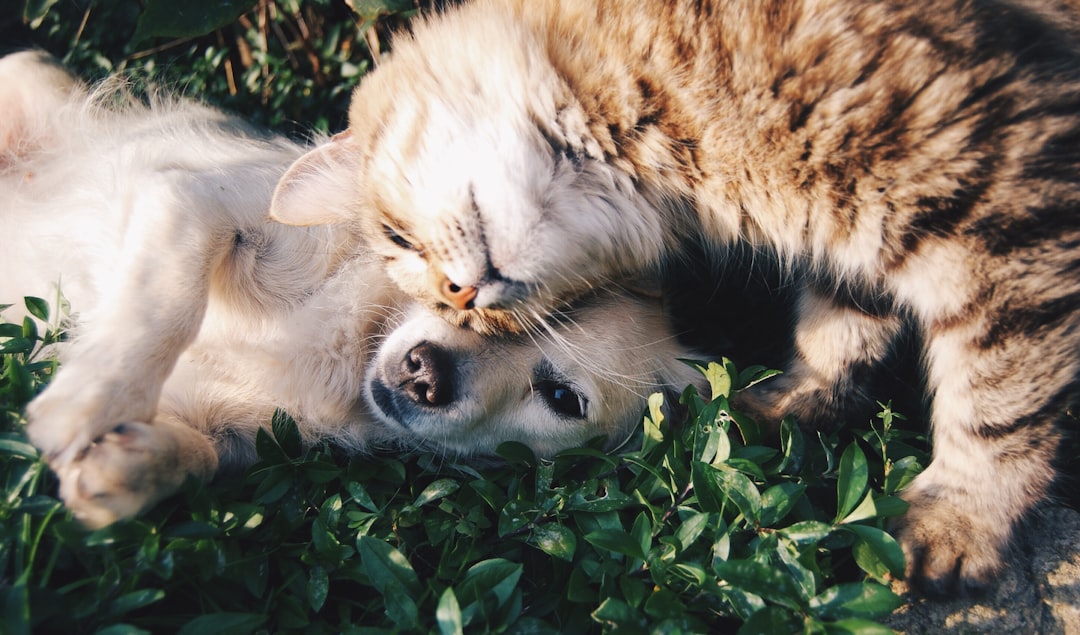
Photo by Krista Mangulsone on Unsplash
The Guinea Pig Sound Symphony Nobody Warned You About
The first time my friend Sarah brought home her guinea pig, Butterscotch, she lasted exactly four days before texting me in panic: "Why won't it stop screaming? I think I'm doing something wrong." Here's the thing—she wasn't doing anything wrong. Butterscotch was just being a guinea pig, and guinea pigs are basically tiny, furred opera singers with a lot to say.
Guinea pigs have a vocal repertoire that would make a parrot jealous. They communicate through squeaks, chirps, whines, purrs, and a sound called "wheeking" that sounds like someone's strangling a toy. Each noise means something different, and once you learn the language, your guinea pig starts to feel less like a mysterious screaming potato and more like an actual pet with opinions about your life choices.
The reality is that guinea pigs are highly social animals. Unlike hamsters, which are basically antisocial loners, guinea pigs evolved in herds and maintain that need for communication. A study from the University of São Paulo found that guinea pigs use at least 11 distinct vocalizations, each serving a specific purpose. They're not screaming to annoy you at 6 AM. They're probably just very excited about breakfast.
The Wheeking Phenomenon: When Your Guinea Pig Becomes a Broken Whistle
Let's talk about wheeking because it's the most dramatic and noticeable sound your guinea pig will make, and it will make you question your life decisions. Wheeking sounds like a high-pitched, repeated "weep-weep-weep" and it's usually a sign of pure, unbridled excitement. Your guinea pig wheels (no pun intended) out this sound when they see you approaching with food, when they hear the crinkle of a vegetable bag, or sometimes just because they remembered that lettuce exists.
The wheeking sound can be surprisingly loud for such a small animal. I've had neighbors ask if someone was injured in my apartment, only to discover it was just my guinea pig announcing that dinner time was approaching. One guinea pig owner on Reddit reported that her pet's wheeking was so enthusiastic that she had to warn guests before they arrived, or risk them thinking she was keeping a distressed animal.
Here's what's interesting: guinea pigs don't all wheek the same way. Some have high-pitched, rapid-fire squeaks, while others do slower, deeper wheeking. It's genuinely like they have different accents. After a few weeks, you'll start recognizing your specific guinea pig's wheeking pattern and you'll actually feel oddly proud about it. Yes, you're now an expert in guinea pig acoustics. No, this will not come up at dinner parties.
The Silent Communications: When Your Guinea Pig Says Nothing at All
Not all guinea pig communication is noise-based, and this is where it gets genuinely interesting. A purring guinea pig—and yes, they purr like cats—is content and happy. A chattering guinea pig is grinding their teeth, which can mean either contentment or stress depending on context. A guinea pig that runs in circles and bounces straight into the air (called "popcorning") is so happy they literally cannot contain themselves.
On the flip side, silence can be bad. A guinea pig that's been loud and is suddenly quiet might be sick. A guinea pig that hides in the back of their cage and barely moves could be stressed or unwell. The shift from normal behavior to unusual silence is actually one of the most reliable health indicators you have.
Body language matters too. A guinea pig with ears pinned back is scared or uncomfortable. A guinea pig standing on their back legs is curious about something. A guinea pig slowly approaching your hand with little chirps is likely greeting you or asking for attention. If you want to really understand what's happening, you need to watch the whole animal, not just listen to the noise.
Common Vocalizations and What They Actually Mean
Let's break down the greatest hits of guinea pig sounds so you can finally stop guessing:
The Wheek: Excitement about food, attention, or life in general. The volume and frequency increase if they're really excited.
The Squeak: A shorter, less repetitive squeak usually means they want your attention or they're asking for something. Think of it like a polite knock on your door.
The Chirp: Often a greeting, especially if your guinea pig makes this sound when they first see you. It's adorable and you'll probably melt every time.
The Purr: Deep, rumbling sound means contentment. Many guinea pigs make this when you pet them, though some do it when stressed (yes, guinea pigs are as confusing as cats).
The Whine: A more prolonged, mournful sound indicating distress, discomfort, or unhappiness about something.
The Cackle: Sounds like a chattering, cackling laugh. Usually means they're annoyed or feeling territorial.
Understanding these sounds is genuinely life-changing. Sarah, the friend I mentioned earlier, now knows that Butterscotch's morning wheeking isn't a cry for help—it's a demand for breakfast. Once she reframed the sound as enthusiasm rather than distress, her entire relationship with the guinea pig improved.
Making Peace With the Noise
Here's the uncomfortable truth: if you get a guinea pig, you're getting the noise. These animals are vocal by nature, and no amount of training will make them quiet. What will happen is that your tolerance for squeaking will increase dramatically and you might find yourself defending guinea pig screaming to people who don't understand.
The key is meeting their social and physical needs. Bored, lonely guinea pigs are loud guinea pigs. Guinea pigs with a friend (yes, they should ideally be kept in pairs or groups) are more content and actually vocalize less because they're entertaining each other. A guinea pig with adequate space, enrichment, and attention is going to have a much healthier vocal life than one stuck in a tiny cage with nothing to do.
If you're a light sleeper, house your guinea pigs in a room you don't sleep in. If you live in an apartment, warn your neighbors preemptively—most people understand once they know what the noise actually is. And if you genuinely cannot handle the sound, maybe don't get a guinea pig. They deserve an owner who doesn't see their personality as a problem.
Once you stop fighting against their nature and start understanding their language, guinea pigs become legitimately entertaining pets. They're funny, they're communicative, and they have actual personalities that shine through their squeaking. Sure, they'll probably scream when they see you. But now you'll know they're screaming because they're happy to see you.
For more insight into pet behavior and communication, check out Why Your Cat Ignores You (And What Science Says About Feline Loyalty) to see how different pets express themselves.
Comments (0)
No comments yet. Be the first to share your thoughts!
Sign in to join the conversation.