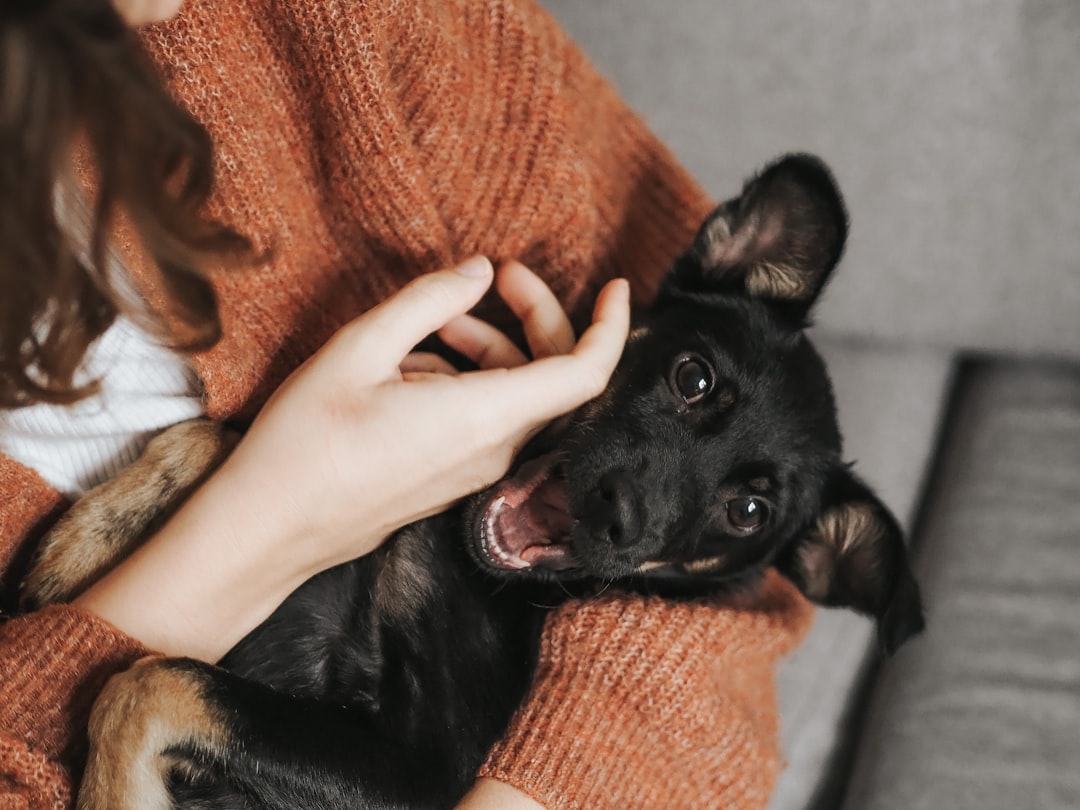
Photo by Veronika Jorjobert on Unsplash
Your golden retriever walks past her full bowl for the third time today. No sniffing. No interest. Just a sigh and a retreat to her bed. If you're anything like most dog parents, you've probably spiraled into panic mode by now, Googling symptoms at midnight and catastrophizing everything from dental disease to mysterious infections.
Here's the thing though: not every skipped meal is a five-alarm fire. But not every one is harmless either. The tricky part is knowing which is which.
The Difference Between Picky and Problematic
Let's start with some good news. Dogs are remarkably good at self-regulation when it comes to food intake. Unlike humans, they don't generally eat out of boredom or emotion (well, some do, but that's another story). So when a dog refuses to eat, there's usually a legitimate reason behind it.
The key question is whether your dog is simply being selective or whether something's actually wrong. A dog who refuses breakfast but gobbles up treats? That's pickiness talking. A dog who won't touch anything—not kibble, not treats, not even that tempting piece of chicken you're waving around? That's your sign to pay closer attention.
One of the most common culprits is actually behavioral. If your dog has always been a reliable eater and suddenly stops, consider what changed. Did you switch food brands? Introduce a new family member? Rearrange where you feed her? Dogs are creatures of habit, and even small environmental shifts can throw them off their eating routine.
The Medical Red Flags You Can't Ignore
Here's where I need to be direct: loss of appetite in dogs can signal something serious. Dental disease, gastrointestinal issues, infections, metabolic problems—the list is long enough that you shouldn't ignore sustained appetite loss.
So what qualifies as "sustained"? If your dog skips one meal, keep watching. If she skips two meals in a row, that's when you should call your vet. If she skips meals for more than 24 hours total, you need a vet appointment soon—not eventually, but within the next day or so. For puppies and senior dogs, this timeline gets even tighter. Their bodies have less margin for error.
Pay attention to the whole picture, not just the food refusal. Is she acting normally otherwise, or does she seem lethargic? Is she drinking water? Any vomiting, diarrhea, or unusual behavior? Are her gums pale? These details matter enormously to your vet and help narrow down what's happening.
One particularly sneaky condition is pancreatitis, which can cause sudden appetite loss along with abdominal pain. Another is bloat (gastric dilatation-volvulus), which is a genuine emergency and can kill a dog within hours if untreated. I'm not mentioning these to terrify you, but to emphasize: if your dog is uncomfortable-looking along with not eating, get to an emergency vet immediately.
When It's Really Just Being Difficult About Food
Sometimes appetite loss is about stubbornness. I once met a Shih Tzu who decided she was only interested in human food. Her owner had accidentally created the problem by offering table scraps, and suddenly kibble became offensive to her refined palate. The solution involved patience and consistent feeding boundaries—no treats, no exceptions, until she decided kibble was acceptable again. It took three days of her essentially fasting, which felt like an eternity to her worried owner, but eventually hunger won out.
This is where you need restraint as a pet parent. When your dog won't eat, the impulse is to offer something "better" to coax them into eating. Don't do this. You're teaching your dog that holding out gets rewards. Instead, offer her meal, leave it down for 15 minutes, then pick it up. No snacking, no negotiations. Her next chance to eat is her next scheduled meal time.
Also worth considering: if you've recently switched foods, you might not have done it gradually enough. Dogs' digestive systems need time to adjust, and jumping from one food to another cold-turkey can cause appetite issues, not to mention GI upset. The standard recommendation is a 7-10 day transition period, mixing increasing amounts of new food with decreasing amounts of old food.
The Stress and Change Factor
Here's something I see all the time that surprises owners: dogs can genuinely lose their appetite due to stress. A new home, a new dog, a thunderstorm, a change in routine—these things can suppress a dog's appetite temporarily. It's not imaginary. Stress actually affects their digestive system and can shut down hunger signals.
If you suspect stress is the culprit, create a calm environment. Keep routines consistent. Give her a quiet space where she feels safe. Sometimes just time and reassurance are enough to get her eating normally again.
What to Do Right Now
If your dog has skipped more than one meal, here's your action plan: First, schedule a vet appointment if it's been more than 24 hours of food refusal. Second, document what you've observed—how many meals, any other symptoms, when the problem started, any recent changes. Third, don't panic-feed her special foods or treats. Let your vet rule out medical issues before you assume this is behavioral.
And if you're worried about behavioral feeding issues in general, like if your dog is being oddly picky about her regular meals, remember that sometimes pets refuse to do things because of their environment—food pickiness can work similarly to other behavioral issues.
The bottom line? Trust your instincts. If something feels wrong, it probably is. If your dog seems fine otherwise and just skipped a meal, give it 24 hours of observation. But if you're unsure, there's no harm in calling your vet for guidance. They'd rather hear from a cautious owner than have a dog suffer from a delayed diagnosis.
Comments (0)
No comments yet. Be the first to share your thoughts!
Sign in to join the conversation.