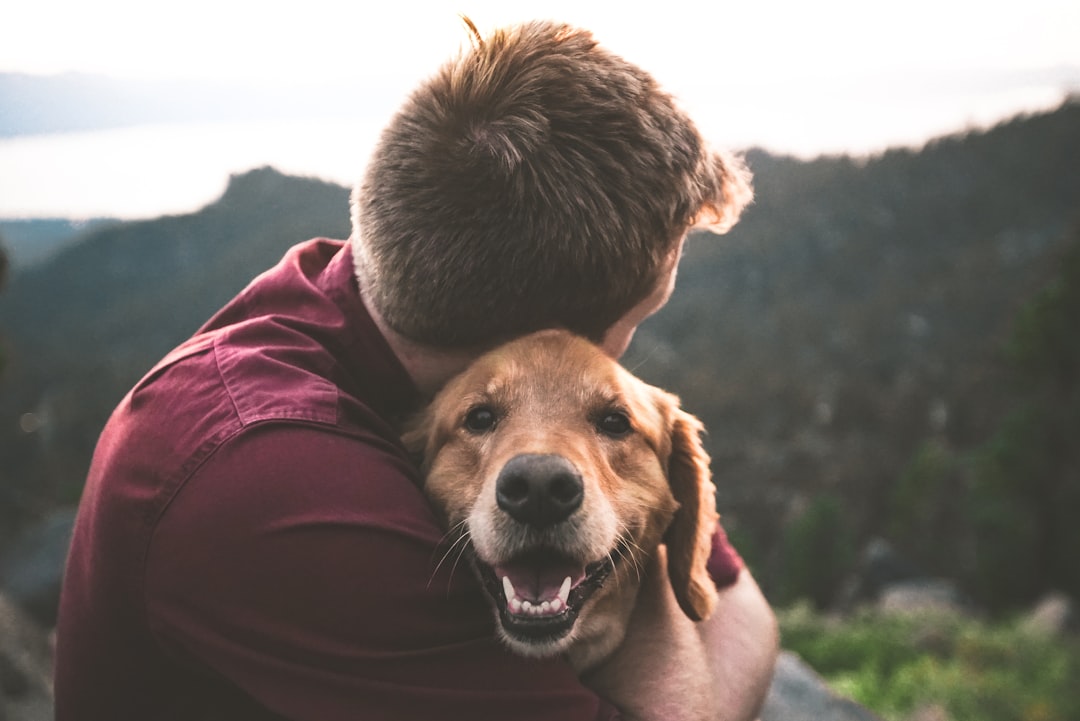
Photo by Eric Ward on Unsplash
It's 6 PM, your dog's dinner will be served in an hour, and the forecast shows a light drizzle for the next thirty minutes. You clip on the leash with optimism. Your dog takes one look at the damp driveway and plants himself firmly on the welcome mat like a furry statue. Sound familiar?
This scenario plays out millions of times daily in households across the country. Dogs mysteriously transform from enthusiastic walkers into immovable objects the moment raindrops fall. But unlike the cartoon image of a stubborn pup, there are actual neurological, sensory, and learned reasons behind this behavior. Understanding them might finally crack the code on getting your reluctant water-avoider outside.
The Sensory Overload Theory
Your dog's hearing is approximately four times more sensitive than yours. That gentle patter you find soothing? To them, it's more like someone tapping on a microphone near their ear repeatedly. Rain doesn't just fall on them—it creates a constant sensory bombardment they can't escape.
Dr. Karen Overall, a certified animal behaviorist, notes that this sensitivity varies dramatically by breed. Herding dogs, bred for centuries to react instantly to environmental changes, tend to be more affected. A Border Collie might genuinely feel like the rain is chaos they need to control. Meanwhile, water-loving Labradors and Portuguese Water Dogs were literally bred to jump into cold, wet conditions, so their sensory experience of rain registers completely differently in their brains.
There's also the texture component. Rain changes how the ground feels. Wet grass, muddy patches, and slick pavement become unpredictable. Older dogs or those with joint issues find the cold particularly uncomfortable. A twelve-year-old German Shepherd experiencing early arthritis might genuinely hurt when their joints hit the temperature drop that comes with rain.
The Learned Behavior Problem
Here's where you might have accidentally trained your dog to hate rain: Do you pull harder when they resist? Do you say "come on, it's just water" in a frustrated tone? Do you eventually turn back and let them win?
Dogs are brilliant at reading cause and effect. If refusing to walk equals staying home, they'll refuse every single time. This becomes especially problematic when weather resistance starts young. A puppy who gets rained on once without positive reinforcement learns that rain equals "no walk." By the time they're two years old, you've got a deeply ingrained pattern that's genuinely challenging to reverse.
I spoke with Marcus Chen, a dog trainer in Portland (where rain is basically a lifestyle), who shared that about 60% of the rain-phobic dogs he works with developed the behavior between six months and eighteen months old. The youngest ages have the most plastic brains, but also the most limited weather experience. One bad rainy walk experience can stick for years.
The Health and Comfort Factor
Not every rain-resistant dog has a psychological issue. Sometimes it's just... cold. Rain temperature drops can feel shocking to a dog with a thin coat. Chihuahuas, Italian Greyhounds, and other small-breed dogs lose heat rapidly. A Greyhound's thin skin and minimal body fat mean they're genuinely uncomfortable in ways a Golden Retriever simply isn't.
Wet fur also creates a real discomfort problem. When water sits in a dog's coat, it retains cold and stays there for hours. Dogs with curly or double coats (Poodles, Doodles, Corgis) experience this differently than short-haired breeds. A Doodle's curly coat holds moisture like a sponge, making them genuinely miserable until they're completely dry.
Then there's the post-walk cleanup factor that dogs somehow understand. They know that rain walk equals toweling down, potentially ear cleaning (if they're prone to infections), and general disruption. It's not that they're lazy—they're pattern-recognizing creatures who've learned what rain means operationally.
What Actually Works (Besides Bribery)
If you've tried the obvious solutions and your dog still refuses, consider these evidence-based approaches. First, invest in a proper dog raincoat. Not for cuteness—for actual comfort. A well-fitted coat with a hood covers their back, chest, and rear end. It's the difference between a rain jacket and an umbrella for you. Your dog stays warmer and drier, which genuinely changes their perception of rain walks.
Second, reframe rain walks as positive experiences. This requires patience. Start with short, heavily-rewarded exposures. Five minutes of rain walk followed by a favorite treat. Build this slowly. Karen Overall's research shows that positive associations with rain can be created in as little as two to three weeks with consistent reinforcement, but only if you never force the issue during early retraining.
Third, consider the timing. Walk earlier in the day when rain is less intense. A light drizzle is way different from a downpour. Your dog might have zero problem with mist but refuse actual rainfall.
Fourth, examine whether this is actually a problem for your specific dog's life. If you live somewhere with a yard and you have the flexibility to walk during dry hours, forcing a rain-phobic dog might not be worth the stress. Some dogs are just rain-averse, and that's okay. Not every behavioral quirk needs fixing. As long as your dog gets adequate exercise through alternative routes, this might just be who they are.
Finally, if your rain resistance developed suddenly, rule out pain. A dog who previously walked fine in rain but recently stopped might have joint issues, skin problems, or ear infections that make rain uncomfortable. A quick vet visit could save months of failed training.
The Reality Check
Some dogs simply love water. Others tolerate it. And some would genuinely rather hold their bladder than step into precipitation. This isn't stubbornness—it's neurology, breeding, and history. Your rain-resistant dog isn't being difficult to annoy you. They're experiencing a situation that genuinely feels unpleasant.
The good news? Understanding the why makes the solution clear. Whether you're dealing with sensory sensitivity, learned behavior, or legitimate discomfort, each has a different approach. Your job is figuring out which category applies to your specific dog, then working within their reality rather than fighting it. That's what actual dog training is—meeting your animal where they are, not where you wish they'd be.
If you're interested in understanding other mysterious dog behaviors, check out our companion piece on animal behavior patterns that breaks down the science behind seemingly random pet quirks.
Comments (0)
No comments yet. Be the first to share your thoughts!
Sign in to join the conversation.