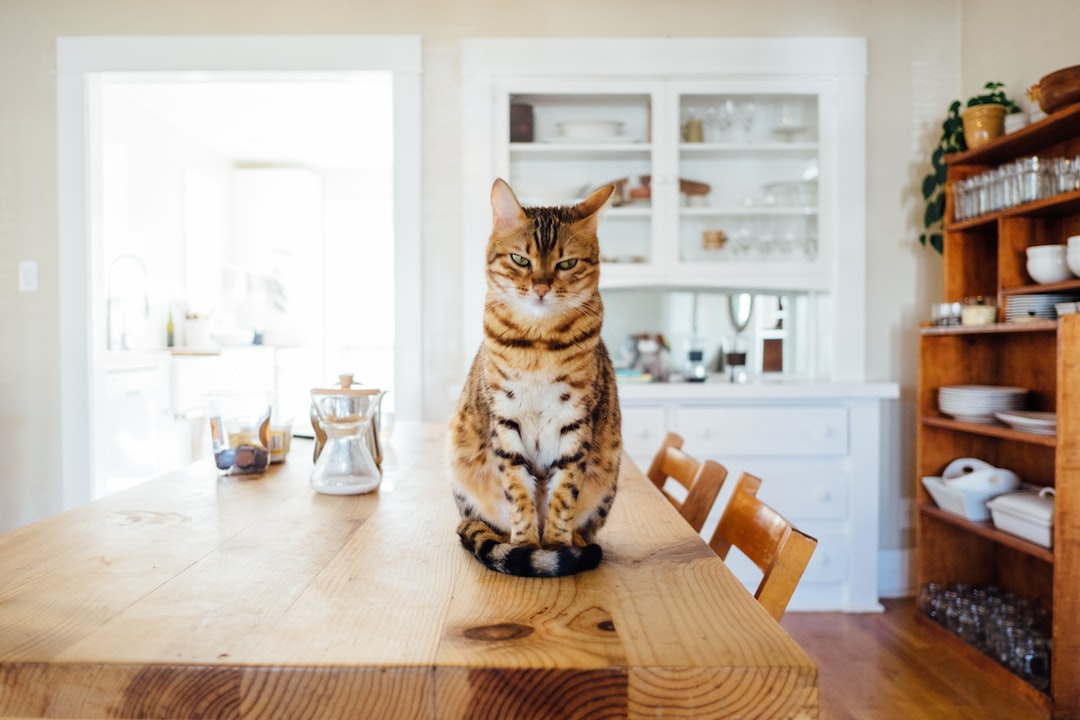
Photo by Paul Hanaoka on Unsplash
Last Tuesday, my friend Sarah found cat urine on her white living room rug for the third time that week. Her three-year-old tabby, Muffin, had been using the litter box perfectly for years. Now, suddenly, the carpet was becoming a bathroom.
"She's being spiteful," Sarah said, exasperated. I understood the frustration, but I also knew better. Cats aren't spiteful. They're communicating something is wrong, and the problem usually has nothing to do with attitude.
Medical Issues Are Often the Culprit
Before assuming behavioral problems, your vet needs to rule out health issues. This is non-negotiable. Urinary tract infections, kidney disease, diabetes, and hyperthyroidism can all cause litter box avoidance. When my neighbor's elderly Persian started eliminating outside the box, a UTI was the reason. One course of antibiotics fixed the problem entirely.
The statistics are telling: roughly 10-15% of cats will experience a urinary tract issue at some point in their lives. If your cat suddenly changes bathroom habits, schedule a vet visit before trying anything else. Catching conditions early matters tremendously for your cat's health and your sanity.
One thing I learned: always get a urinalysis, not just a basic exam. Some infections don't show obvious symptoms beyond behavioral changes.
The Litter Box Itself Might Be the Problem
Here's something most people don't realize: cats are pickier about their bathrooms than we are. The box size, litter type, location, and cleanliness all matter intensely.
Size is huge. Your litter box should be 1.5 times the length of your cat's body. If you're using a small, covered box for a large cat, that's your first problem. Imagine using a bathroom so cramped you can barely turn around—you'd avoid it too.
The litter itself deserves attention. If you recently switched brands, that could be the issue. I switched my cat to a "premium" litter once because it was less dusty. He immediately started going on the tile floor. I switched back, problem solved. Some cats are particular about texture, scent, and dust levels. Experiment gradually if you need to change brands—mix new litter with old for at least a week.
Cleanliness matters obsessively to cats. Most veterinarians recommend scooping twice daily and doing a full litter change weekly. A box that smells overwhelmingly of waste doesn't appeal to anyone. And yes, cats can be pickier about this than you'd expect.
Location and Competition Create Real Problems
Where you place the litter box matters more than most people think. A box crammed in a basement corner next to the furnace isn't ideal. Neither is one directly next to the food and water bowls. Cats don't want to eliminate where they eat.
If you have multiple cats, this becomes critical. The general rule is one box per cat, plus one extra. This matters because cats can guard litter boxes territorially. I once helped a family with two cats who were constantly fighting—not at the box, but everywhere else. They had one box. Adding a second box in a different area of the house completely changed the dynamic.
Stress also plays a role. New pets, moved furniture, or changes in household routine can trigger litter box avoidance. Cats value consistency and control over their environment. When things feel chaotic, they might resort to marking territory by eliminating outside the box.
Simple Fixes That Actually Work
Start with these practical steps. First, ensure the box is large enough and clean. Second, add an additional box if you have multiple cats. Third, place boxes in accessible, quiet locations away from food and water.
If your cat is elderly, consider boxes with low sides for easier entry and exit. Arthritis and mobility issues affect litter box usage more than people realize.
For cats that have been eliminating in specific spots on carpet, enzyme-based cleaners are essential. Regular cleaners don't break down the odor completely, so cats smell their previous spots and return to them. It's like having phantom charges on your account—something invisible keeps pulling you back. Speaking of persistent, unwanted charges, if you're dealing with phantom charges from subscriptions, that frustration is real too, though at least those are easier to stop than behavioral issues.
Finally, consider Feliway diffusers. These plug-in devices release synthetic cat pheromones that create a calming environment. They're not miracle workers, but they can reduce stress-related avoidance behaviors.
When to Call in a Behaviorist
If you've addressed health, box cleanliness, number, and placement but the problem persists, consult a feline behaviorist. These specialists aren't the same as regular vets, and they bring specialized training to behavioral issues.
Sarah eventually took Muffin to a behaviorist. Turns out, a combination of a slightly undersized box and stress from construction noise next door was creating the problem. New box, strategic placement change, and a Feliway diffuser solved it within two weeks.
Litter box avoidance is fixable. It just requires patience and detective work. Your cat isn't being difficult—they're communicating. Listen, and you'll usually find the answer.
Comments (0)
No comments yet. Be the first to share your thoughts!
Sign in to join the conversation.