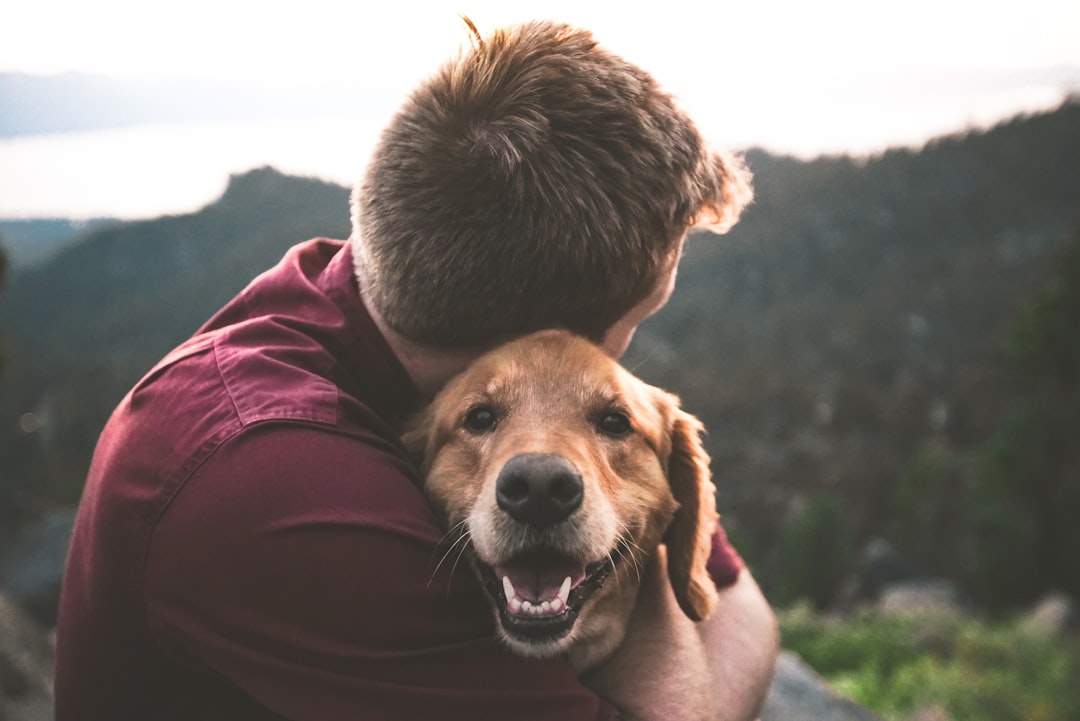
Photo by Eric Ward on Unsplash
The first time my friend Sarah brought home a guinea pig, she thought something was desperately wrong. The little brown fluffball wouldn't stop squeaking. Was it sick? Injured? Lonely? She called the vet in a panic, only to hear the vet laugh on the other end of the line. "Your guinea pig is happy," the vet said. "That's just how they talk."
This moment perfectly captures why guinea pigs confuse so many new owners. These small rodents are far more vocal than their cousins—hamsters, gerbils, or mice—and they have a genuinely sophisticated communication system that's easy to misinterpret if you don't know what you're listening for. Understanding guinea pig vocalizations isn't just about decoding cute sounds; it's about ensuring your pet's emotional and physical wellbeing.
The Guinea Pig Sound Guide: What All That Noise Actually Means
Guinea pigs produce roughly twelve distinct vocalizations, each carrying different meanings. The most common sound you'll hear is the "wheek"—a high-pitched, repetitive chirp that sounds like someone squeaking a toy. This is guinea pig for "Hey! I know you!" Most owners hear this when they come home from work or approach the cage with food. It's not distress; it's excitement and recognition.
Then there's the purr, which sounds exactly like a cat's purr but serves a slightly different purpose. A guinea pig will purr when it's being petted and content, but here's where it gets interesting: they'll also purr when they're mildly annoyed or want you to stop what you're doing. The context matters enormously. A relaxed guinea pig with half-closed eyes purring while you stroke its head? That's pure contentment. A guinea pig purring while backing away from you? That's a polite but firm "personal space, please."
The chutting sound—a rapid, rhythmic chattering—often concerns new owners because it sounds vaguely aggressive. But guinea pigs chut when they're exploring, moving around their cage with purpose, or feeling confident about their environment. Think of it as their way of humming while they work. You'll frequently hear chutting when your guinea pig is rearranging bedding or investigating a new toy.
More serious vocalizations include the "tweet," a single loud chirp that usually indicates alarm, and the "whimper," which suggests pain or significant distress. If your guinea pig is making constant whimpering sounds, especially combined with lethargy or loss of appetite, a vet visit is warranted. Guinea pigs are prey animals in the wild, so they're naturally inclined to hide illness, which means when they vocalize discomfort, something genuinely needs attention.
Why Guinea Pigs Are Nature's Chatty Cathys
Unlike most small rodents, guinea pigs are highly social animals. They evolved in South American grasslands living in groups, which meant communication wasn't optional—it was essential for survival. A solitary guinea pig in nature wouldn't last long, so these animals developed rich vocal communication to coordinate with their herd.
This social nature has a practical implication for pet owners: guinea pigs genuinely benefit from living with at least one other guinea pig. The American Cavy Breeders Association recommends that guinea pigs living in captivity should ideally have a companion. Now, here's the nuance—you can't just throw two random guinea pigs together. Same-sex guinea pigs who have grown up together generally work out fine, but introducing an adult guinea pig to another adult is tricky and requires careful introduction. Many shelters and rescues can help match compatible pigs, and if you adopt from a rescue, you might find bonded pairs already available for adoption.
Single guinea pigs who don't have a companion pig will vocalize more to their human owners because they're attempting to fill that social need. This is why Sarah's guinea pig wouldn't stop squeaking—he was lonely and trying to communicate with the only social partner available: her. Once she introduced a second guinea pig (a process that took two weeks of careful introduction), both pigs became noticeably quieter because they had each other.
Reading the Room: Guinea Pig Body Language and Vocalization
Sounds alone don't tell the whole story. The best guinea pig owners learn to read the combination of vocalizations and body language. A wheaking guinea pig that's running toward you with relaxed posture is celebrating your arrival. A wheaking guinea pig that's standing on its hind legs, stiff and alert, might be signaling alarm about something in the room.
Popcorning—when a guinea pig literally jumps straight up in the air repeatedly—usually accompanies happy squeaking. This is pure joy, often seen when you introduce a new toy or when a guinea pig gets to play in a larger space. The less common "rumbling" is a low-frequency sound that vibrates through their body; dominant guinea pigs rumble at submissive ones, and sometimes pigs rumble at their humans as a territorial assertion (don't take it personally).
If you want to really understand your guinea pig's emotional state, watch their ears too. Relaxed ears point backward slightly; alert ears point forward. Scared guinea pigs flatten their ears against their head. A guinea pig's nose position, tail height, and whether they're making eye contact all add layers of meaning to their vocalizations. It's genuinely remarkable how much information these small animals communicate if you take time to observe them.
Creating a Guinea Pig Environment That Encourages Healthy Communication
Understanding guinea pig sounds is half the battle; the other half is giving them an environment where healthy communication can happen. Guinea pigs need substantially more space than most people realize. The bare minimum recommendation from veterinarians is 7.5 square feet per pig, but 10.5 square feet per pig is far better. More space means less frustration-based vocalization and more opportunity for natural behaviors like running, hiding, and exploring.
Enrichment matters enormously. Guinea pigs housed in barren cages become anxious and vocal in unhealthy ways. They need hideouts (guinea pigs have a strong need to feel secure), platforms for climbing, tunnels, and a variety of safe materials to chew and rearrange. The chutting you hear when they're rearranging bedding? That's a contented guinea pig engaged in meaningful activity.
If you're considering getting guinea pigs, also consider adopting from a rescue rather than a pet store. The Guinea Pig Bridge and local guinea pig rescues often have guinea pigs available, including bonded pairs, and rescue staff can tell you about each pig's personality and vocalization patterns. They can match you with a pig whose communication style aligns with your lifestyle. Some people genuinely enjoy the chattiness of a guinea pig with a big personality; others prefer quieter, more reserved pigs.
Finally, if your guinea pig's vocalization patterns suddenly change, don't ignore it. A normally talkative guinea pig going silent could indicate illness. Conversely, a normally quiet guinea pig becoming exceptionally vocal might need a companion or more enrichment. These sounds are your guinea pig's only way to communicate with you, so learning to listen properly isn't just about enjoying cute noises—it's fundamental care.
The beautiful thing about guinea pig ownership is that once you crack the code of their communication system, you develop a real relationship with your pet. You're not just hearing squeaks anymore; you're hearing an actual conversation. And that changes everything about how you interact with these surprisingly expressive little animals. For more insights into understanding small pet behavior, check out The Rabbit Whisperer's Guide to learn how other small pets communicate their emotions.
Comments (0)
No comments yet. Be the first to share your thoughts!
Sign in to join the conversation.