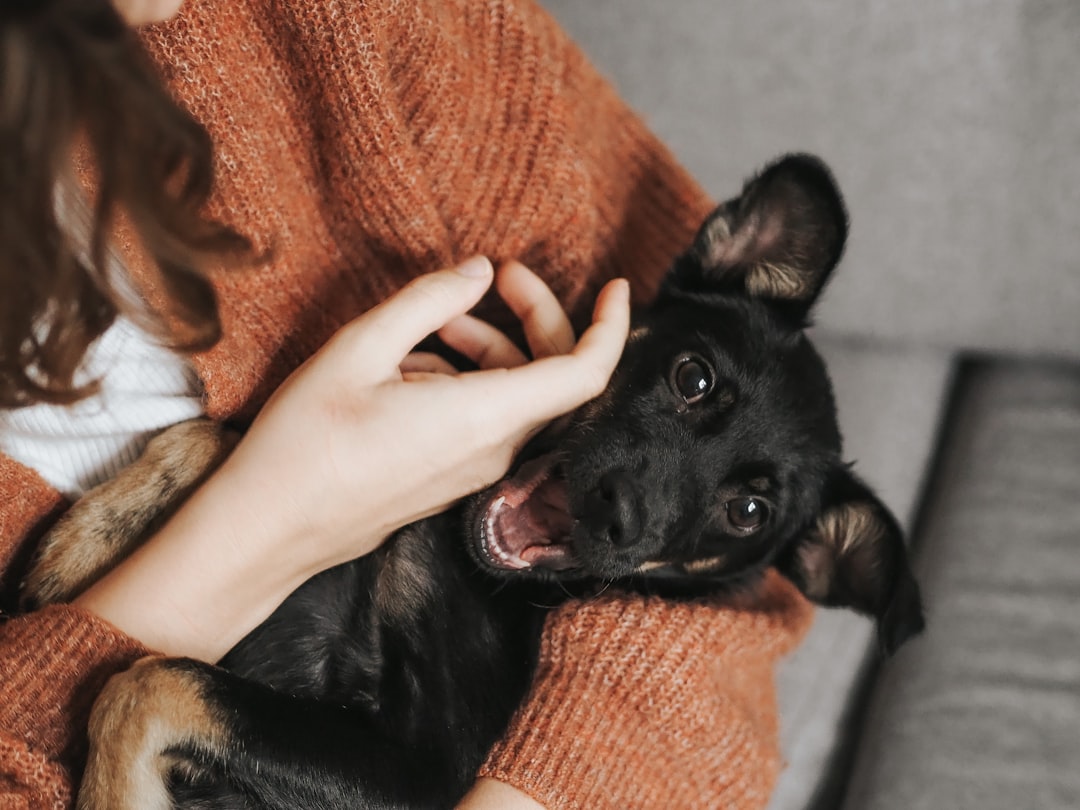
Photo by Veronika Jorjobert on Unsplash
Most rabbit owners never think about their pet's teeth until something goes catastrophically wrong. Then comes the emergency vet visit, the shocking bill, and the heartbreaking realization that this could have been prevented. I learned this the hard way when my Holland Lop, Pepper, stopped eating overnight. What I discovered in that vet's office changed how I understood rabbit health forever.
The Endless Growth Problem Nobody Talks About
Here's something that might shock you: rabbit teeth never stop growing. Ever. Unlike human teeth that reach their final size and stay put, rabbits' incisors grow continuously throughout their entire lives—roughly 2-3 millimeters per week. Their molars do the same thing, just less visibly since they're hidden in the back of the mouth. This isn't a design flaw. It's actually brilliant evolutionary engineering. Wild rabbits grind down their teeth naturally through constant chewing on tough vegetation, tree bark, and roots. In captivity, though, this system breaks down spectacularly.
When I picked up Pepper from the vet that day, the dental radiographs showed something I hadn't anticipated: her molars had overgrown so severely they were pressing against her jaw bone. The x-rays looked like a crowded parking garage with teeth stacked on top of each other at odd angles. The vet explained that this condition—called malocclusion—is the leading cause of death in captive rabbits after cancer. It's not dramatic. It's just slow, painful, and preventable.
Reading Your Rabbit's Dental Red Flags
The tricky part about rabbit teeth is that problems often hide until they've become serious. Rabbits are prey animals. Showing weakness is literally a survival risk, so they mask pain like professionals. You need to become a detective, watching for subtle signs that something's off.
Excessive drooling is one of the earliest warnings. If your rabbit's chin feels perpetually damp or you notice wet fur around the mouth, that's your signal. It usually means the teeth are misaligned and preventing food from being swallowed properly. Another red flag is the sudden shift from eating hay to preferring softer pellets. Yes, I know it seems like your rabbit is just being picky. But when a rabbit actively avoids hay—their most important food—something is wrong. Hay creates the friction and grinding action that keeps teeth trimmed naturally. If your rabbit stops eating it, dental disease is almost certainly lurking.
Bad breath that goes beyond the normal hay smell is another clue. I'm not talking about the slightly sweet, grass-like scent that's normal. I'm talking about actually foul odor coming from the mouth. That suggests bacterial infection or abscesses forming around the teeth. Weight loss without an obvious cause should also trigger an investigation. A rabbit that's struggling to eat will gradually lose condition, sometimes without any other obvious symptoms.
The Diet Mistake Everyone Makes
Here's where most people go wrong: they don't provide enough hay. I see it constantly. Rabbits get pellets, some vegetables, maybe a handful of hay. It's like feeding a human person a vitamin supplement and wondering why they're malnourished. Hay isn't just food. It's essential dental care, gut movement, and behavioral enrichment all rolled into one.
The right amount of hay for a rabbit is roughly their body size in hay per day. So if your rabbit weighs three pounds, they need roughly three pounds of hay daily. That sounds like a lot until you realize hay is mostly air and water. High-quality timothy hay, orchard grass, or meadow hay provides the exact grinding action rabbits' teeth evolved to handle. Pellets, by contrast, require minimal chewing. They're convenient for owners and unfortunately perfect for allowing dental disease to develop silently.
I switched Pepper to unlimited hay after her dental crisis—something called "free-feeding." She went from eating maybe a cup of hay daily to consuming massive amounts. Within weeks, her dental radiographs showed improvement. The veterinary dentist said her molars were wearing down more evenly. She also dropped back to her ideal weight and became noticeably more energetic.
When Professional Help Becomes Necessary
Even with perfect hay and diet, some rabbits still develop dental problems. Genetics plays a role. Some rabbits are just born with teeth that don't align properly, and no amount of hay will fix that. If you suspect dental disease, your regular vet might not have the specialized knowledge to help. You need a veterinarian with exotic animal experience, preferably someone who's worked extensively with rabbits.
Dental procedures for rabbits are complex because of their anatomy. The procedure requires general anesthesia—which carries higher risks in rabbits than in dogs or cats. During the procedure, the vet uses specialized instruments to carefully file down the overgrown teeth to proper length and alignment. It's not a quick fix. Many rabbits need repeat procedures every few months to a few years, depending on how severe their malocclusion is.
The cost varies wildly. A basic dental workup with radiographs might run $200-400. A full dental procedure can easily exceed $1,000. If your rabbit needs ongoing dental care, you're looking at recurring expenses. This is why prevention through proper diet is so incredibly important.
Building Your Rabbit's Forever-Healthy Mouth
After my experience with Pepper, I became obsessed with understanding rabbit dental health. Here's what actually works: unlimited timothy hay (or a rotation of quality grass hays), a measured amount of pellets (roughly one tablespoon per pound of body weight daily), appropriate vegetables for enrichment, and absolutely no treats that encourage soft eating habits.
Chew toys matter too, but probably not in the way you think. Those colorful wooden toys? Your rabbit doesn't actually chew them much. What they do chew are things like apple wood branches, willow sticks, and untreated wood. Natural, fibrous materials that require genuine grinding. Some rabbits also obsessively chew cardboard, which is actually fine and even beneficial.
Dental care for rabbits isn't glamorous or Instagram-worthy, but it might be the single most important health decision you make for your pet. When Pepper's teeth are healthy, she's healthier overall—better digestion, better weight management, better behavior. When you start viewing your rabbit's teeth as a health indicator rather than just something to worry about, everything changes.
If you want to understand more about hidden behavioral signs of rabbit distress, learning to read what your pets are really trying to tell you becomes essential to their wellbeing.
Comments (0)
No comments yet. Be the first to share your thoughts!
Sign in to join the conversation.