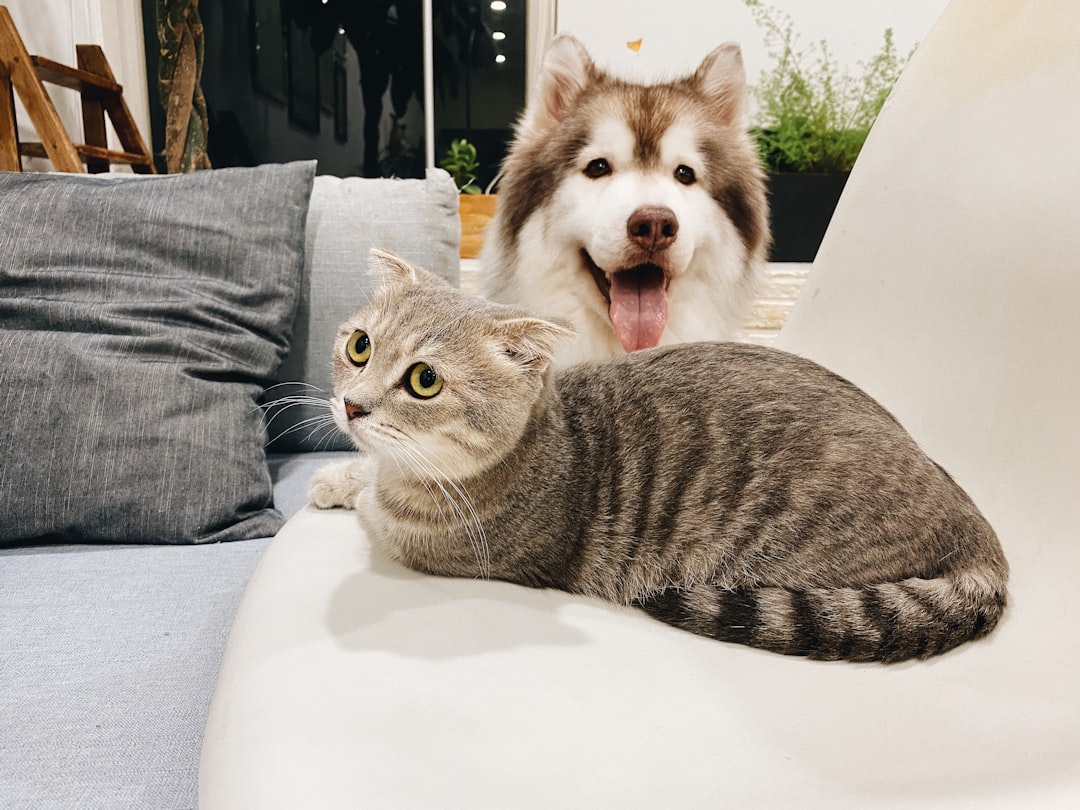
Photo by Tran Mau Tri Tam ✪ on Unsplash
Last summer, my friend Sarah brought home two guinea pigs from the same litter. She named them Pepper and Basil, expecting them to be best friends. Instead, Pepper spent most of his time hiding in the corner of their enclosure, while Basil treated the cage like his personal stage, popcorning around like he'd won the lottery. Sarah was convinced something was wrong. As it turned out, nothing was wrong at all—Pepper was just an introvert.
This realization launched me down a rabbit hole (no pun intended) about guinea pig personalities, and what I discovered surprised me. These adorable furballs aren't just cute fluffballs with identical needs. They're individuals with distinct temperaments that profoundly affect how they interact with their environment, their cage mates, and yes, their humans.
Beyond the Stereotype: Guinea Pigs Aren't All Social Butterflies
Here's what most people believe about guinea pigs: they're herd animals, so they need companions. They're social creatures, so they want constant interaction. They're vocal and playful, so if your guinea pig is quiet and withdrawn, something must be wrong.
Wrong, wrong, and wrong again.
While it's true that guinea pigs benefit from companionship, the extent of their social needs varies dramatically based on individual personality. Dr. Christoph Randler, a behavioral biologist who's studied rodent personalities extensively, found that guinea pigs exhibit what researchers call the "Big Five" personality traits: openness, conscientiousness, extraversion, agreeableness, and neuroticism. Just like humans, some guinea pigs score high on extraversion while others are perfectly content with minimal social interaction.
I spoke with Margaret Chen, a small animal veterinarian in Portland who specializes in guinea pig behavior. She told me she regularly encounters owners stressed about their "antisocial" guinea pigs. "The first thing I ask is: is your guinea pig healthy? Are they eating well? Using the bathroom normally?" Margaret explained. "If the answer is yes to all of those questions, your guinea pig probably isn't broken. They're just introverted. And that's perfectly normal."
Reading the Signs: What Your Guinea Pig's Personality Really Is
So how do you figure out if you've got an extrovert or an introvert on your hands? The clues are actually pretty obvious once you know what to look for.
Extroverted guinea pigs are the show-offs. They're the ones who run laps around their cage for no apparent reason, wheek loudly when they hear the refrigerator door open, and come rushing to investigate every new sound. They actively seek out human interaction, often standing on their hind legs to greet you, and they tend to be the dominant personality in multi-pig households. These are your classic "cute guinea pig" stereotypes—the ones that make their way into viral TikTok videos.
Introverted guinea pigs? They're the thinkers. They prefer observing from safe spaces rather than being in the center of the action. They might wheek quietly instead of loudly, hide when new people visit, and need significantly more time to warm up to handling. But here's the key thing: they're not necessarily unhappy. Many introverted guinea pigs are deeply content in their own company, and they show affection on their own terms—a gentle nose nudge, sitting near you without touching, or coming out to eat treats while you're nearby but not pushing interaction.
There's also a middle-ground personality type: the cautious extravert. These guinea pigs want to be social, but they're nervous about it. They might run away at first, then slowly approach you over several minutes. They enjoy companionship but need it served with a side of reassurance.
Why This Actually Matters for Your Guinea Pig's Wellbeing
Understanding your guinea pig's personality type isn't just cute knowledge to share at dinner parties. It directly impacts whether your pet thrives or merely survives.
Take cage setup, for instance. An extroverted guinea pig might appreciate an open-concept enclosure where they can see everything and be near you. An introverted guinea pig needs multiple hideouts, elevated spaces, and areas where they can observe without being observed. Ignore your pig's personality, and you'll have a stressed animal. Stressed animals get sick more frequently, eat less, and live shorter lives.
The same applies to handling. Many owners assume their guinea pig should enjoy being held because "that's what guinea pigs do." But an introverted guinea pig forced into excessive handling becomes anxious. Over time, this anxiety can trigger serious health issues, from digestive problems to compromised immune function. Margaret shared a case study: "I had a client with an introverted guinea pig who insisted on daily 20-minute handling sessions because she'd read that was 'best.' The pig developed severe stress-related diarrhea. Once we reduced handling to twice weekly, five-minute sessions of just sitting near the pig, her health completely turned around."
Companionship follows the same logic. Extroverted guinea pigs often genuinely benefit from having a friend. Introverted guinea pigs might be perfectly happy solo—or, they might tolerate a compatible companion but not actually want one. Some of the happiest guinea pigs I've heard about live in single-pig households where their owners respect their need for solitude.
Creating a Life That Matches Your Pig's Personality
Once you've figured out your guinea pig's personality type, here's how to set them up for actual happiness (not Instagram-famous cuteness, but real contentment).
For extroverts: lean into it. Provide toys that encourage activity, consider a larger cage space that allows for running room, and engage with them regularly. These pigs often enjoy scheduled playtime outside the cage, supervised floor time, and even learning to come when called. They're your interactive pets, and they want to be.
For introverts: create spaces that feel safe. A guinea pig that can hide is a guinea pig that feels secure enough to come out and participate in life on their own terms. Provide multiple hideouts, darker corners, and respect when they choose not to interact. You can still bond with an introverted guinea pig—just do it at their pace. Sometimes the best relationship is one where you're simply coexisting quietly in the same space.
For the cautious extravert: patience is everything. Don't push. Let them approach you. Hand-feed treats. Sit near the cage without trying to touch them. Eventually, they'll build trust, but forcing it backfires every time.
The Bottom Line: Your Guinea Pig Isn't Broken, You Just Haven't Met Them Yet
Sarah eventually figured out that Pepper wasn't damaged—he was just a homebody. She adjusted her expectations, stopped trying to force him into playtime, and instead set up his half of the cage with extra hideouts and quiet spaces. Within weeks, Pepper started coming out more, not because she'd forced it, but because he felt safe enough to do so on his own terms.
The biggest mistake guinea pig owners make is assuming all pigs want the same things. They don't. Your guinea pig's personality is hardwired, and it's not something you can (or should) change. What you can do is honor it, accommodate it, and build a life around it.
Because at the end of the day, a happy guinea pig—whether they're a squeaky extrovert or a quiet introvert—is a guinea pig living their best life. And if you're still trying to understand your own pet's quirky behavior patterns, reading about how other small pets communicate their feelings might give you additional insight into your cavy's unique ways of expressing themselves.
Comments (0)
No comments yet. Be the first to share your thoughts!
Sign in to join the conversation.