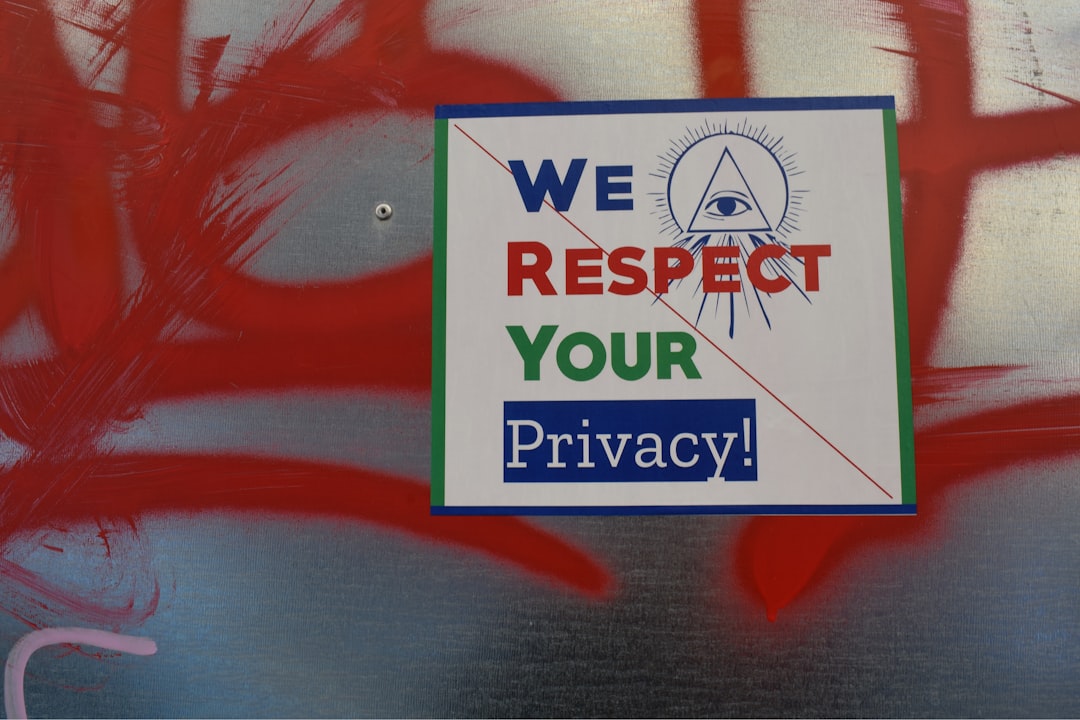
Photo by Marija Zaric on Unsplash
I was 34 years old when I first told my mother no and actually meant it.
Not the soft no. Not the "I'll think about it" that really means yes-but-I-need-time-to-mentally-prepare-for-the-guilt. Not the lie I'd perfected over three decades: "That sounds great, Mom, I'll try to make it work." I mean the kind of no that comes with a full stop. No explanation. No apology. No promises to make it up to her later.
She wanted me to move back home for the summer. Nothing sinister about it—she was lonely, my dad had just retired, and she thought we could be a family again. The request felt reasonable from her end. From mine, it felt like stepping backward into a version of myself I'd worked hard to leave behind.
That single word—no—opened something I didn't expect: the realization that I'd spent my entire adult life negotiating with people who saw my independence as a threat rather than a victory.
The Guilt You Inherit Along with Your Family Name
Growing up, I learned early that my job was to be easy. My parents had their struggles—financial stress, a difficult marriage, expectations inherited from their own parents. So I became the child who didn't ask for much. Good grades without being asked. A steady job without drama. Calls on schedule. Visits on holidays. Gratitude constantly expressed.
I wasn't guilted with words. That's what made it so effective. It was the sigh when I said I couldn't make Sunday dinner. The disappointed silence when I chose a vacation with friends over family time. The way my mother's face would change when I mentioned my therapist—as if seeking professional help was somehow a referendum on her parenting.
By my thirties, I'd internalized the message: wanting my own life meant I was ungrateful. Protecting my peace meant I was selfish. Setting boundaries meant I was cold.
The numbers on this aren't hard to find. Research from the Journal of Family Psychology shows that adult children who struggle with boundary-setting often experience depression and anxiety at rates nearly double those who can comfortably say no to family members. We're not broken because we have families. We're struggling because we're trying to be adults while still operating from a child's framework of rules.
The Moment the Script Got Rewwritten
That summer my mother asked me to move home, I did something I'd never done before: I sat with the discomfort instead of running from it.
I didn't immediately say yes to manage her disappointment. I didn't manufacture a crisis to make no feel acceptable. I just felt the weight of her sadness, acknowledged it as real, and refused to take responsibility for fixing it.
"Mom," I said, "I can't move back home. I know you're lonely. That's real and I care about that. But I also know that moving back would make me miserable, and secretly, that would make you unhappy too."
She didn't respond well. Not at first. But here's what surprised me: she didn't crumble. The world didn't end. She didn't stop loving me. She was upset, genuinely, but her upset was something she got to sit with—the way I'd been sitting with my own feelings for years.
For the first time, I understood that her emotions were not my emergency.
What Actually Happens When You Stop Managing Other People's Feelings
There's a phenomenon I think a lot of people miss: we assume that saying no to family means we're choosing distance. Sometimes it's the opposite. It means we're finally choosing authenticity.
After that conversation, my relationship with my mother changed. Not immediately. There were still awkward calls, still moments where she'd test the boundaries I'd established. But slowly, something shifted. She started asking me questions about my actual life—not as a way to find leverage points to convince me to come home, but because she was genuinely curious about who I'd become.
I could be honest about the hard stuff. I could say "I'm struggling" without her hearing it as "I'm struggling because you're not here." I could share my wins without them being filtered through her disappointment about my life choices.
That boundary—that one powerful no—created space for a real relationship between two adults instead of a perpetual negotiation between a disappointed parent and a guilty child.
It also made me reflect on other relationships where I was doing this same work. I was the person who always said yes. The person who picked up the phone at midnight. The weird guilt of being the reliable friend (and why I finally stopped apologizing for it) hit me so hard when I read it, because I realized I'd been operating from the same framework with everyone—managing everyone's expectations, managing everyone's disappointment, making myself small to make others comfortable.
The Freedom Nobody Warns You About
Two years later, I've said no to my family many times. Some requests were refused with explanation. Some were refused simply. Some hurt both of us, and I was okay with that—truly okay, not just pretending.
The unexpected gift is this: when you stop being responsible for managing your parents' emotions, you can actually like them. You can call them because you want to, not because you're supposed to. You can be vulnerable with them—about struggles, fears, disappointments—without that vulnerability being weaponized or turned into evidence that they were right about something.
I'm not suggesting you burn the bridges. I'm suggesting you rebuild them from something other than obligation. My parents still don't understand all my choices. But they've stopped asking me to choose differently just to make them feel better.
That's the freedom nobody warns you about when you're growing up: the freedom to disappoint people and survive it. To be imperfect, unavailable, and still be worthy of love. To say no to the people who created you and discover that it doesn't destroy them—or you.
It just makes space for something more real.
Comments (0)
No comments yet. Be the first to share your thoughts!
Sign in to join the conversation.