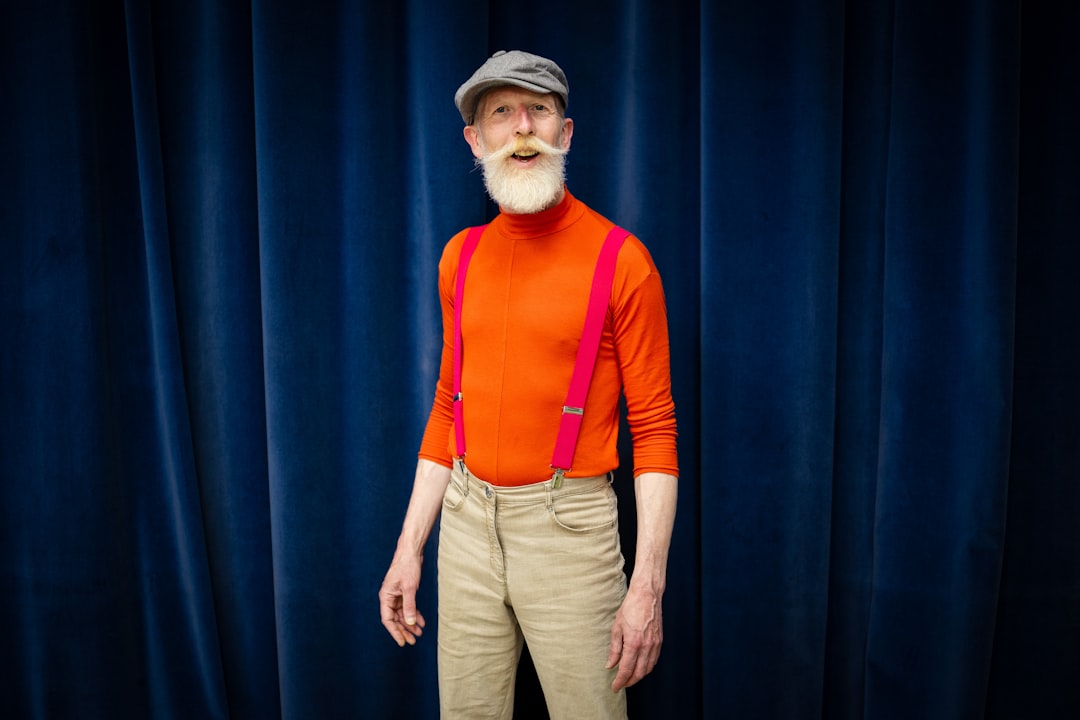
Photo by Centre for Ageing Better on Unsplash
Last Tuesday, I took up three parking spaces at the grocery store. Accidentally, sure, but I still sat in my car for five minutes waiting for someone else to leave first so I could "fix it." That's when I realized: I apologize for existing like some people apologize for being late. Constantly. Reflexively. Without thinking.
For years, I thought this habit made me polite. Considerate. A "good person." What it actually made me was exhausted, resentful, and slowly disappearing from my own life.
The Origin Story Nobody Wants to Admit
My guilt didn't appear overnight. It was built carefully, brick by brick, through a thousand tiny moments. A father who'd say "don't be difficult" whenever I expressed a preference. A mother who'd sigh heavily when I asked for anything. Teachers who praised me for being "no trouble." By the time I was fifteen, I'd internalized a core belief: my needs were an inconvenience to everyone around me.
The statistics back this up more than I'd like. Research from the University of Waterloo found that women apologize significantly more than men—not because they commit more offenses, but because they have a lower threshold for what they perceive as an offense. We're taught that occupying space, having opinions, and wanting things are inherently problematic.
My personal low point came during a meeting at work. I'd prepared a presentation about a marketing campaign I'd been developing for three months. I spent more time apologizing during that presentation than presenting. "Sorry, this might be obvious, but..." "Sorry, I know this is probably boring, but..." "Sorry if this is too long..." My boss finally interrupted me. "Stop apologizing. You've done good work. Own it." I burst into tears. In a conference room. Full of people.
The Apology Spiral and What It Actually Costs
The real damage of chronic apologizing isn't just emotional—it's practical and measurable. When you apologize constantly, you train people to dismiss you. Studies show that women who frequently apologize are perceived as less confident and less competent, regardless of the quality of their work. We basically hand people permission to take us less seriously.
But the internal cost was worse. I was living a version of my life where I was always performing the role of "woman who doesn't take up too much room." Eat less. Talk quieter. Want less. Be grateful for scraps. I was so busy managing everyone else's comfort that I'd completely lost track of my own.
The worst part? People got used to it. They started treating my generosity, my time, my emotional labor as the default. A friend could cancel plans last-minute with "OMG I'm so sorry!" but when I did it once—once—it was a betrayal. My partner could work late without warning, but if I needed to take an evening for myself, I'd apologize for a week. My family could criticize me freely, but I had to carefully frame any gentle suggestion to them as a tentative question, heavily apologized for in advance.
The Day I Became My Own Person (Not on Purpose)
Change didn't come through a motivational podcast or a self-help book. It came through burnout, honestly. I ran out of steam. One morning, I simply couldn't manufacture an apology for existing. I was too tired. Too worn down. So I stopped.
It was terrifying. I asked for a raise without saying "I know this is probably not possible, but..." I told my sister no without explaining myself for twenty minutes. I took a vacation without apologizing for the inconvenience to my colleagues. The world didn't implode. My boss didn't fire me. My family didn't disown me. Most shocking of all: people actually respected me more.
That might sound like I'm exaggerating, but I'm not. When I stopped downplaying my contributions at work, I got promoted. When I stopped apologizing for my boundaries, my relationships actually deepened. People respected the version of me that took herself seriously.
This connects to something I explored in Why I Stopped Trying to Be the 'Right' Version of Myself and Started Actually Living—that moment when you realize the version of yourself you've been performing is actually the thing holding you back.
What Changed (Practically Speaking)
Here's what I actually did, because I know this resonates but might feel impossible:
First, I started noticing. Every time I apologized, I'd pause and ask: "Am I actually sorry, or am I scared?" Ninety percent of the time, it was fear. Fear of judgment. Fear of being too much. Fear of someone getting mad at me. Once I could name that, it became easier to push back against.
Second, I gave myself permission to be "rude." And by rude, I mean direct. "No, I can't do that." No explanation. No softening. No apology. It felt harsh at first. By month two, it felt like freedom.
Third, I actually listened to how I was being treated. Once I stopped apologizing for existing, I noticed who was apologizing to me. Not many people. I had friendships where the apologizing was one-directional—and once I saw it, I couldn't unsee it. Some of those relationships needed to change.
The Person I Am Now
Six months in, I'm still not "fixed." Sometimes I catch myself apologizing reflexively and I have to laugh at myself. But it's different now. It's occasional, not constant. And more importantly, I know what it costs me when I do it.
I'm still considerate. I'm still kind. But I'm not disappearing anymore. I take up the space I actually occupy. I say what I think. I want things, and I ask for them without apology. The people worth keeping in my life? They actually like this version of me better.
If you're reading this and recognizing yourself, I want you to know something: you don't owe anyone an apology for having needs, opinions, and space. Not your mother. Not your boss. Not your partner. Not anyone. Your existence is not an inconvenience. Your voice is not too loud. Your dreams are not too big.
Start small. Skip one apology today. Just one. See what happens. I have a feeling you'll be surprised.
Comments (0)
No comments yet. Be the first to share your thoughts!
Sign in to join the conversation.