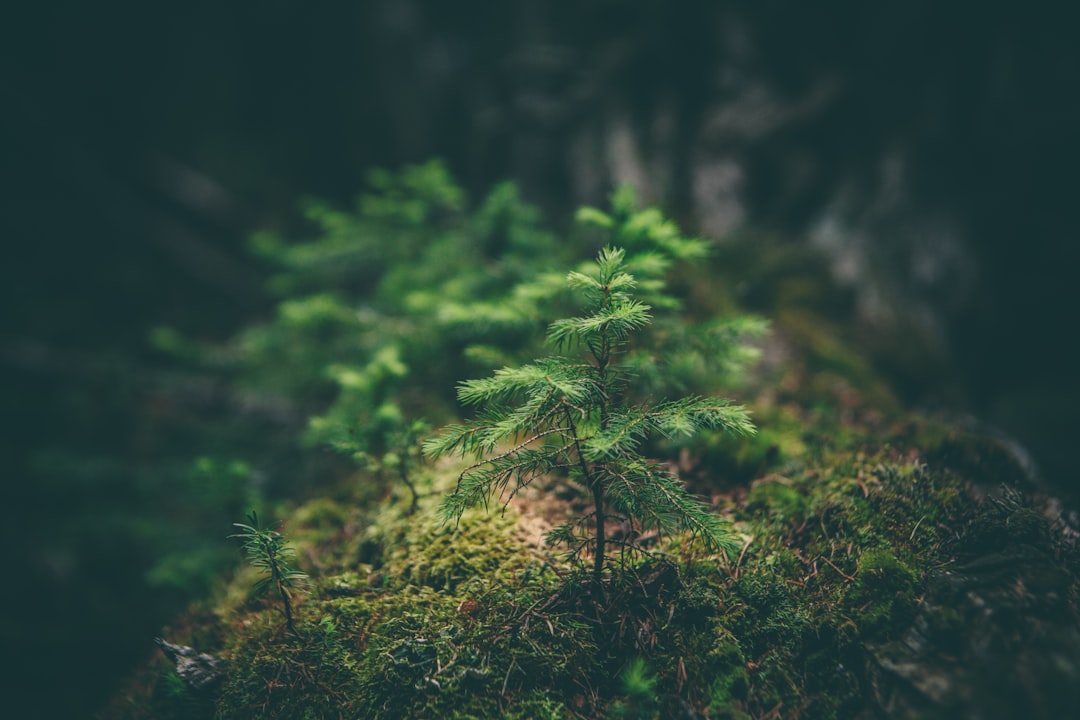
Photo by Matthew Smith on Unsplash
On a cold January morning in 1995, wildlife biologists opened a gate in northern Yellowstone National Park and released the first gray wolves into the region in nearly 70 years. Fourteen wolves emerged from their transport crates into the snow. Nobody standing there that day fully understood what they were about to witness: one of the most profound ecological transformations of the modern era. What followed wasn't just a simple predator-prey story. It was evidence that nature operates on principles far more interconnected and fragile than we'd previously imagined.
The Absence That Shaped Everything
Before the wolves vanished from Yellowstone, the ecosystem was already broken. Nineteenth-century ranchers and hunters had systematically eliminated gray wolves across the American West, viewing them as competition for livestock and game. By 1930, not a single wolf remained in Yellowstone. What followed was a century of ecological decay that nobody could quite explain at the time.
Without their natural predators, elk populations exploded. By the 1990s, roughly 19,000 elk roamed Yellowstone's valleys—more than four times what the ecosystem could sustainably support. These herds didn't simply graze; they obliterated vegetation. Aspen groves that had stood for generations were stripped bare. Willow thickets disappeared. Songbirds vanished because the vegetation they depended on no longer existed. The park looked increasingly like a deer pen rather than a functioning wilderness. Park rangers watched helplessly as the foundation of the entire ecosystem crumbled from the ground up.
The irony was devastating: Yellowstone had been established as America's first national park specifically to preserve nature, yet the absence of one species had quietly unraveled everything else.
The Cascade That Rewrote the Rules
When wolves returned, something unexpected happened. They didn't just kill elk. They changed where elk lived.
Elk, it turned out, are terrified of wolves. They avoid valleys where wolves hunt, preferring higher ground. This shift in elk behavior allowed vegetation to recover in areas that had been devastated for decades. Within five years of wolf reintroduction, aspen saplings began sprouting in the northern part of the park for the first time in generations. Willows returned. The entire food web started reassembling itself.
But here's where the story becomes genuinely astonishing: the wolves' presence benefited species they never hunted.
Ravens, eagles, and bears had been starving in Yellowstone's winters for decades. Elk populations were healthy enough that they survived the cold months, but wolves changed that calculus. When wolves made a kill, they fed on roughly 25% of the carcass, leaving the rest behind. In the brutal Yellowstone winter, those remains meant survival for scavengers. Eagle populations in the park increased by 300% after wolf reintroduction. Grizzly bears, which rely on elk carcasses as critical food sources before hibernation, finally had reliable access to meals again. Species that hadn't benefited from the ecosystem in a century suddenly had a reason to thrive.
Even the physical shape of the park changed. Restored vegetation stabilized riverbanks that had been eroding for decades. Rivers that had become braided and unstable began flowing more normally. The changes were so dramatic that geologists could measure the difference in how the Lamar River flowed through the valley.
The Science Behind the Shock
Ecologists have a term for this kind of influence: trophic cascade. It's the idea that changes in predator populations ripple downward through food chains in ways that affect everything from herbivores to soil composition. Trophic cascades existed in theory before Yellowstone, but they'd never been documented at this scale in a modern ecosystem.
The research that followed was staggering. By 2013, scientists had documented that wolf presence influenced everything from the microbial communities in the soil to the nutrient cycling that fed plants. The wolves weren't just predators. They were ecosystem engineers on a scale most biologists hadn't fully appreciated.
This discovery forced a fundamental reckoning with how we understand nature. For decades, conservation efforts had focused on protecting individual species. Save the elephant. Protect the tiger. Prevent the panda from extinction. Yellowstone revealed something more complex: that fixing an ecosystem often required understanding it as a web of relationships so intricate that removing one thread could unravel everything else. More importantly, restoring one thread—the wolves—could somehow stitch the whole thing back together.
The Lesson That Still Matters
The wolves of Yellowstone taught us something humbling. We live on a planet where predators aren't villains or unnecessary luxuries. They're essential infrastructure. When we eliminate them—whether through hunting, habitat loss, or agricultural expansion—we're not just removing individual animals. We're dismantling systems that have evolved over millennia to stay balanced.
This insight has changed how we approach conservation worldwide. Protected areas now consider the role of apex predators more carefully. Rewilding projects consider trophic cascades as part of their planning. Understanding the Yellowstone wolves' impact helped shape conservation strategies from the Serengeti to the Amazon.
What makes the Yellowstone story particularly powerful is that it happened in real time, with scientists watching and measuring every step. We didn't have to theorize about trophic cascades anymore. We could see them happening, measure their effects, and recognize that when we get it right, nature's ability to heal is remarkable.
Those fourteen wolves released in 1995 didn't just hunt elk. They reminded us that nature operates as an interconnected whole, and that sometimes the most important conservation work isn't about creating new protected areas or banning a particular activity. Sometimes, it's about bringing back what we took away and then humbly stepping aside to watch what happens next. If you're interested in how intelligence emerges in unexpected places across nature, you might also enjoy reading about The Octopus's Garden: How Eight Arms Rewrote the Rules of Intelligence—another compelling example of how species challenge our fundamental assumptions about the natural world.
Comments (0)
No comments yet. Be the first to share your thoughts!
Sign in to join the conversation.