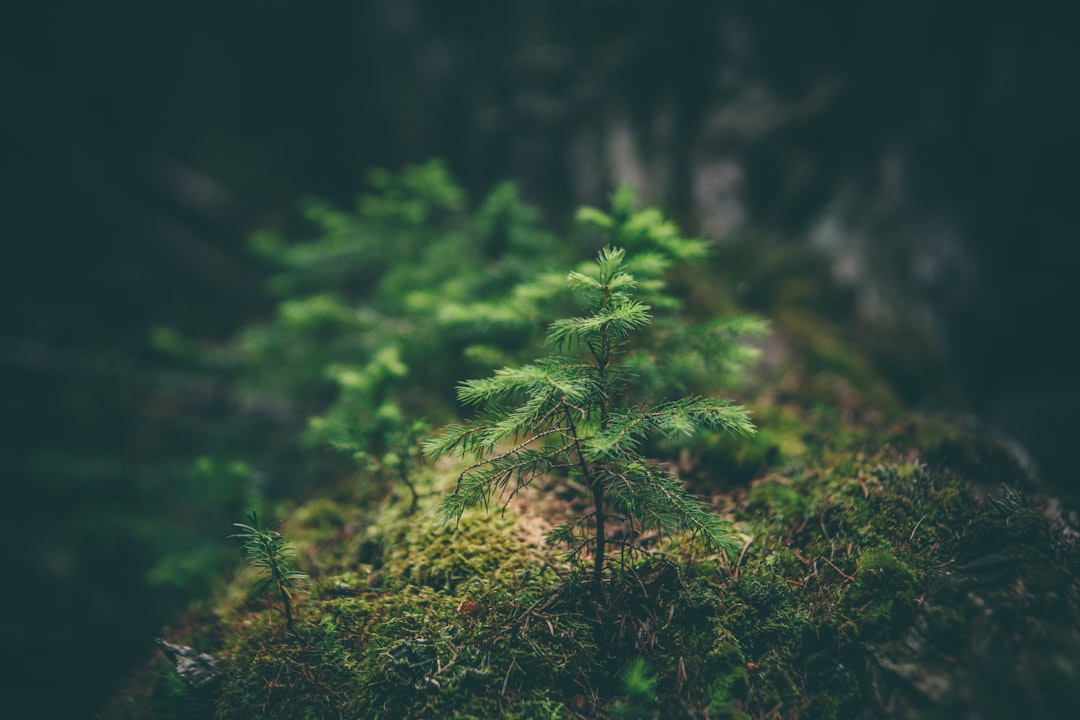
Photo by Matthew Smith on Unsplash
When wolves returned to Yellowstone National Park in 1995 after a 70-year absence, most people expected to see straightforward predator-prey dynamics playing out. The wolves would hunt elk. The elk population would drop. The vegetation would recover. Simple cause and effect. But something far stranger happened—and it's rewriting how we understand fear's role in nature.
The Ghost Effect: How Fear Rewires Ecosystems
Researchers studying Yellowstone's wolves noticed something peculiar. Elk weren't just being killed by wolves; they were fundamentally changing their behavior out of pure fear. The animals began avoiding certain areas of the park entirely—particularly the river valleys where wolves were most active. They stopped lingering in these zones to eat, stopped raising their young there, stopped using them as shelter.
This avoidance behavior, called the "landscape of fear," had enormous consequences. Because elk were spending less time in the riparian zones near the rivers, vegetation in those areas exploded. Willow, cottonwood, and aspen trees that had been hammered by decades of unchecked elk grazing suddenly got a reprieve. Within just a few years, stands of willows grew tall enough to stabilize riverbanks. The roots held soil in place. The canopy provided shade that cooled the water temperature.
And that's where things get really interesting. The cooler, more stable rivers became havens for native fish species. Beavers returned because they had willows to fell. The beaver dams slowed water flow and created wetland habitat. Songbirds arrived. Grizzly bears started fishing again. The entire ecosystem began to breathe differently—not because wolves killed more prey, but because prey learned to be terrified.
What the Numbers Actually Tell Us
A 2022 study published in Ecology Letters quantified just how powerful this fear effect is. Researchers found that the presence of wolves—not even successful hunts, just the presence—reduced elk density in certain habitats by up to 50%. But here's the kicker: wolves only directly killed about 15% of the elk population annually. The remaining 35% reduction came almost entirely from behavioral avoidance.
This means fear was doing more ecological work than the wolves' actual teeth and claws. The predators became ecosystem engineers not through consumption, but through intimidation. It's like having a bouncer at the door who barely ever has to throw anyone out—the threat alone changes everything.
The same pattern has been observed in other systems. In African savannas, the presence of lions causes zebras to alter their grazing patterns, which affects vegetation structure, which influences water retention in the soil, which changes microbial communities. One predator's reputation cascades through multiple trophic levels.
Why This Matters for Our Understanding of Nature
For decades, ecologists built models based on energy flow and direct predation rates. If a predator ate X amount of prey, then prey numbers dropped by Y amount, and vegetation responded predictably. It was clean. Quantifiable. Wrong in some pretty crucial ways.
The fear ecology revolution suggests that how animals behave matters just as much as whether they survive. An elk that's alive but terrified uses the landscape differently than a calm elk. A bird that's hypervigilant because of predators allocates its energy differently than a relaxed bird. These behavioral shifts create cascades that deterministic models completely miss.
This has profound implications for conservation. When we reintroduce predators to restore ecosystems, we're not just adding apex hunters—we're introducing a behavioral template that can reshape how every other animal moves through space. The fear itself becomes a restoration tool.
The Human Wrinkle: How Our Fear Changes Everything
Here's where things get complicated and somewhat uncomfortable. Research on wolves in areas where humans are present—particularly areas with hunting—shows that wolves develop fear responses to humans. They avoid human settlements more aggressively. They hunt differently. They occupy different terrain.
In some regions of Europe and North America, wolves are so wary of humans that their presence creates almost no "landscape of fear" for prey animals, because the wolves themselves are too afraid to effectively occupy the ecosystem. The fear goes up the hierarchy instead of down it.
This suggests that human-wildlife coexistence might require us to think differently about our own role. We're not just predators to large animals—we're unpredictable, dangerous entities that inject uncertainty into natural systems. Understanding that our presence creates fear effects, just like any other predator, might help us make better decisions about where and how intensively we occupy shared spaces.
What Happens Next
Current research is exploring whether fear effects vary by season, by age group within prey populations, and by different predator types. Some researchers are investigating whether chronic fear itself has fitness costs—whether animals that live perpetually vigilant suffer health consequences that eventually impact populations. The early evidence suggests yes, but the story is still unfolding.
What's clear is that we've been thinking about ecosystems in ways that are too mechanical. Nature isn't just a machine where energy flows predictably from one part to another. It's a complex system where psychology, behavior, and emotion create physical changes in the environment. A predator that's merely remembered—that creates fear in the hearts of prey animals it might never encounter—can reshape entire landscapes.
For more on how predator intelligence influences ecological outcomes, read about how octopuses demonstrate sophisticated problem-solving in marine ecosystems.
The wolves are teaching us something essential: fear is not just a feeling. It's a force that reorganizes matter, redistributes resources, and fundamentally restructures how life arranges itself. And that realization changes everything about how we should approach restoration ecology, conservation, and our relationship with the wild world.
Comments (0)
No comments yet. Be the first to share your thoughts!
Sign in to join the conversation.