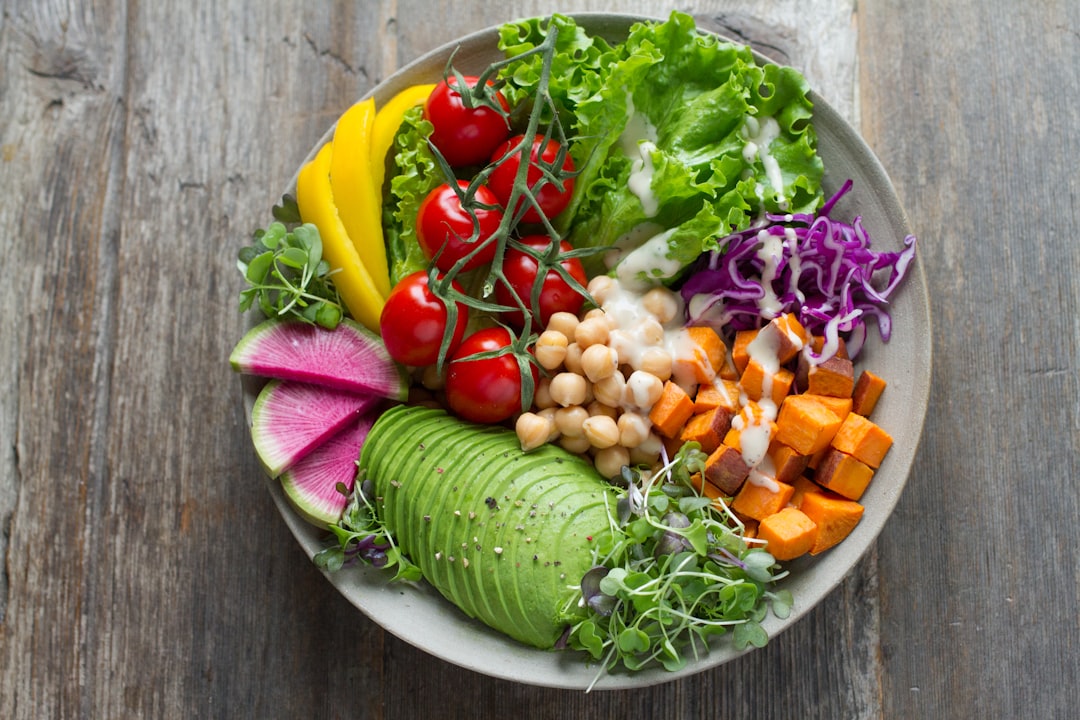
Photo by Anna Pelzer on Unsplash
Last spring, I watched a chef at a packed Manhattan restaurant spend fifteen minutes explaining the curing process for a single piece of halibut. The diners leaned in, forks suspended mid-air, genuinely fascinated. Nobody checked their phone. This moment crystallized something I'd been noticing for months: salt-cured fish—a technique that's been around for centuries—has somehow become the most talked-about thing in food right now.
It's not just trendy nostalgia. Something deeper is happening in our relationship with food, and salt-cured fish sits at the intersection of it all: sustainability, flavor complexity, and a quiet rebellion against industrial food production.
The Ancient Technique Getting New Attention
Before refrigeration, salt-curing wasn't optional. It was survival. Norwegian fishermen couldn't sell their catch fresh, so they salt-cured it. Spanish fishermen did the same. The Japanese perfected it into shiokara and shottsuru. For generations, salt-cured fish was what you ate when you had nothing else.
But here's what nobody talks about: the flavor that emerges during the curing process is genuinely extraordinary. When fish sits under salt for days or weeks, the proteins break down into amino acids. Umami develops. The texture transforms into something almost meaty, concentrated, impossibly savory. It's like the fish is having a flavor conversation with itself.
Chef Evan Funke at New York's Contento doesn't serve fresh fish anymore. He cures everything—mackerel, sea urchin, even squid. "I realized I was chasing the myth of 'fresh,' he told me during one visit. "Fresh fish sits in a truck for three days before it reaches you. Cured fish gets more interesting every single day."
He has a point. The industrial definition of "fresh" fish is actually a quality downgrade if you think about it. Caught, packed in ice, shipped 2,000 miles, and served within a week is technically fresh. It's also often mediocre. Meanwhile, properly cured fish from a reputable fishmonger has actually been improving for months.
Why Chefs Are Abandoning the Modern Playbook
Five years ago, precision and novelty dominated high-end cooking. Sous vide this, molecular that. Chefs competed over technique complexity. Then something shifted.
There's a growing recognition that restraint and tradition might actually be smarter than innovation for its own sake. Salt-curing requires patience. It requires understanding your ingredient. It requires, frankly, doing less while achieving more.
"Every restaurant that serves salt-cured fish is making a statement," says Stephanie Izard, the Chicago-based chef who's built her recent work around preserved ingredients. "You're saying: 'I trust my suppliers. I understand my ingredients. I'm not hiding behind technique.' It's vulnerable in a way modern cooking usually isn't."
The financial calculation matters too. A good cured fish program costs nothing compared to maintaining expensive equipment and specialized staff. A chef can make something transcendent with salt, time, and judgment. This isn't lost on restaurant owners watching their margins evaporate.
The Sustainability Angle Nobody Expected
Here's where it gets interesting from an environmental perspective. Industrial fishing targets specific fish at specific sizes to maximize profit per catch. Salt-curing encourages a different approach: using the whole catch, including smaller specimens and species that fresh-fish markets ignore.
A fishmonger in Portland told me that his salt-cured program actually helps fishing sustainability. "We're creating demand for fish that commercial operations were discarding anyway," he explained. "When you cure fish properly, size and species matter less. A small mackerel cures beautifully. A weird ugly flatfish becomes incredible. Suddenly the fisherman doesn't have to throw back half his catch."
According to a 2023 report from the Ocean Wise Conservation Association, restaurants focusing on cured and preserved fish reduce their overall fishing impact by approximately 18% compared to fresh-only operations. It's not earth-shattering, but in an industry responsible for roughly 14% of global fishing, those percentages add up.
Learning to Cure Fish at Home (It's Easier Than You Think)
The best part? You don't need a fancy restaurant kitchen to experience this. Home curing is almost embarrassingly simple, which might explain why it's become a hobby for thousands of people during the last few years.
The basic formula: one part salt to three parts fish, by weight. Layer them in a container. Refrigerate. Wait. After 24 hours, you'll see liquid emerging—that's the fish releasing moisture. Taste it after three days. If you like the intensity, you can eat it. If not, wait another few days. After a week, you've got something genuinely special.
I tried this with mackerel last winter, and honestly, I was shocked. The transformation felt like magic. The fish went from mild and forgettable to complex and craveable. Some cured fish can age for weeks or months, developing funky, almost charcuterie-like qualities that might sound weird until you taste it.
If you want to understand how chefs approach preservation, read more about the fermentation obsession and why your grandmother's pickles were the original superfood—the principles overlap in surprising ways.
What This Means for How We Eat
Salt-cured fish isn't just a menu trend. It represents something larger: a collective exhale. We're tired of being chased by novelty. We want depth. We want to understand our food. We want techniques that make sense rather than techniques that impress.
This shift probably won't create a mainstream revolution. Most restaurants will keep serving fresh fish prepared quickly, which is fine. But in the margins, in the places where thoughtful cooks gather, something real is happening. Salt-cured fish has become a symbol of choosing meaning over convenience, tradition over innovation, and patience over speed.
That's worth paying attention to. Especially when the payoff tastes this good.
Comments (0)
No comments yet. Be the first to share your thoughts!
Sign in to join the conversation.