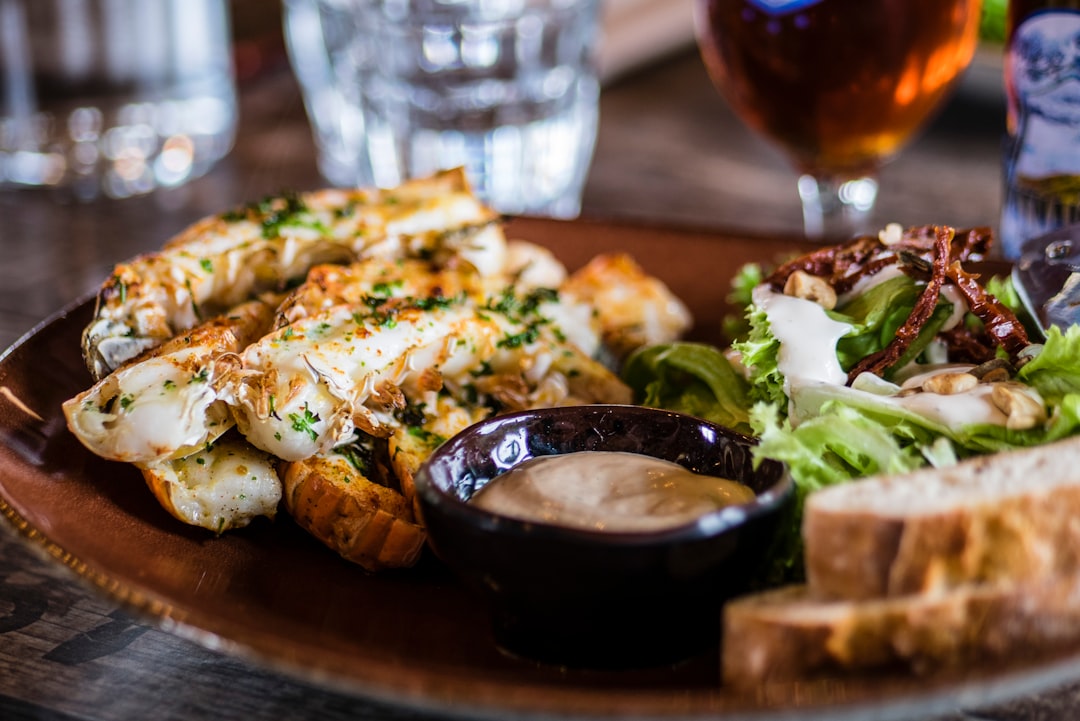
Photo by Davide Cantelli on Unsplash
Last spring, I visited a small olive farm outside Messina, Sicily, where the owner—a weathered man named Giuseppe who'd been pressing olives for forty-three years—handed me a tiny glass of fresh oil. It tasted like grass clippings mixed with almonds and a peppery kick that made my throat catch. He smiled at my confusion and said, "This is what olive oil is supposed to taste like. Everything else you've had is probably fake."
That sentence haunted me for weeks. Not because he was being dramatic, but because he was essentially correct.
The Counterfeit Problem That Nobody Talks About
Here's what most people don't know: olive oil fraud is a multi-billion-dollar industry. According to the U.S. Pharmacopeia and confirmed by various FDA investigations, somewhere between 50-80% of olive oil sold in North America and Europe is either mislabeled, diluted with cheaper oils, or chemically refined to mask quality issues. Some bottles contain olive oil that's been mixed with seed oils like sunflower or soy. Others are made from olives that were harvested so late they'd nearly fermented on the tree.
The economics are simple: authentic, high-quality extra virgin olive oil costs money to produce. You need the right climate, skilled workers, specialized equipment, and patience. A bottle of the real stuff might cost $25-$50 at retail. But if you can label sunflower oil as premium olive oil? Suddenly your profit margins explode.
The tragedy is that most people buying a $6 bottle at the grocery store have never actually tasted real olive oil. They've only known the imitation version—and they think that's normal.
How to Spot the Fakes (Without Being a Sommelier)
The first red flag is price. If a bottle says "extra virgin" and costs less than $10, something is wrong. Real extra virgin olive oil has production costs that simply won't allow for that price point. Light, buttery, or "refined" olive oils? Those are cheaper for a reason—they've been processed to remove character and defects.
Next, check the label for a harvest date. Legitimate producers include this. Olive oil degrades with age and exposure to light, so knowing when the olives were pressed matters enormously. If there's no date, the producer is hiding something.
The bottle itself tells a story too. Real extra virgin olive oil needs to be protected from light—which is why serious producers use dark glass or tin. If you're looking at a clear bottle under bright supermarket lights, the oil inside has already been compromised.
Taste it if you can. Real extra virgin oil has character: it's grassy, peppery, sometimes buttery, occasionally herbaceous. It shouldn't taste like nothing. It shouldn't taste like vegetable oil. If your olive oil is completely neutral and bland, it's probably been chemically refined, which technically isn't "extra virgin" at all.
Why Certification Actually Matters
You've probably seen seals on olive oil bottles—little stamps claiming various certifications. Most of them are meaningless marketing. But a few actually mean something.
Look for PDO (Protected Designation of Origin) or PGI (Protected Geographical Indication) labels. These are European certifications with real teeth. To claim PDO status, olive oil must come from a specific region and follow strict production standards. The certifying bodies actually conduct inspections and testing. It's not perfect, but it's far better than the typical American label that makes promises nobody enforces.
California has started cracking down on its olive oil industry too. The UC Davis Olive Center has published research exposing fraud and established quality standards. Oils from reputable California producers like Bariani or McEvoy Ranch actually live up to their labels.
Italian olive oil remains the gold standard in terms of regulation, though even Italy has had its scandals. In 2013, Italian authorities busted what became known as "Agromafia"—massive criminal networks adulterating olive oil. So even legitimate-sounding origins aren't foolproof, but they're significantly better odds than nameless bottles from unknown sources.
What You're Missing
Once you taste genuinely good olive oil, your relationship with food transforms. Real extra virgin oil shouldn't be cooked with—that's another thing the industry won't tell you. Heat destroys its delicate compounds. You're supposed to use it raw: drizzled on soups, over grilled bread, on finished dishes. It's a finishing ingredient, not a cooking medium.
When you start using real oil this way, you start tasting it everywhere. A proper vinaigrette becomes revelation instead of background noise. Bruschetta tastes like bruschetta should. Even the simple act of dipping bread into good olive oil—with maybe some balsamic vinegar and salt—becomes a meal worth savoring.
The irony is that spending more on olive oil actually means spending less overall. Because real oil has so much flavor, you use less of it. A $40 bottle lasts longer than three $6 bottles because you're not trying to cover the taste of nothing.
Where to Find the Real Thing
Skip the regular supermarket for olive oil. Instead, seek out specialty shops, farmers markets, or online retailers dedicated to quality oils. Websites like Eataly or smaller producers who sell directly cut out the middlemen and lower your fraud risk significantly. Many offer single-harvest oils from specific regions and specific years—just like wine.
Talk to the person selling it. Ask them about the harvest, the olive variety, the flavor profile. Real producers are passionate and knowledgeable. If the shop employee shrugs and changes the subject, keep walking.
Start with one bottle—something in the $25-$35 range with clear labeling and recent harvest date. Use it on finished dishes where you'll actually taste it. You'll immediately understand what Giuseppe meant about everything else being fake.
For more on understanding real food quality and knowing when producers are cutting corners, check out our piece on why your sourdough starter keeps dying—and what bakers won't tell you. The same principles of authenticity, quality ingredients, and honest production standards apply across the entire food world.
Comments (0)
No comments yet. Be the first to share your thoughts!
Sign in to join the conversation.