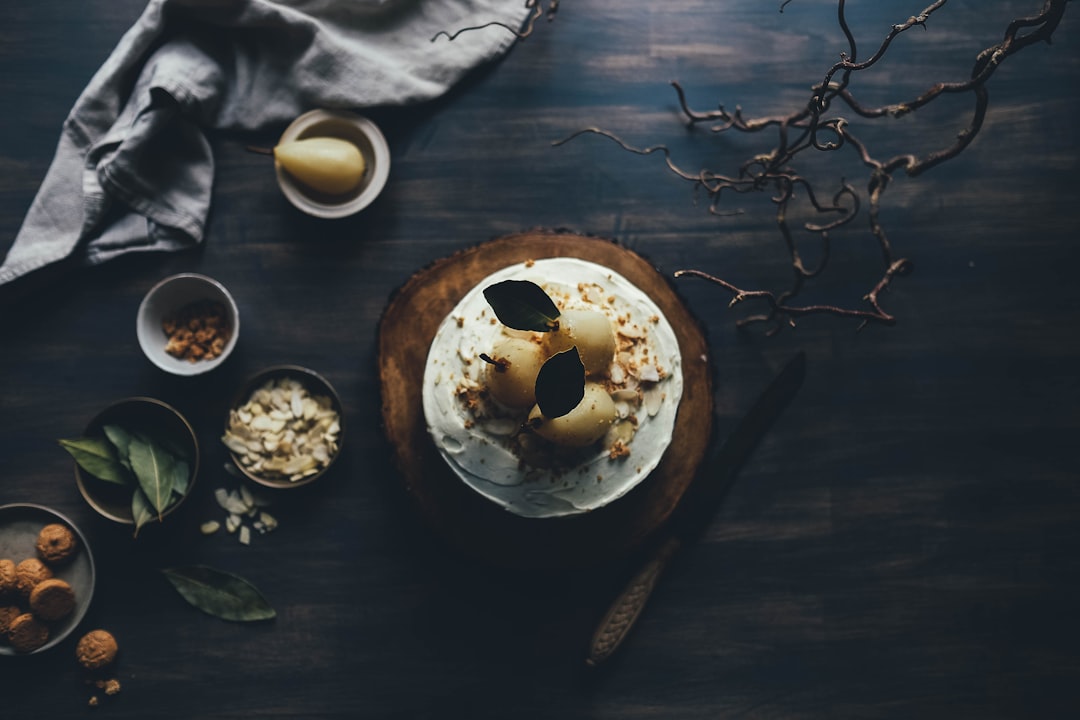
Photo by Annie Spratt on Unsplash
Last Tuesday, I ordered takeout pad thai from a hole-in-the-wall Thai place down the street. Two hours later, I decided to recreate it. Same noodles, same vegetables, same sauce proportions I'd meticulously measured. The result? My version tasted like sad, flat sadness. The restaurant's version had this indescribable depth—a savory richness that coated your mouth and made you want another bite immediately. I'd experienced what chefs call the umami gap, and I wasn't alone.
Umami, often called the fifth taste alongside sweet, salty, sour, and bitter, is the savory sensation that makes food crave-worthy. It comes from glutamates and nucleotides like inosinate and guanylate. But here's the thing: most home cooks don't understand umami well enough to weaponize it, while professional chefs build it into every dish almost instinctively. This gap explains why restaurant food tastes like a completely different universe from what we make in our kitchens.
The Science Behind Why Restaurant Food Tastes Like Magic
When you eat at a restaurant, you're not just tasting food—you're tasting the accumulated umami knowledge of someone who's spent years perfecting the craft. Umami isn't just one flavor; it's a technique, a philosophy, an entire approach to cooking.
Thomas Keller, the chef behind The French Laundry, once said that great cooking is about building layers of flavor. He wasn't being poetic. He was describing umami. Every element in a professional kitchen—from the stock that simmers for 12 hours to the carefully browned mushrooms to the anchovy paste stirred into the pan—serves one purpose: amplifying umami.
The reason restaurant dishes hit different comes down to chemistry. Umami compounds multiply when you apply heat, combine certain ingredients, or use fermentation. A chef knows that caramelizing onions for 45 minutes creates a deeper umami punch than quickly sautéing them. They understand that Parmesan cheese contains 1,680 mg of glutamates per 100 grams—more than almost any other natural food. They know that tomatoes aged slightly, mushrooms properly browned, and beef stocks reduced by half contain exponentially more umami than their fresh counterparts.
Here's the specific data that should alarm every home cook: a bowl of basic pasta with butter contains around 120 mg of glutamates. The same pasta with a traditional Italian meat ragù contains roughly 800 mg. That's not a different meal—that's a completely different sensory experience.
The Umami Ingredients Your Kitchen Is Missing
Walk into any professional kitchen, and you'll see certain ingredients that almost never appear in home cooking. Not because they're exotic or expensive, but because most food media doesn't teach people about them.
Fish sauce is probably the most obvious one. It smells absolutely repugnant straight from the bottle—like low tide at a fish market combined with regret. But add a teaspoon to a pot of soup, and suddenly everything tastes fuller, rounder, more alive. That's umami doing the heavy lifting. Vietnamese, Thai, and Filipino cuisines have known this for centuries. Most American home cooks discovered it approximately never.
Then there's miso paste. A tablespoon of white miso in a soup, stirred in at the very end so the heat doesn't destroy it, adds umami without making anything taste fishy or weird. It just makes everything taste like a more intentional version of itself.
Soy sauce, Worcestershire sauce, anchovies, aged balsamic vinegar, nutritional yeast, kombucha, and even mushroom powder—these aren't fancy ingredients. They're the secret weapons that turn adequate cooking into crave-inducing cooking. Most home cooks use maybe one of these items occasionally. Professional kitchens use all of them, constantly, in strategic combinations.
The fermentation component matters too. Fermented foods like kimchi, miso, and soy sauce contain free glutamates that have already broken down, making them more bioavailable and more intensely umami-forward than their non-fermented counterparts. A chef will ferment something for weeks to concentrate these compounds. You probably haven't fermented anything intentionally in your life.
The Temperature and Time Factor Nobody Talks About
Here's where it gets interesting. Umami doesn't just appear—you have to build it over time with heat.
Maillard reactions (the browning that happens when you cook proteins and sugars together) create new umami compounds. A properly seared steak develops way more umami than a gently warmed one. A slow-roasted chicken develops umami that a poached chicken can't compete with. A stock simmered for 24 hours contains umami that a 2-hour stock simply doesn't have.
Most home cooks rush this. They sauté onions for 5 minutes when 15 would change everything. They simmer stock for 3 hours when 12 would transform it from adequate to extraordinary. Time equals umami, and we're all too busy to give our food that time.
Temperature matters equally. Restaurant kitchens use extremely high heat—hotter than most home stoves can achieve. This means faster browning, quicker Maillard reactions, and more umami compounds developing in less time. Your home stovetop, even if it's nice, probably tops out at a lower temperature than professional equipment. So you need to either accept slower browning or find other ways to build umami.
How to Actually Cook Like a Restaurant at Home
The good news: you don't need to purchase expensive equipment or esoteric ingredients. You need to shift your thinking.
Start building umami into everything. When you make soup, don't just use water and salt. Add a splash of soy sauce or fish sauce. Finish dishes with umami-rich ingredients like grated Parmesan, a spoonful of miso, or a drizzle of good balsamic vinegar. Brown your vegetables properly—caramelize those onions for 30 minutes instead of 10. When making stocks or sauces, commit to longer cooking times.
Learn which combinations amplify umami. Tomatoes plus cheese equals serious umami. Mushrooms plus soy sauce equals restaurant-level depth. Beef plus anchovies plus tomatoes equals the kind of sauce that makes people ask for your recipe.
Stop assuming that sophisticated flavors come from rare ingredients or complicated techniques. They come from understanding that umami is the difference between food that satisfies and food that makes you crave another bite. Once you understand this, cooking at home shifts from trying to replicate restaurants to actually building better food than what you'll find in most places.
The next time you order pad thai or pasta or soup, pay attention to that savory richness underneath everything else. That's umami calling. And now you know how to answer back.
Comments (0)
No comments yet. Be the first to share your thoughts!
Sign in to join the conversation.