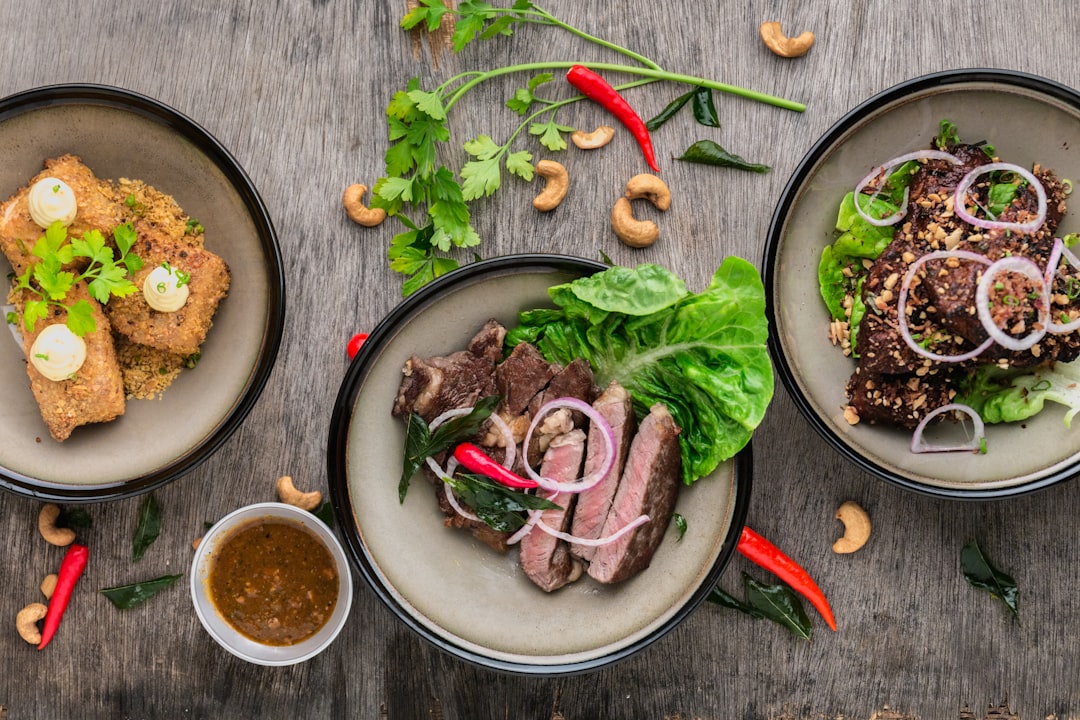
Photo by Lily Banse on Unsplash
Last Tuesday, I had lunch at a modest Italian restaurant in Brooklyn. The pasta was simple—just butter, garlic, and parmesan. But it tasted transcendent. I made the exact same dish that evening in my own kitchen using identical ingredients. Mine tasted fine. Competent, even. But it wasn't transcendent.
This is the question that haunts every home cook: why can't we replicate restaurant magic? We blame equipment, technique, or ingredient quality. We buy expensive pans, obsess over temperature control, hunt down imported cheese. Yet something still feels missing. The answer isn't mysterious or complicated. It's actually boring. And that's exactly why we keep missing it.
The Restaurant Advantage Nobody Talks About: Volume and Velocity
Here's what separates restaurant kitchens from home kitchens: they cook the same dishes hundreds of times per week. A restaurant making carbonara might prepare thirty bowls on a Friday night. That's thirty opportunities to refine the timing, adjust the heat, understand exactly how long the pasta water stays on the heat before it breaks the eggs.
Home cooks make carbonara maybe four times a year. Maybe. This means restaurants accumulate what researchers call "procedural memory"—the kind of intuitive knowledge your hands and eyes develop through sheer repetition. You don't think about it. You just know.
But there's something else happening. Restaurants work at speed and scale that completely transforms the cooking process. When you're making one pasta dish, you can nurse it slowly. When you're making five at once, everything changes. The water stays hotter. The pan stays hotter. The sauce comes together differently. Professional cooks have engineered their entire operation around this velocity.
A line cook doesn't contemplate their sauce. They work in rhythm with their team, executing the same movements so many times that improvisation becomes muscle memory.
The Salt and Fat Revolution (And Why Your Recipes Underestimate Both)
Let's get specific. I spent a day shadowing a chef at a Michelin-starred restaurant in Manhattan, and I watched something that changed how I cook at home. She salted everything. Not recklessly, but constantly. The water. The vegetables as they went into the pan. The finished dish. And then she tasted it, and salted it again.
At home, we follow recipes. "Add salt to taste" at the end. But restaurant kitchens build salt into every layer. This isn't just about flavor—it's about contrast and complexity. Salt amplifies umami compounds, which is why that simple butter-and-garlic pasta tasted extraordinary. The salt had been working the entire time, waking up glutamates and nucleotides in every ingredient.
Fat works the same way. Professional kitchens use more fat than home cooks feel comfortable with. A lot more. That pasta butter? Probably a quarter pound for two servings. The home recipe probably calls for two tablespoons. I'm not exaggerating. This difference fundamentally changes how flavors interact and how the dish feels on your palate.
Restaurant kitchens also don't apologize for fat. They use it strategically. Finishing oil on a salad. A knob of butter whisked into a pan sauce. Rendered fat in a soup. These aren't afterthoughts—they're essential techniques that home cooks often treat as indulgences.
Mise en Place: The Unsexy Reality of Restaurant Excellence
There's a French term—mise en place—that means "everything in its place." It sounds quaint. It's actually the difference between restaurant food and home kitchen chaos.
Before a service begins, a restaurant kitchen prepares everything. Ingredients are measured. Prepped. Arranged in the exact order they'll be used. There's no scrambling for the garlic grater mid-sauce. No discovering you're out of stock. No improvisation driven by desperation.
Home cooks work differently. We start cooking, then realize we need to mince garlic, or measure cream, or find the Worcestershire sauce. This interrupts flow. More importantly, it disrupts timing. Ingredients go into the pan at slightly the wrong moment. Something that should have caramelized doesn't because we were distracted. Something that should have stayed tender got overcooked while we were hunting for a spoon.
Restaurants understand that cooking is about managing multiple elements simultaneously. This requires preparation that borders on obsessive. A prep cook might spend four hours preparing vegetables for a five-hour service. Most of that time involves cutting things exactly the right size and storing them at the exact right temperature.
This is why that restaurant carbonara tastes better. Nothing surprises them. Everything is ready. They execute with precision because they've removed all obstacles to precision.
Temperature and Timing: The Ruthless Part
Home kitchens often run cooler than restaurant kitchens. Our burners are weaker. Our pans are thinner. The thermal mass is lower. This means everything takes longer and cooks less evenly.
A restaurant sauté pan sits on a powerful burner designed to heat cast iron to 500+ degrees. Your home range probably maxes out at 450. This seems like a small difference. It's not. That extra heat fundamentally changes how proteins brown, how vegetables caramelize, how sauces reduce.
This is why cast iron matters so much in a home kitchen. Its thermal mass compensates for our weaker heat sources. It holds temperature more evenly. It performs more like restaurant equipment than thin stainless steel.
But even with cast iron, home cooks face a timing disadvantage. We cook smaller quantities. We have fewer burners. We interrupt the process to plate or answer questions. A restaurant cook is flowing continuously. By the time they finish plate one, they're halfway through plate three.
The Uncomfortable Truth
Restaurant food isn't better because restaurants have magical secrets. It's better because they operate under completely different conditions. Better equipment, more heat, more repetition, better organization, less hesitation.
You can actually replicate this at home—mostly. Start with mise en place. Organize your ingredients before you begin cooking. Get your pan genuinely hot. Use more salt and fat than feels instinctive. Cook the same dish repeatedly until it becomes automatic. Taste constantly and adjust fearlessly.
Will your carbonara taste exactly like the restaurant? No. But it will taste significantly better. And that's worth something.
Comments (0)
No comments yet. Be the first to share your thoughts!
Sign in to join the conversation.