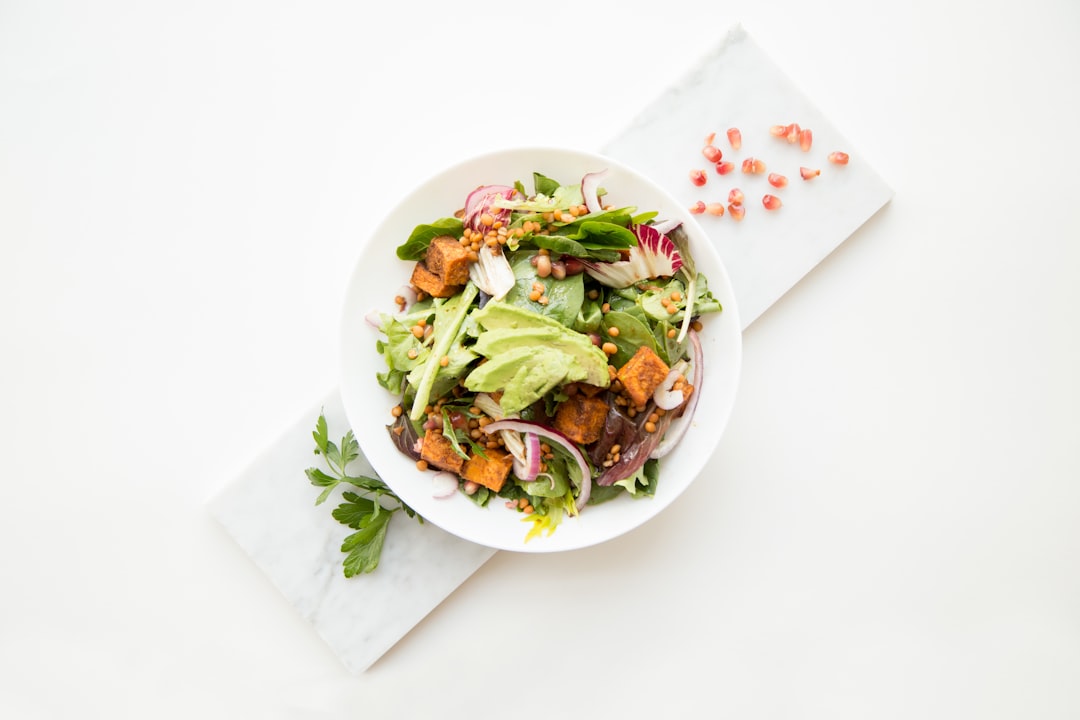
Photo by Hermes Rivera on Unsplash
Last Tuesday, I made pasta from scratch. Fresh egg noodles, homemade marinara sauce, imported Parmigiano-Reggiano. By all accounts, it should have been exceptional. It was... fine. Meanwhile, my local Italian joint—a place with fluorescent lighting and sticky menus—serves a nearly identical dish that makes me close my eyes and forget about work emails.
This wasn't a failure of technique. This was the umami gap, and once you understand it, you'll never taste your kitchen the same way again.
The MSG Misconception That's Ruining Your Home Cooking
Let's start with what you think you know: MSG is bad. Your mom warned you about it. There were health scares in the 1960s. Chinese food restaurants got blamed for "Chinese Restaurant Syndrome." We all grew up understanding MSG as the villain of the food world.
Except none of that is true, and the scientific community figured this out decades ago.
Monosodium glutamate is literally just the sodium salt of glutamic acid, one of the most common amino acids in nature. It occurs naturally in Parmesan cheese, tomatoes, mushrooms, aged meats, and fermented sauces. When you eat a ripe tomato, you're eating MSG. When you grate Parmigiano-Reggiano on your pasta, you're eating MSG. The difference? The restaurant knows exactly how much they're adding, and they're not shy about it.
The health concerns were thoroughly debunked. The FDA maintains GRAS status (Generally Recognized As Safe) for MSG. Studies show it's metabolized identically to the glutamates your body produces naturally. But perception is a stubborn thing, and most home cooks have internalized this fear so deeply that they avoid MSG like it's arsenic.
This avoidance costs you flavor.
What Restaurants Actually Do in the Kitchen (And Why It Works)
Walk into a professional kitchen and watch the mise en place. Everything is prepared, measured, and ready. But notice what's sitting on the counter: fish sauce, soy sauce, Worcestershire sauce, miso paste, anchovy paste, tomato paste, and parmesan cheese. Every single one of these is essentially a umami bomb—concentrated sources of glutamates and nucleotides that trick your brain into perceiving deeper, richer flavor.
Here's the secret restaurants don't advertise: they're building umami into every single dish through layering.
A typical restaurant marinara sauce isn't just tomatoes and garlic. It's tomato paste (concentrated umami), anchovies or fish sauce (serious umami), Parmigiano-Reggiano (umami from aged protein breakdown), and often a pinch of monosodium glutamate or a splash of soy sauce. Each component contributes glutamates. Combined, they create a flavor so rich and complete that your brain immediately recognizes it as "professional food."
The pasta water itself becomes strategic. Restaurants finish sauces by tossing hot pasta directly into the pan with the sauce, allowing the starch from the pasta water to emulsify with the fat and umami-rich liquids. This creates a coating that adheres flavor compounds to every strand. You probably drain your pasta completely, rinse it (horror!), and then mix it with sauce. The textural and flavor difference is staggering.
The Umami Ingredients You're Not Using
You don't need to become a chemistry experiment to close this gap. You need to stop being afraid and start building intentionally.
Keep a bottle of quality fish sauce in your pantry. Not just for Southeast Asian cooking—a teaspoon in beef stew, chili, or tomato sauce creates depth that your guests will feel without identifying. They'll just say, "Wow, what is that?" They won't taste fish. They'll taste richness.
Buy miso paste. White miso is subtle enough to dissolve into broths and sauces. Red miso is more aggressive and works in beef applications. A spoonful adds savory complexity that takes hours of simmering to achieve any other way.
Keep anchovies on hand. I'm serious. Dissolve one or two in hot oil before adding aromatics. The fish completely disappears into the background, leaving only the umami signature.
Use more Parmigiano-Reggiano than you think is reasonable. Save the rind. Throw it into stocks and soups. The aged protein breakdown that creates that crystalline texture? That's concentrated umami waiting to enhance everything.
Consider Why Your Sourdough Starter Died (And What Your Grandmother Knew That You Didn't)—sometimes the oldest food techniques are built around creating umami naturally through fermentation and time.
The Psychology of Restaurant Advantage
But here's something important: restaurants have advantages beyond chemistry. They have salt. Glorious, abundant salt used with abandon. Home cooks under-salt everything because we're terrified of health warnings. Restaurants season in layers, tasting constantly, adjusting obsessively.
Salt doesn't just make food salty. It's the primary flavor amplifier in cooking. It suppresses bitterness, enhances sweetness, and makes savory flavors sing. Restaurant food tastes better partly because it's properly seasoned and partly because umami compounds are salt-activated in your mouth.
They also use better ingredients, but not always in the way you'd think. The butter might be the same brand you buy. The garlic isn't magical. But they use more of everything, waste less, and understand that flavor builds through accumulation, not through individual ingredient quality.
Your First Experiment
Make your next pasta sauce twice. Half with your normal recipe. Half with your normal recipe plus: one anchovy, dissolved in the oil at the start; a teaspoon of fish sauce added at the end; one-quarter teaspoon of MSG (or just add a splash of soy sauce if you can't get past the stigma); and twice as much Parmesan as you normally use.
Taste them side by side.
You'll understand immediately why restaurants seem to possess secret techniques. They don't. They've just abandoned the fears that are holding your cooking back.
Comments (0)
No comments yet. Be the first to share your thoughts!
Sign in to join the conversation.