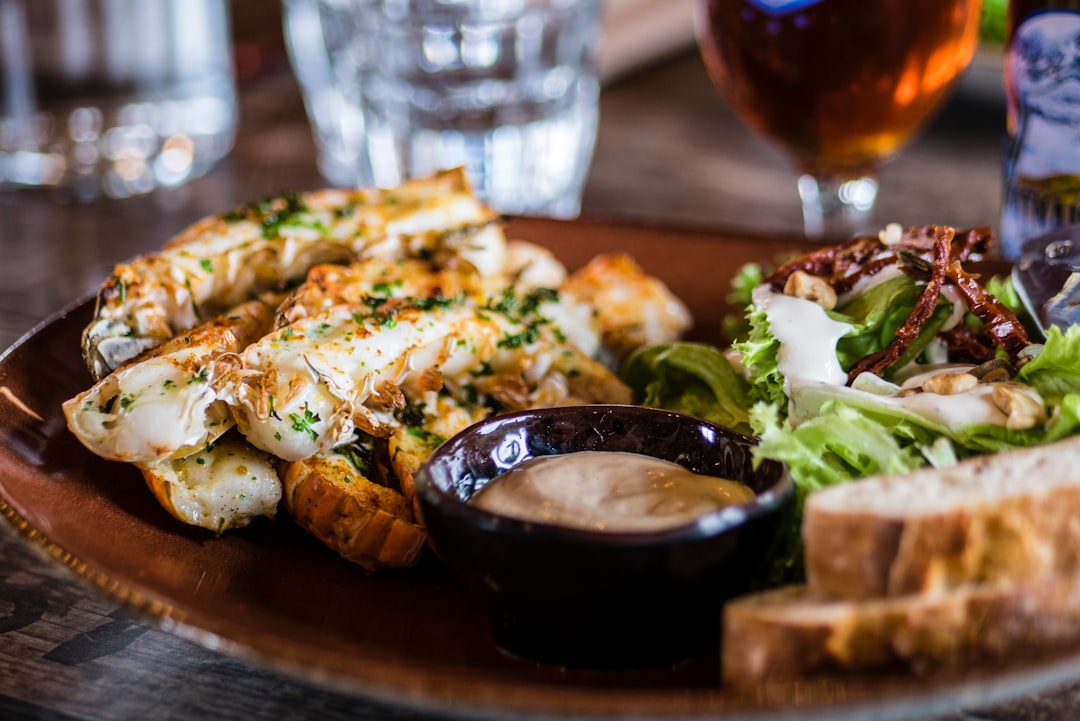
Photo by Davide Cantelli on Unsplash
Last Tuesday, I made the exact same pasta carbonara I'd eaten at a restaurant in Rome three months earlier. I followed the recipe to the letter. Same ingredient ratios. Same technique. Same pan, practically. But when I took that first bite in my kitchen in Portland, something was missing. It tasted... competent. Correct. Boring.
This isn't a skill problem. And it's not because restaurant chefs are magicians. What's actually happening is far more interesting—and fixable—than that. Restaurants are systematically using something that most home cooks ignore almost entirely: umami.
Understanding the Fifth Taste You've Been Missing
Umami isn't a new invention. The word comes from Japan, literally meaning "pleasant taste" or "deliciousness," and it was formally identified in 1908 by chemist Kikunae Ikeda when he was studying kombu seaweed broth. What he discovered was revolutionary: alongside sweet, salty, sour, and bitter, there's a fifth basic taste, and it's triggered by glutamates and nucleotides like MSG.
Here's the crucial part that most home cooks never learn: umami is what makes food taste *rich* and *satisfying*. It's what makes your mouth feel like food has substance and depth. When something tastes "flat," it usually means it's lacking umami, not that it needs more salt or acid or spice.
Think about the difference between a can of generic tomato soup and a bowl of tomato bisque from a good restaurant. Same basic ingredient—tomatoes. But one tastes like colored water, and the other tastes like comfort. The difference is umami. The restaurant version probably contains cream (which has umami), maybe parmesan cheese (which is absolutely packed with it), and possibly a splash of soy sauce or fish sauce that you'd never taste as a distinct flavor but that makes everything taste "more like itself."
Why Restaurants Have a Built-In Advantage
Restaurant kitchens are basically umami factories, whether the chefs realize it or not. They're constantly creating conditions that build umami depth through three main techniques:
Reduction and concentration. When a chef simmers a sauce for hours, they're not just making it thicker—they're concentrating the umami compounds. A sauce that's been reduced by half doesn't just have twice the flavor; it has exponentially more umami intensity. Most home cooks reduce sauces for maybe 10-15 minutes. Professional kitchens? Thirty minutes. An hour. Sometimes more.
Layering proteins. A restaurant stock might be made with chicken bones, beef scraps, fish heads, and vegetables all simmered together for 24 hours. A home cook makes a stock from a single protein if they make it at all. More proteins equals more glutamates, more nucleotides, more umami building blocks.
Fermented and aged ingredients. This is where restaurants really separate themselves. Parmesan cheese. Anchovies. Soy sauce. Fish sauce. Worcestershire sauce. Miso paste. These aren't fancy or expensive—they're just fermented, which concentrates umami naturally. A restaurant kitchen has five or six of these things going into regular rotations. Most home kitchens have... maybe worcestershire sauce, if you're being generous.
The Ingredients That Changed Everything for Me
After I realized this gap, I started experimenting. Not with complicated techniques, but just by adding umami-rich ingredients to my cooking. The results were honestly embarrassing in how obvious the improvement was.
I started keeping a bottle of fish sauce in my pantry. One teaspoon in a beef stew, and suddenly it tasted like the beef stew I'd been craving for years. Not fishy. Just... deeper. More beef-tasting, paradoxically.
I bought decent parmesan cheese—not the green canister stuff, but actual aged parmigiano-reggiano. A few shavings on finished dishes, and everything improved. Pasta. Soups. Even salads.
I got a tube of miso paste from my local Asian market. A tablespoon stirred into beef broth? Game changer. Into salad dressing? Suddenly it tasted restaurant-quality.
I started making my own chicken stock instead of using store-bought, and I let it simmer for at least 12 hours instead of 2. The difference was staggering.
Here's what's interesting: none of these changes took more skill. None of them required special equipment or training. They just required knowing the secret that restaurants learned decades ago.
The Practical Guide to Cooking Like a Restaurant
You don't need to overhaul your cooking overnight. Start with three changes:
First, buy umami ingredients. Fish sauce. Miso. Good parmesan. A bottle of soy sauce. Worcestershire sauce. Keep them in your kitchen. You don't need all of them, but pick two or three and learn how to use them. One teaspoon changes everything.
Second, reduce your sauces more than feels natural. When a recipe says "simmer for 10 minutes," try 20. When it says 20, try 40. The sauce might get thicker—that's fine, add a splash of water. But the flavor will intensify in ways that salt and acid simply cannot replicate.
Third, invest in stock. Buy good quality stock, or make your own and freeze it. Use it as the base for soups, sauces, and grains. A risotto made with water tastes sad. A risotto made with homemade stock tastes like something you'd order at a restaurant.
If you want to go deeper, check out why your sourdough starter died and what your grandmother knew—because grandmothers also understood the power of building flavor through time and tradition, even if they didn't know the word "umami."
Why This Matters More Than You Think
This isn't just about making better food, though obviously that's nice. It's about the fact that you've been cooking with one hand tied behind your back. For years. The difference between "good enough" home cooking and restaurant-quality cooking often comes down to this one concept that isn't widely taught.
Once you understand umami, you stop blaming yourself for your cooking tasting flat. And you stop thinking restaurants have some magical secret. They just know that the fifth taste exists, and they use it systematically.
Make that carbonara again tonight. Add a teaspoon of fish sauce to your sauce base. Let your sauce reduce longer than the recipe says. Finish it with good parmesan. Then taste it.
You'll understand immediately why restaurant food has always tasted better. And more importantly, you'll know exactly how to fix it.
Comments (0)
No comments yet. Be the first to share your thoughts!
Sign in to join the conversation.