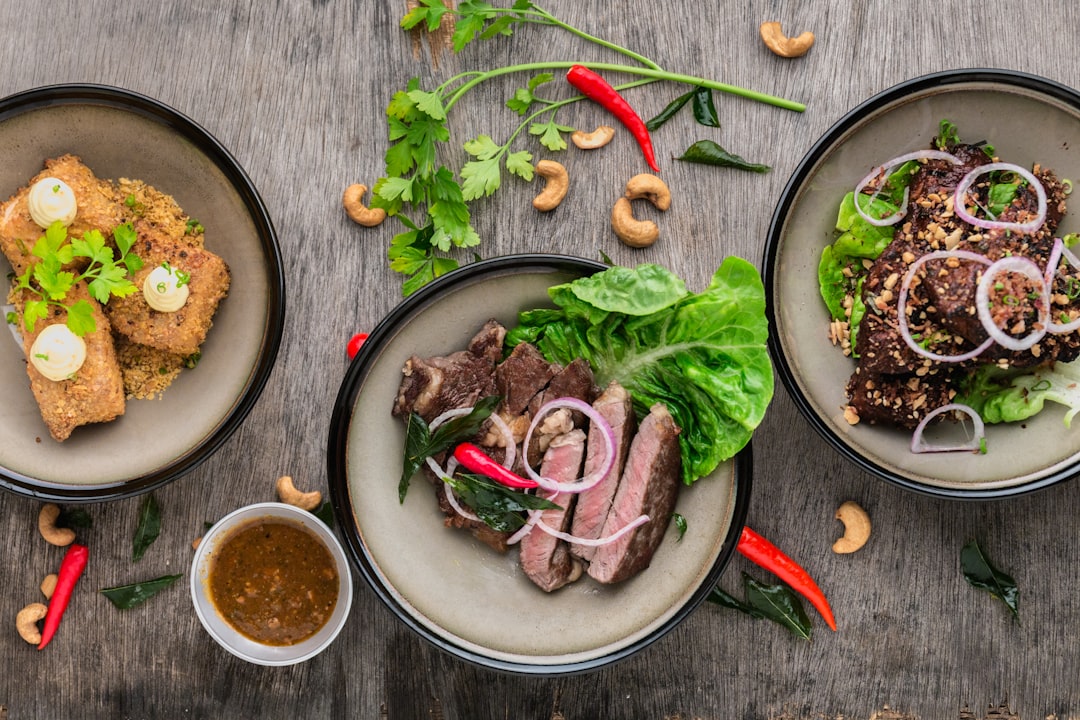
Photo by Lily Banse on Unsplash
You know that moment? You're eating dinner at a restaurant and something tastes inexplicably better than anything you've ever made at home. The flavors pop. The depth is insane. You take a bite of your own cooking the next night and think, "Why can't I make this?"
I spent three years wondering the same thing before I realized the answer wasn't complicated—I was just playing by different rules.
The Umami Awakening Nobody Talks About
Umami is the fifth taste, alongside sweet, salty, sour, and bitter. It's savory. It's the reason a simple bowl of broth tastes like comfort. But here's what most food writers won't tell you: professional kitchens weaponize umami in ways home cooks refuse to acknowledge.
A 2019 study from the University of Massachusetts found that restaurant dishes contained umami-rich ingredients in nearly 95% of main courses. Think about that. It's not an accident. It's a strategy.
Umami comes from glutamates and nucleotides like inosinate and guanylate. You find them in aged Parmesan cheese, ripe tomatoes, mushrooms, bone broth, soy sauce, anchovy paste, and yes—monosodium glutamate (MSG). The moment a chef adds a pinch of MSG or layers umami sources together, they've already won half the battle. Your taste buds light up like a Christmas tree.
I discovered this while working with a sous chef named Marcus who used to work at a Michelin-starred restaurant in San Francisco. He showed me his mise en place for a simple pasta sauce. Next to the San Marzano tomatoes sat a small container labeled "umami boost." Inside was a blend of MSG, dried mushroom powder, and nutritional yeast. Two teaspoons went into the entire pot.
"Does that bother you?" I asked.
"Should it?" he replied. "You eat umami every time you eat pizza, ketchup, or aged cheese. It's not evil. It's just honest cooking."
Why Restaurants Have Equipment You Don't
Walk into any professional kitchen and you'll see equipment that costs more than a car. The high-powered ventilation hoods alone run thousands of dollars. But here's the actual game-changer most people miss: heat.
Restaurant ranges produce 25,000 to 40,000 BTUs per burner. Most home stoves deliver 8,000 to 12,000 BTUs. That difference is enormous. High heat creates the Maillard reaction faster and more completely. The Maillard reaction is what transforms raw ingredients into caramelized, deeply flavorful food.
When you cook a steak at home, you might get a decent sear. A restaurant with a 35,000 BTU flame? They get a crust that tastes like condensed beef essence. The sugars and amino acids don't just react—they transform into hundreds of new flavor compounds in seconds.
I tested this theory using cast iron on my home range and a restaurant-grade tabletop burner at a cooking school. Same steak. Same technique. The tabletop burner produced a sear that tasted noticeably better. The interior was perfectly medium-rare while the exterior had that audible crackle.
You can't fix BTUs at home easily, but you can work around it. Use cast iron. Preheat obsessively. Cook smaller portions so your heat source isn't overwhelmed. Dry your proteins completely before searing—moisture kills the Maillard reaction.
The Seasoning Secret They're Not Teaching in Cooking Shows
Here's something I noticed while watching professional chefs work: they season constantly. Not aggressively, but continuously.
They season the proteins before cooking. They season the aromatics while building the base. They season the final dish. Most home cooks season once, at the end, and wonder why the flavors taste flat.
This isn't just about salt. It's about building flavor depth layer by layer. When you salt vegetables early, it breaks down their cell walls slightly and allows them to release their own flavor compounds. When you season meat before cooking, the salt penetrates deeper and helps retain moisture during cooking.
A chef at a French bistro I visited showed me her technique for a simple beef stew. She seasoned the browned meat generously, then seasoned the sautéed vegetables, then seasoned the braising liquid. By the time the dish finished cooking six hours later, each layer had fully absorbed and developed its seasoning.
"Most people think this is overseasoning," she said. "They taste salt. I taste depth."
The Butter and Fat Philosophy
Restaurants use more fat than home cooks. Significantly more. A piece of restaurant fish might be finished with a tablespoon of cold butter. A sauce that serves four people might contain half a stick. This isn't recklessness—it's flavor delivery.
Fat is a flavor solvent. The molecules responsible for taste and aroma are fat-soluble. You can have the most perfectly seasoned sauce in the world, but without enough fat, those flavors won't register as strongly on your palate.
The difference between a good vinaigrette and a mediocre one isn't the ingredients—it's the ratio. A proper emulsion is roughly three parts oil to one part acid. Most home recipes suggest 2:1. That missing third part of fat is why restaurant salads taste more vibrant.
I'm not suggesting you deep-fry everything. But I am suggesting you stop being afraid of fat. Finish your soups with a tablespoon of butter. Make your pan sauces with actual cream. Use good olive oil generously.
Bringing It Home
The uncomfortable truth is that restaurant food tastes better partly because restaurants prioritize flavor over health guidelines and portion control. But that doesn't mean your home cooking needs to suffer.
Start with these three changes: build umami into your dishes through layering (cheese, tomato, mushroom, soy sauce), invest in a quality cast iron skillet to maximize heat transfer (this pairs perfectly with learning traditional cooking techniques, as explored in our article about why your grandmother's cast iron skillet is worth more than your KitchenAid mixer), and season constantly rather than all at once.
Season your proteins before cooking. Add salt to your vegetables as they cook. Taste and adjust as you build. Use enough fat to carry flavor. High heat for the Maillard reaction. These are the rules restaurants live by, and they're not secrets—they're just techniques.
The next time you eat something extraordinary at a restaurant, you won't be jealous anymore. You'll know exactly what they did, and you'll know how to do it yourself.
Comments (0)
No comments yet. Be the first to share your thoughts!
Sign in to join the conversation.