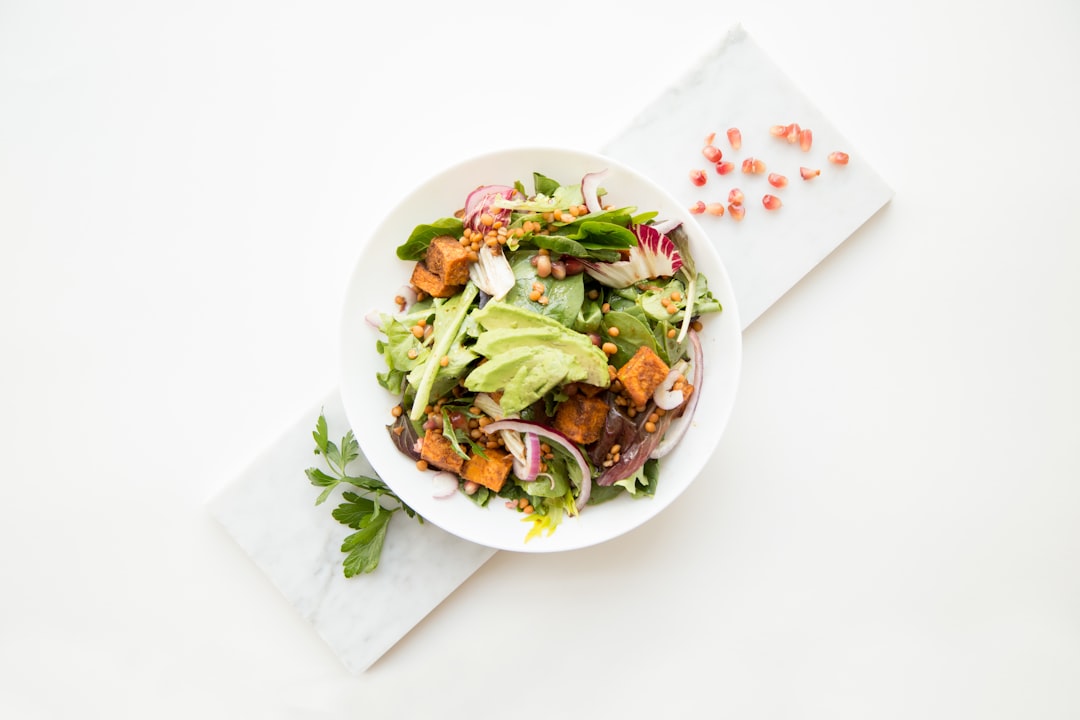
Photo by Hermes Rivera on Unsplash
You've experienced it dozens of times. You order a simple pasta with tomato sauce at a restaurant, and it tastes like pure heaven. You go home, follow the exact same recipe, buy the same brand of pasta, and somehow yours tastes... flat. Disappointing. Like it's missing something essential, though you can't quite name it.
That invisible something has a name: umami. And once you understand this fifth taste—alongside sweet, salty, sour, and bitter—you'll never look at home cooking the same way again.
What Exactly Is Umami (And Why Have You Never Heard About It)?
Umami comes from Japanese, meaning "pleasant savory taste." It was formally identified by chemist Kikunae Ikeda in 1908 when he was studying the flavor compounds in kombu seaweed broth. He noticed something distinctly different from the other four recognized tastes—a deep, mouth-coating savory sensation that made your taste buds sit up and pay attention.
Umami comes from glutamates and nucleotides, particularly monosodium glutamate (MSG) and compounds like inosinate and guanylate. When these molecules bind to specific taste receptors on your tongue, they send a signal to your brain that screams: this is important food. Eat more of it.
Here's the kicker: chefs have known about umami for centuries, even if they didn't call it that. They just understood that certain ingredients made food taste more satisfying, more crave-worthy, more like something worth paying $28 for at a restaurant.
Why Restaurants are Umami Machines (and Your Kitchen Isn't)
Walk into the kitchen at any respectable restaurant, and you'll notice something immediately: they're cooking with umami layered into nearly everything. It's not an accident. It's strategy.
Let's take that simple tomato sauce example. At home, you might simmer tomatoes with garlic, olive oil, and salt for 20 minutes. A professional chef, meanwhile, is building umami on umami. They'll add Parmigiano-Reggiano—aged hard cheeses are absolutely loaded with glutamates. They'll include a small anchovy or two (umami bomb, though you won't taste fishiness). They might add a pinch of MSG or use stock instead of water. Some chefs add a spoonful of miso paste. They're hitting you from all directions with savory satisfaction.
The difference isn't skill or magic. It's intentional umami accumulation.
Consider the numbers: a fresh tomato contains about 140 mg of glutamates per 100 grams. San Marzano tomatoes, which restaurants favor, contain around 1,100 mg per 100 grams. Already you're starting ahead. But add aged Parmesan (1,200 mg per 100g), and suddenly your sauce has a savory depth that fresh tomatoes alone simply cannot achieve.
This isn't about adding artificial flavoring. It's about understanding which whole foods are naturally rich in umami and combining them strategically. Just as traditional cooking methods like fermentation unlock flavors your grandmother knew about instinctively, umami layering is an ancient technique dressed up in modern food science language.
The Natural Umami Pantry: Ingredients That Change Everything
You don't need MSG (though it's perfectly safe, despite decades of misinformation). You need to stock your kitchen with umami-rich whole foods.
Start with aged cheeses. Parmigiano-Reggiano, Pecorino Romano, aged cheddar—the longer they've aged, the more glutamates have developed. Keep a wedge in your fridge and use it generously. A small handful grated over vegetables, soup, or eggs transforms them.
Tomato paste is umami liquid gold. Since it's concentrated tomato with much of the water removed, the glutamate concentration skyrockets. Just one tablespoon in your sauce or stew multiplies the savory impact exponentially.
Then there's miso. A teaspoon of white miso in a broth, soup, or even a dressing adds a savory depth that seems impossible from such a small amount. It's fermented, which means umami compounds have developed over months or years.
Soy sauce, fish sauce, and Worcestershire sauce are umami concentrates. A dash of any of these doesn't make food taste fishy or salty (if you use restraint). It just makes it taste more like itself.
Anchovies deserve their own mention because people are scared of them. You won't taste fish in a tomato sauce when you've dissolved an anchovy into the oil. What you'll taste is complexity—a mysterious something that makes people ask for the recipe. Anchovies are just fermented fish glutamates waiting to be your secret weapon.
Mushrooms, especially dried ones, are packed with guanylate (another umami nucleotide). Rehydrate dried porcini in water and use both the mushrooms and the soaking liquid in risottos, soups, or braises.
Even beef broth is an umami play—the long simmering extracts glutamates from collagen and bones, which is exactly why homemade broth tastes worlds better than water-based versions.
The Restaurant Technique You Can Use Tonight
Start simple. Make your usual dinner—let's say a beef stew. But before serving, stir in a tablespoon of miso paste or a teaspoon of fish sauce. Taste it. The flavor will suddenly feel more complete, more restaurant-quality.
Next time you make pasta, don't just use butter. Use butter plus grated Parmesan plus a single anchovy mashed into the fat. Cook pasta water until it's starchy and use it to make an emulsion. This is essentially what restaurants do for cacio e pepe—the most umami-forward pasta dish ever conceived.
For soups, always layer. Start with aromatics, build in tomato paste or miso, add a splash of soy sauce or fish sauce if it fits the cuisine, finish with Parmesan or another aged cheese. Taste between each addition. This is umami architecture.
The psychological shift matters too. Once you start noticing umami ingredients, you'll see them everywhere in professional cooking. Suddenly you'll understand why your local Italian restaurant's minestrone tastes incredible while yours tastes like hot vegetable water. They're using stock, they're including Parmigiano, they're adding tomato paste. They're not cooking differently. They're cooking with intention.
The Bottom Line
Your home cooking doesn't taste worse than restaurant food because you lack skill. It tastes different because you're not intentionally building umami. The good news? This is instantly fixable. Stock your pantry with umami ingredients, taste as you cook, and layer flavors deliberately. Within weeks, people will start asking if you've been taking cooking classes.
The restaurant wasn't holding out on you. They were just speaking a language your taste buds understood instinctively, even if your conscious mind didn't have a name for it.
Comments (0)
No comments yet. Be the first to share your thoughts!
Sign in to join the conversation.