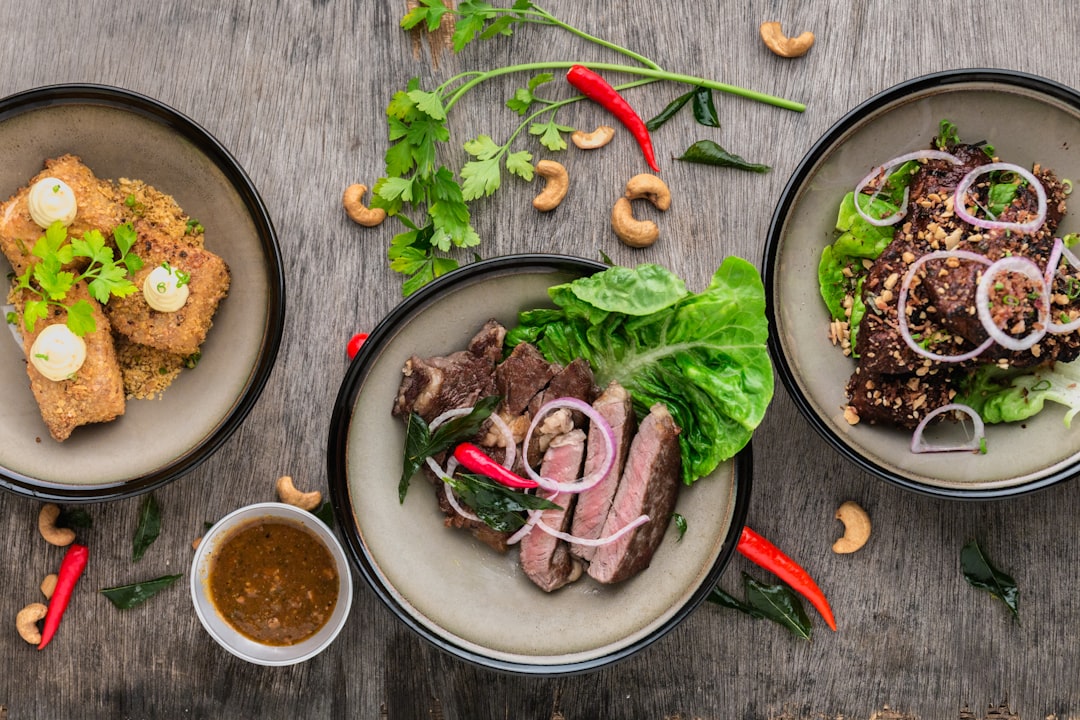
Photo by Lily Banse on Unsplash
You cook the exact same dish at home that you had last week at that Italian place downtown. The ingredients match. The technique seems identical. Yet somehow, yours tastes flat. Disappointingly flat. Meanwhile, the restaurant version still haunts your taste memory with its savory depth and inexplicable richness.
This isn't magic. It isn't that professional chefs are inherently better than you. What's actually happening is far more interesting—and once you understand it, you'll never cook the same way again.
The Fourth Taste Nobody Taught You About
Most people grew up learning about four tastes: sweet, salty, sour, and bitter. Then in 1908, Japanese chemist Kikunae Ikeda discovered a fifth, and it changed everything. He called it umami, which literally means "pleasant taste" in Japanese. But umami isn't just pleasant—it's the taste equivalent of a magic button that makes food feel complete, satisfying, and crave-worthy.
Umami comes from glutamates and nucleotides like inosinate and guanylate. When these compounds hit your taste receptors, your brain doesn't register them as a distinct flavor the way it does with salt or lemon. Instead, umami amplifies everything else. It rounds out flavors. It creates that mouth-filling sensation that makes you want another bite immediately.
Here's where restaurants get sneaky: they weaponize umami. Not through witchcraft, but through systematic addition of glutamate-rich ingredients that most home cooks either ignore or actively avoid.
What Restaurants Are Doing (That You're Not)
The average restaurant doesn't cook dramatically differently than a home kitchen. The equipment is bigger. The heat sources are more powerful. But the fundamental techniques? Pretty standard. What actually separates restaurant food from home food is the aggressive use of umami-boosting ingredients.
Take a simple tomato sauce. At home, you might sauté onions, add canned tomatoes, throw in some basil, and call it done. A restaurant does something different. They'll add tomato paste—which concentrates the umami by reducing water content and intensifying glutamate concentration. They'll stir in parmesan rinds that have been simmering in the background. They'll finish with anchovy paste so subtle you can't identify it, only taste that inexplicable depth.
This isn't deception. It's strategy. According to umami researcher Paul Rozin at the University of Pennsylvania, restaurants understand that customers will pay premium prices for food that keeps them coming back, and umami is the neurological button that makes that happen. A 2019 study published in *Appetite* found that dishes enhanced with umami compounds were rated as significantly more satisfying, even when calorie content remained identical.
MSG gets a particularly bad rap despite being the most efficient umami delivery system. The ingredient became demonized in America through a combination of 1960s xenophobia and a single anecdotal letter to a medical journal—a letter that science has since thoroughly debunked. Meanwhile, restaurants worldwide have quietly continued using it because it works. A quarter-teaspoon of MSG in your beef stew does what would otherwise require hours of reduction or pounds of extra beef.
The Fat Question Nobody Wants to Discuss
But umami is only half the story. The other half is fat, and it's where home cooks universally fail.
Restaurants use butter, oil, and animal fat with abandon. A typical restaurant butter content in dishes would horrify most home cooking guides. They don't do this to be indulgent—they do it because fat is a flavor vehicle and a texture creator. Fat carries flavor compounds that water-soluble ingredients can't reach. It coats your mouth in a way that makes everything taste richer. It's why restaurant pasta tastes creamy even without cream.
Most home cooks have been trained to fear fat. We've internalized the message that less fat equals healthier cooking. So we use two tablespoons of olive oil where a restaurant would use six. We skip the butter finish. We choose lean cuts of meat. The result? Food that tastes technically correct but emotionally unsatisfying.
Your Action Plan: Cook Like a Restaurant
Start with umami. Before you finish any savory dish—soup, sauce, braise, stew—taste it critically. Does it feel one-dimensional? Does it lack that satisfying depth? Add one of these: a small amount of MSG (yes, really), a splash of soy sauce or fish sauce, a pinch of miso, or the rind of parmesan cheese simmered in the liquid. Start small. You're not trying to make food taste salty or fishy; you're trying to amplify what's already there. The transformation is immediate.
Next, embrace fat. Add a knob of butter to your finished sauce. Cook your vegetables in oil that seems excessive. Use fattier cuts of meat. Track how your food transforms when you stop treating fat as the enemy. You'll eat less overall because your brain will register satiation faster, but the food will taste incomparably better.
Finally, understand that restaurant cooking isn't about complexity. If you want more insight into how to master fundamental cooking technique, read about the tools that actually matter in your kitchen. It's about understanding the non-negotiable elements: proper umami, sufficient fat, and the confidence to use both without guilt.
That restaurant dish you couldn't replicate? You can absolutely make it now. You just needed permission to cook like someone who cares more about deliciousness than dietary dogma.
Comments (0)
No comments yet. Be the first to share your thoughts!
Sign in to join the conversation.