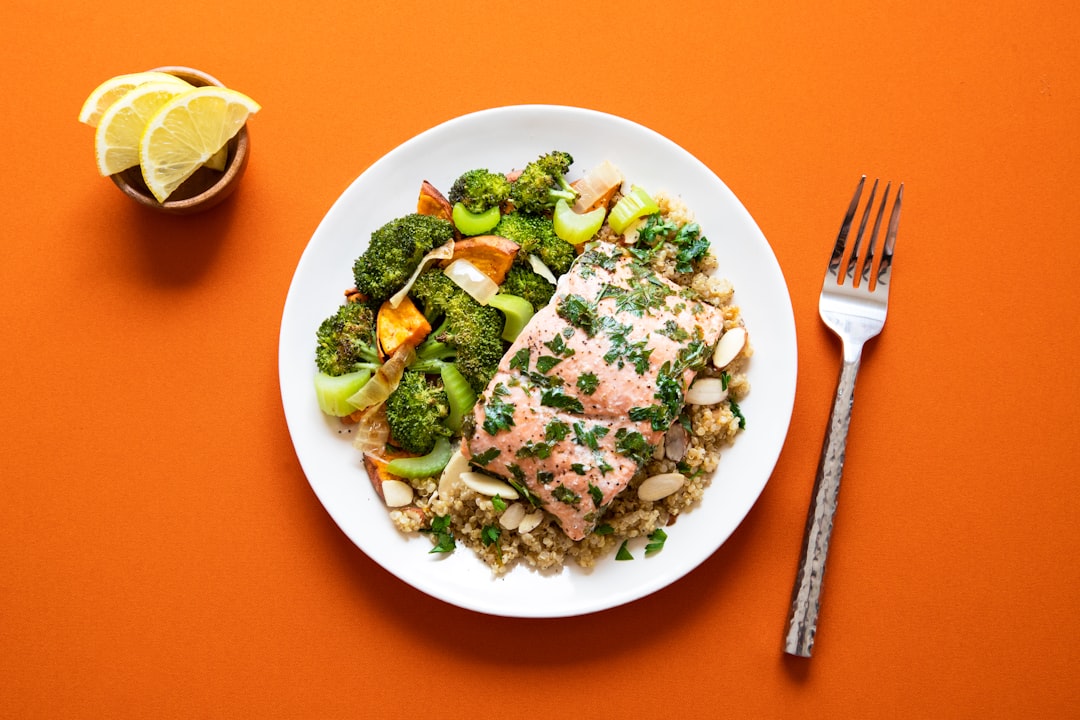
Photo by Ella Olsson on Unsplash
You know that moment when you order something at a restaurant, take a bite, and think: "Why can't I make this at home?" Your recipe is identical. Your ingredients came from the same grocery store. You followed the instructions perfectly. Yet somehow, the restaurant version tastes like it belongs in a completely different category of food.
The answer isn't fancy equipment or mysterious techniques. It's umami, and restaurants have been weaponizing it for years while home cooks remain blissfully unaware.
What Umami Actually Is (And Why You've Never Heard of It)
Most of us learned about four tastes in school: sweet, salty, sour, and bitter. Umami was left out of the curriculum, which is criminal considering it's arguably the most important taste for making food actually taste good. The word itself comes from Japanese, meaning "pleasant savory taste." It's the flavor you experience when glutamates and nucleotides—specifically MSG and nucleotides like inosinate and guanylate—hit your taste receptors.
Here's the thing that blew my mind when I discovered it: umami isn't a flavor you taste on top of other flavors. It's a flavor amplifier. It makes everything taste more like itself. A tomato tastes more tomatoey. Meat tastes meatier. Cheese tastes cheesier.
The FDA officially recognized umami as a basic taste in 2000, but most home cooks are still living in a pre-umami food world. Meanwhile, professional kitchens have been quietly adding umami-rich ingredients to almost everything, and nobody's really talking about it.
The MSG Panic That Changed Everything
Before we can understand why restaurants cook differently, we need to address the elephant in the room: the great MSG fear of the 1970s. A letter published in the New England Journal of Medicine blamed monosodium glutamate for "Chinese Restaurant Syndrome," and suddenly this naturally occurring compound became public enemy number one.
The irony is that MSG appears naturally in almost everything delicious. Aged Parmesan cheese contains about 1,200 mg of glutamates per 100 grams. Tomatoes have roughly 150 mg per 100 grams. Mushrooms, soy sauce, anchovies, beef stock—all naturally packed with glutamates. Yet somehow, we decided that the isolated, crystallized version was dangerous while the naturally occurring versions were fine.
Scientists have since debunked the link between MSG and any health problems. Multiple studies found no difference between MSG and a placebo in causing adverse reactions. But the damage was done. Home cooks became terrified of anything that mentioned MSG, while restaurants quietly moved forward with their umami strategies, often just using "natural" umami sources instead of the pure compound.
How Restaurants Actually Cook (The Secrets They Won't Teach You)
Walk into any professional kitchen and you'll see mise en place, proper knife skills, and temperature control. But you'll also see something else: bottles and containers of umami-boosters that rarely appear in home kitchens.
That brown fond stuck to the bottom of the pan after searing a steak? Restaurants aren't discarding it. They're deglazing with wine or stock and creating a sauce that's umami-on-umami. The "secret ingredient" in that restaurant pasta sauce? Probably anchovy paste—just a teaspoon per quart, completely undetectable to most palates, but absolutely transformative.
The chicken stock simmering in restaurant kitchens isn't just water and bones. It's been enriched with tomato paste, soy sauce, or miso—all umami-dense ingredients. One chef I spoke with admitted to adding a tiny pinch of MSG to his beef stew, and when I tasted it blind against his version without it, I couldn't identify which was which. But I could taste that the one with MSG tasted like a richer, more satisfying version of beef stew.
Here's what amazed me most: none of these techniques are complicated. They're not about specialized training or expensive equipment. They're about understanding the science of flavor and using umami strategically.
How to Bring Restaurant Umami into Your Kitchen
The practical application is surprisingly simple. You have options depending on how comfortable you are with MSG itself, but I'll give you both routes.
Start with the "natural" umami sources because they're less controversial and honestly, they work beautifully. Keep anchovy paste in your pantry. You don't need much—a quarter teaspoon in a pot of soup creates incredible depth without any fishiness. Add a tablespoon of miso paste to beef stew. Use Parmesan rinds in your stock (this is literally what restaurants do). Make a quick dashi with kombu seaweed and bonito flakes for Asian dishes.
If you want to embrace MSG directly, it's available in regular grocery stores under the name "Accent" or online as pure MSG. Use it like you would salt: a tiny pinch (about 1/8 teaspoon per serving) in dishes that need more depth. Serious Eats conducted a taste test that showed even professional cooks couldn't reliably identify whether food contained MSG when the quantity was appropriate.
The real secret is understanding when to deploy these weapons. Umami works best in savory dishes, particularly those built on protein or vegetables. That's why it seems to matter more in restaurant cooking—they're not suddenly adding umami to desserts. They're building it into broths, sauces, and dishes where depth and satisfaction matter most.
The Missing Piece of Your Home Cooking Puzzle
If you've been following recipes perfectly but feeling like something's missing, umami is probably the answer. This isn't about shortcuts or cheating. It's about understanding flavor science the same way professional chefs do.
The next time you cook, try this experiment: make your usual soup or stew, but add a teaspoon of soy sauce or a pinch of miso during the last few minutes of cooking. Don't tell anyone what you added. Just watch their reaction when they taste something familiar that suddenly tastes significantly better.
That moment when someone says "What did you do differently?"—that's not magic. That's you finally understanding what restaurants have known all along. And once you understand it, you can't un-know it. Every time you taste something exceptional, you'll recognize umami's fingerprints.
For more tips on improving your cooking fundamentals, check out why your grandmother's cast iron skillet is worth more than your Kitchen Aid mixer—sometimes the oldest techniques are the ones that matter most.
Comments (0)
No comments yet. Be the first to share your thoughts!
Sign in to join the conversation.