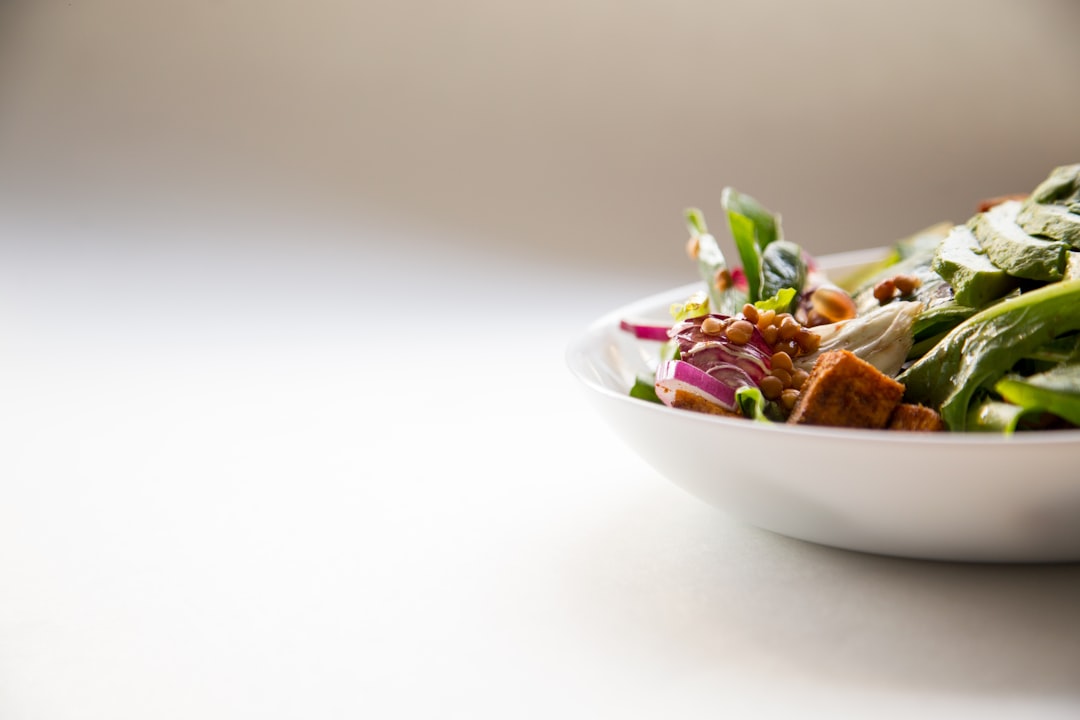
Photo by Hermes Rivera on Unsplash
You know that feeling. You bite into a dish at your favorite restaurant and think, "Why does this taste so much better than when I make it at home?" Your ingredients are the same. Your technique isn't terrible. Yet somehow, the restaurant version sings while yours just... exists.
The culprit? Umami. That fifth taste sitting quietly alongside sweet, salty, sour, and bitter. And once you understand how restaurants weaponize umami, you'll never cook the same way again.
The Fifth Taste Nobody Taught You About
Umami (Japanese for "pleasant taste") was officially recognized as a distinct taste in 1908 by Japanese chemist Kikunae Ikeda. He was studying the flavor of kombu seaweed broth when he noticed it triggered a unique sensation—not sweet, salty, sour, or bitter, but something completely different. Something savory. Something crave-worthy.
That something was glutamate, an amino acid that hits specific receptors on your tongue. When your taste buds detect glutamate (or a compound called inosinate), your brain lights up like a Vegas casino. Your mouth waters. You want more. This is why MSG became so powerful in cooking—it's literally pure glutamate, the umami on steroids.
But here's what blew my mind: umami isn't some exotic ingredient you need to hunt down. It's already in your kitchen. You're just not using it strategically.
The Sneaky Sources Chefs Don't Want You to Know About
Walk into any professional kitchen and you'll find a pattern. Chefs build umami into every dish through layering—stacking one umami source on top of another until the flavors become almost hypnotic.
Take Parmesan cheese. It's loaded with glutamate. In fact, aged Parmesan contains nearly as much free glutamate as MSG itself. A single sprinkle transforms a bland pasta from "meh" to "I need more." Tomatoes? Packed with glutamate, especially when cooked down or aged. Fish sauce, soy sauce, miso paste, anchovies, mushrooms (particularly dried porcini)—these aren't fancy ingredients. They're umami grenades.
A restaurant doesn't just throw these ingredients randomly into a dish. They layer them. A typical pan sauce might start with caramelized onions (umami through browning), add beef broth (umami from bone marrow and collagen), finish with a touch of soy sauce (umami from fermentation), and garnish with fresh herbs. Each component amplifies the others. The result is flavor so deep and satisfying that you can't stop eating.
Home cooks typically use one umami source per dish, if any. A splash of soy sauce here, maybe some Parmesan there. But rarely do they layer. That's the gap.
How Your Palate Gets Hijacked (In the Best Way)
There's also technique involved. Restaurants build umami through Maillard reactions—that golden-brown crust on a steak that tastes infinitely better than the grey meat inside. They caramelize onions until they're nearly black. They brown meat aggressively before braising. They reduce sauces until they're thick, glossy, and concentrated.
These cooking methods don't just create flavor compounds. They concentrate existing glutamate. A piece of beef contains some umami naturally. Sear it hard, deglaze the pan with wine and broth, reduce it down—now you've concentrated that umami several times over.
Temperature also matters more than most home cooks realize. Umami receptors are most sensitive around 104°F (40°C). That's why room-temperature food tastes flat. That's why restaurant kitchens are obsessed with keeping food at precise temperatures. It's not just about safety or texture. It's about hitting that sweet spot where your taste buds are most receptive to umami signals.
The Practical Playbook for Your Kitchen
So what do you actually do differently tomorrow?
Start with your base. Instead of using plain water or weak broth, use proper stock—preferably one you've simmered for hours. Buy a container of miso paste and keep it in your fridge. It costs five dollars and lasts months. A tiny spoonful in soups, stews, or even salad dressings adds depth that's impossible to achieve otherwise.
Keep Parmesan rinds. Save them. Throw them into simmering stocks. The umami compounds leach into the liquid. You're creating restaurant-quality broth at home for essentially free.
Invest in two bottles: soy sauce and fish sauce. Learn to use them not as "Asian" ingredients, but as flavor anchors. A teaspoon of fish sauce in beef stew? Nobody will taste fish. They'll just taste "why is this so good?"
Brown your meat. Actually brown it. Don't crowd the pan. Let it develop that golden crust. This single habit separates home cooking from restaurant cooking more than anything else.
Taste and adjust. Restaurants taste constantly. Add a pinch of salt, a squeeze of lemon, a splash of soy sauce, a grating of Parmesan. Each adjustment is hitting those umami receptors differently.
If you want to dive deeper into fermentation's role in building umami, check out how sourdough fermentation develops complex flavors—the same principles apply to any fermented ingredient.
The Truth That Changes Everything
Restaurant food doesn't taste better because chefs are geniuses. They taste better because restaurants understand a basic truth: umami is the most addictive taste on the planet, and it's built through intention and layering.
You don't need fancy equipment. You don't need exotic ingredients. You need to understand what umami is, where it lives, and how to combine it with heat and technique.
Start tonight. Brown your protein. Build a richer sauce. Add one umami element you wouldn't normally use. Taste the difference.
I guarantee you'll notice. Your food will suddenly taste like restaurant food. And once your brain recognizes that flavor, you'll never go back to cooking the old way again.
Comments (0)
No comments yet. Be the first to share your thoughts!
Sign in to join the conversation.