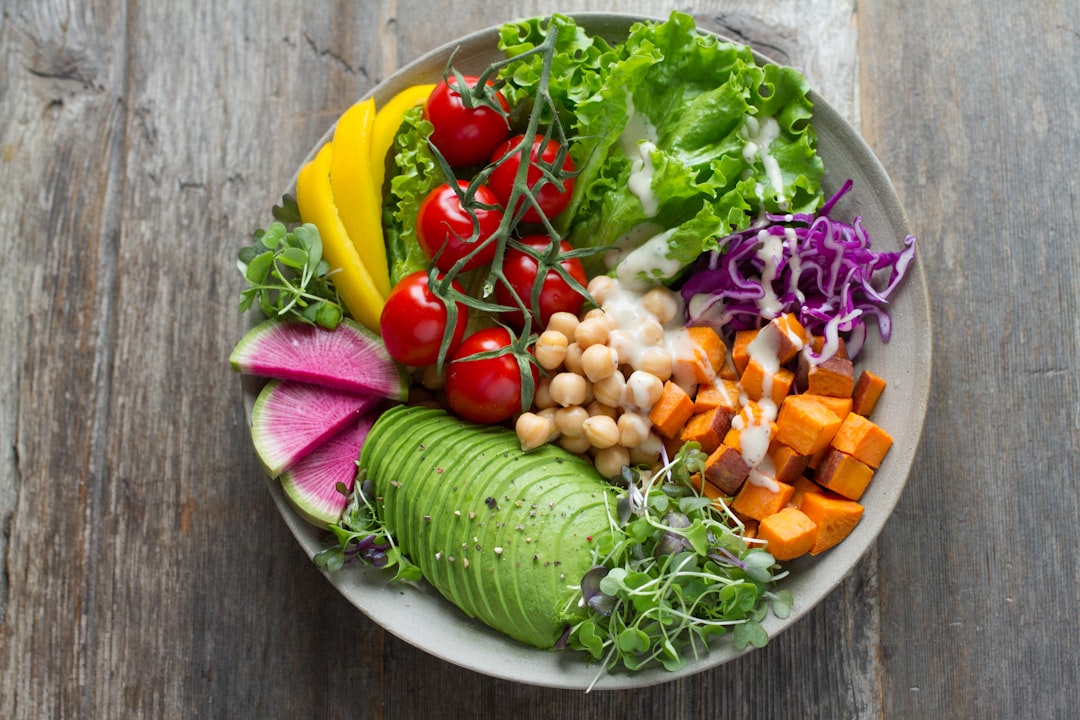
Photo by Anna Pelzer on Unsplash
The Mystery of the Restaurant Advantage
You've experienced it a thousand times. You order a simple pasta dish at your favorite restaurant, and it tastes like nothing you've ever made at home. The tomato sauce somehow tastes more tomatoey. The olive oil tastes richer. Even the salt seems to hit differently. So you go home, pull up the exact same recipe, follow the instructions precisely, and produce something that's... fine. Not bad, but distinctly not restaurant-grade. What's happening here isn't magic—it's chemistry, specifically the chemistry of umami, and restaurants have been weaponizing it for decades while home cooks fumble around in the dark.
The frustration is real, and it's not your fault. Professional kitchens operate under a completely different set of rules than home kitchens, and the most important rule involves understanding and leveraging umami—that mysterious fifth taste that makes food taste like itself, but better.
Understanding Umami: The Taste You Don't Know You're Tasting
Umami literally means "pleasant taste" in Japanese, which is either the most poetic or most useless food descriptor ever created. It's the savory quality you taste when you bite into aged parmesan, sip a bone broth, or consume anything with glutamates and nucleotides like inosinate and guanylate. Your tongue has specific receptors for umami just like it does for sweet, salty, sour, and bitter, yet somehow this fact barely registers in most home cooking education.
Here's what makes umami different: it doesn't announce itself loudly like sweetness or sourness. Instead, it works quietly in the background, making everything taste more like itself. A tomato sauce with umami doesn't taste like tomato-plus-something-else. It tastes like the platonic ideal of tomato sauce. This is why people taste your restaurant-quality cooking and say things like, "I don't know what you did differently, but it tastes amazing." They can't identify it because umami doesn't have a distinct flavor—it's a flavor amplifier.
The science backs this up. Studies show that umami compounds can enhance flavor perception by up to 30 percent without adding any actual flavor. It's pure perception manipulation at the molecular level, and restaurants absolutely understand this.
The Restaurant Secret Weapon: Ingredient Layering
Walk into any professional kitchen, and you'll notice something immediately: they use more ingredients than you do. Not because they're more creative, but because they're stacking umami sources like a poker player stacking chips. A restaurant bolognese isn't just meat and tomatoes. It's meat (inosinate), tomatoes (glutamates), parmesan (more glutamates and nucleotides), stock (glutamates from long cooking), and often anchovies or fish sauce (buried umami bombs). Each ingredient brings its own umami profile, and together they create something that tastes so complete, so satisfying, that you keep taking another spoonful.
The common umami sources are surprisingly simple: Parmigiano-Reggiano, tomatoes, mushrooms, soy sauce, fish sauce, anchovies, miso, beef stock, chicken stock, and aged meats. Most restaurant dishes use at least three of these. Most home-cooked meals use one, if any.
Consider a basic beef stew. A home cook might use beef, potatoes, carrots, onions, and salt. A restaurant will use beef (inosinate), beef stock (cooked-down glutamates), tomato paste (glutamates), soy sauce or fish sauce (glutamates and nucleotides), mushrooms (glutamates), and maybe some miso paste stirred in at the end. Same meal, completely different flavor profile.
The Practical Umami Kit for Your Kitchen
You don't need to completely overhaul your cooking style or start using weird ingredients you can't pronounce. Start with these five umami essentials and watch your food transform overnight.
Parmigiano-Reggiano: The real stuff, not the green canister. It's expensive per ounce but transforms pasta, soups, and vegetables. Buy a wedge and use a microplane to grate it fresh.
Good stock: Not the cube that dissolves in hot water. Real stock, either homemade or from a quality producer. Simmer it for hours (or buy it premade). This is your umami foundation for soups, sauces, and grains.
Soy sauce: A small bottle lasts forever. Use a teaspoon in beef stews, soups, and even chocolate desserts. You won't taste soy sauce—you'll just taste "wow, this is good."
Tomato paste: The concentrated version of tomatoes means concentrated glutamates. A tablespoon in a pot of chili or soup amplifies everything.
Fish sauce: Yes, it smells like death. No, nobody will taste fish in your finished dish. What they'll taste is depth and complexity that seemed impossible to achieve. Start with a teaspoon in soups or curries.
The magic happens when you combine these. A simple vegetable soup becomes something extraordinary when you add stock, a spoonful of tomato paste, a splash of soy sauce, and a final grating of parmesan. The vegetables haven't changed. The technique hasn't changed. But the flavor has shifted from "adequate" to "why does this taste like restaurant food?"
Building Your Restaurant Skills Beyond Umami
Understanding umami is the first step, but restaurants have other advantages. They taste constantly while cooking, adjusting seasoning in real-time rather than all at once. They use high heat effectively because their equipment can handle it (and home cooks often underestimate how hot their stovetop can actually get). They understand that finishing a dish with fresh acid—a squeeze of lemon, a splash of vinegar—makes all the umami elements sing.
If you're serious about elevating your cooking, start thinking about fermentation and how aged ingredients develop deeper flavors. Fermented and aged foods are umami factories. Understanding how flavors develop over time takes your cooking from "following recipes" to actually understanding food at a molecular level.
The next time you cook, stop thinking about following instructions. Start thinking about building umami. Taste constantly. Ask yourself: "What ingredient could I add to make this taste more like itself?" The answer is probably umami, and once you start thinking this way, restaurant-quality food stops being a mystery and becomes a repeatable process.
Your home kitchen doesn't have expensive equipment or years of training. But it does have access to the same fundamental principle that makes restaurant food taste incredible. Use it.
Comments (0)
No comments yet. Be the first to share your thoughts!
Sign in to join the conversation.