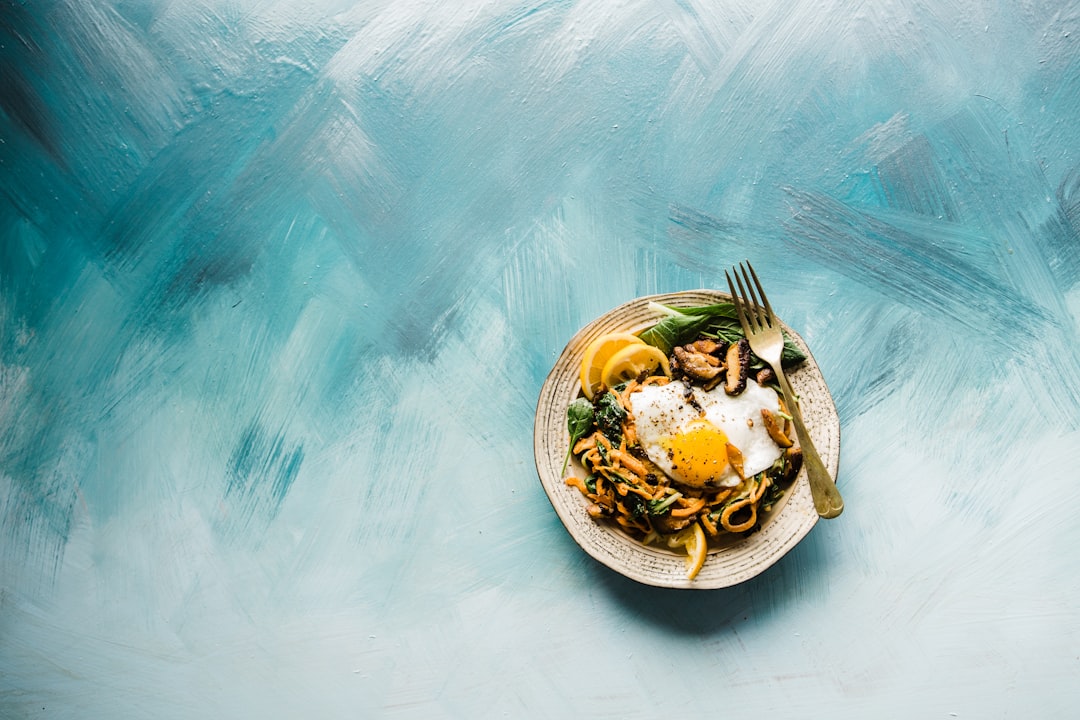
Photo by Brooke Lark on Unsplash
Picture this: It's 1968, and a doctor in Los Angeles publishes a letter claiming that Chinese restaurant food made him dizzy. He blames monosodium glutamate—MSG—and inadvertently launches a panic that would persist for half a century. Fast forward to today, and MSG remains the ingredient people love to hate, despite having zero scientific evidence backing up the fears. Meanwhile, professional chefs, food scientists, and home cooks who actually know better are quietly using it everywhere, from premium restaurants to your favorite processed foods.
How MSG Became the Villain Nobody Deserved
The story of MSG's fall from grace is equal parts fascinating and frustrating. Monosodium glutamate is simply the sodium salt of glutamic acid, an amino acid that occurs naturally in everything from aged Parmesan cheese to ripe tomatoes to mushrooms. Humans have been consuming glutamates for millennia without problem. Japanese chemist Kikunae Ikeda actually isolated MSG in 1908 while studying kombu seaweed broth, identifying it as the source of a savory sensation he called "umami"—the fifth basic taste alongside sweet, salty, sour, and bitter.
But the turning point came in 1968 when Dr. Robert Ho Man Kwok published that infamous letter in the New England Journal of Medicine, describing symptoms he experienced after eating Chinese food. He called it "Chinese Restaurant Syndrome." The term itself was problematic—it was reductive, culturally insensitive, and ultimately wrong. Yet the damage was done. For decades, MSG carried the stigma of being exotic, artificial, and vaguely dangerous. Restaurant menus started advertising "NO MSG!" like it was a badge of honor. People whispered about headaches and heart palpitations as if MSG was some kind of culinary toxin.
Here's the thing: Multiple rigorous studies since then have failed to reproduce any consistent negative effects from MSG consumption. The FDA still considers it "Generally Recognized As Safe." Even the International Headache Society found no causal connection between MSG and migraines. But try telling someone who's convinced themselves they're MSG-sensitive about the science—good luck with that.
Why Professional Chefs Never Actually Stopped Using It
While home cooks were busy avoiding MSG like it was radioactive, professional chefs and food scientists knew the truth. They understood that MSG is simply a tool for amplifying what chefs call the "savory depth" of food. When you add a tiny pinch of MSG to beef broth, you're not adding an artificial flavor—you're enhancing the beef-ness that's already there. It makes things taste more like themselves.
Thomas Keller, chef at The French Laundry in California, uses MSG regularly in his kitchens. Grant Achatz at Alinea doesn't shy away from it. High-end Japanese cuisine, which inspired the creation of MSG in the first place, has never abandoned it. Even if a restaurant doesn't use MSG in its pure form, you better believe it's using ingredients packed with naturally occurring glutamates—aged cheeses, fermented products, bone broths reduced for hours until they're practically umami syrup.
The irony? Many of the foods people buy specifically because they advertise "no MSG" contain ingredients that are biochemically identical to MSG once they hit your digestive system. Hydrolyzed yeast extract, soy sauce, fish sauce, tomato paste—these are all loaded with free glutamates. The difference is purely psychological, but it's powerful.
Understanding Umami: What You've Been Missing
To really understand MSG, you need to understand umami. It's not a flavor you taste the way you taste sweetness or sourness. It's more like a mouth-coating sensation, a savory depth that makes food more satisfying. It's the reason a simple bowl of miso soup feels nourishing. It's why Parmesan cheese on pasta makes everything better. It's what makes a slow-cooked beef stew so crave-worthy that you find yourself thinking about it days later.
Your tongue has specific receptors for glutamate—just like it has receptors for sweetness or bitterness. It's not a trick. It's real neuroscience. When glutamate hits those receptors, your brain processes it as a signal that food is nutritious, protein-rich, and worth eating. From an evolutionary perspective, that makes perfect sense. Nature's way of saying "this food is good for you, eat more."
The practical upshot? A quarter teaspoon of MSG in a pot of soup, a stew, or a sauce can make the entire dish taste richer and more complex without tasting salty or chemical. Chefs call this "seasoning with umami" rather than relying purely on salt. It allows you to enhance flavor while actually reducing your total sodium intake.
How to Actually Use MSG (Without Feeling Guilty)
If you want to experiment with MSG at home, it's surprisingly easy. You can buy it under the brand name Aji-No-Moto at most grocery stores, often in the Asian foods section. It's cheap—we're talking a few dollars for a container that will last you a year. Start small: a pinch in beef stew, a tiny amount in your tomato sauce, a light dusting on scrambled eggs.
The key is restraint. You're not trying to taste MSG; you're trying to enhance other flavors. Think of it like salt—a little improves everything, but too much ruins it. Pro tip: mix it with salt to make a seasoning blend that's easier to control. The ratio doesn't matter much, but 50/50 is a good starting point.
If you want to avoid the "pure chemical" aspect entirely, you can achieve similar umami effects by using the ingredients chefs have relied on for centuries: aged cheese, mushrooms, tomatoes, soy sauce, miso paste, or fish sauce. These will give you that same savory depth. The advantage of MSG is precision and consistency, but the results are functionally equivalent.
The Future of Flavor
The stigma around MSG is slowly disappearing, especially as a new generation of food writers, chefs, and home cooks are actually looking at the science rather than accepting 55-year-old panic as fact. Food bloggers are experimenting with it openly. Restaurants are removing the "no MSG" signs because, frankly, they're admitting they're afraid of an imaginary problem.
For more on rehabilitating misunderstood ingredients, check out why your grandmother's cast iron skillet is actually better than that expensive non-stick pan—sometimes the old ways were right all along.
The bottom line: MSG isn't a villain. It's not a shortcut. It's not artificial in any meaningful way. It's simply a tool that, when used thoughtfully, makes food taste better. The real conspiracy isn't about MSG being dangerous—it's about how effectively a single letter in a medical journal can convince people to reject something delicious for five decades.
Comments (0)
No comments yet. Be the first to share your thoughts!
Sign in to join the conversation.