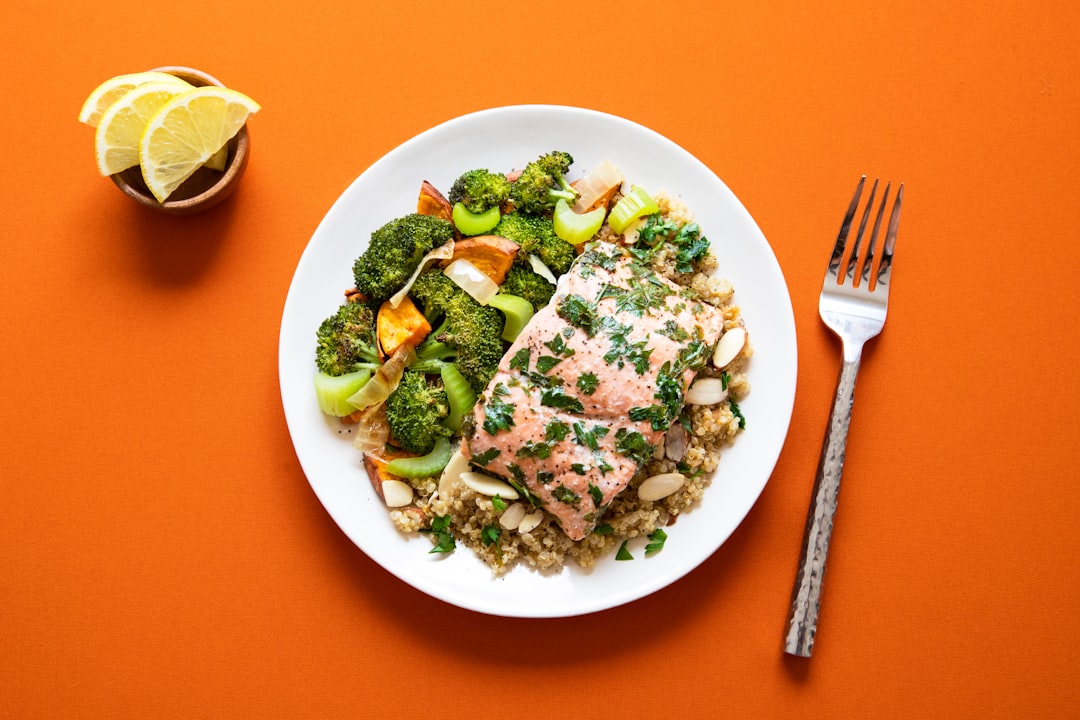
Photo by Ella Olsson on Unsplash
Remember when your mom whispered warnings about MSG like it was a culinary curse? Yeah, that didn't age well. The reality is that monosodium glutamate—that white crystalline powder with the scary reputation—is one of the most misunderstood ingredients in the kitchen. While generations of home cooks avoided it like poison, professional chefs never stopped using it. The disconnect is wild, and it's costing your food serious flavor points.
Let's get the science out of the way first, because it matters. MSG is literally just the sodium salt of glutamic acid, an amino acid that occurs naturally in aged parmesan cheese, ripe tomatoes, mushrooms, and fermented foods like soy sauce and miso paste. When you eat these foods, you're consuming MSG. Your own body produces glutamic acid constantly. It's not some weird synthetic chemical dreamed up in a lab to deceive us. Ajinomoto, the Japanese company that first isolated and commercialized MSG in 1908, simply figured out how to extract and concentrate something that already existed everywhere.
How We Got Here: The Panic That Changed Everything
The anti-MSG crusade started in 1968 when a doctor published a letter in the New England Journal of Medicine describing symptoms he experienced after eating Chinese food—numbness, heart palpitations, weakness. He called it "Chinese Restaurant Syndrome." The media ran with it. Suddenly, every Chinese restaurant in America became suspect. By the 1970s and 80s, MSG became the food boogeyman, right up there with high fructose corn syrup and artificial dyes.
Here's the problem: when scientists actually tested whether MSG caused these symptoms, they couldn't reproduce the effect in controlled studies. Decades of research—including studies by the FDA, the American Medical Association, and countless independent researchers—found no credible evidence that MSG causes adverse reactions in the general population. Even people who claimed sensitivity to MSG couldn't identify it in blind taste tests. The panic wasn't based on science. It was based on xenophobia dressed up as health concern.
Yet the damage was done. American home cooks became terrified. Chinese restaurants removed MSG from their menus to reassure customers. Packaged food companies stopped using it openly, though plenty of them still sneak it in under different names like "yeast extract" or "hydrolyzed vegetable protein." Meanwhile, French chefs, Japanese cooks, and Italian nonnas never stopped using umami-rich ingredients. They just didn't call attention to it.
What You're Actually Missing (And Tasting the Difference)
Umami is the fifth basic taste—alongside sweet, salty, sour, and bitter. It's the savory satisfaction that makes you want another bite. It's why a slow-cooked bone broth tastes so much better than water with salt. It's why aged cheddar makes you close your eyes. It's MSG doing its job.
MSG amplifies umami by binding to taste receptors on your tongue and sending signals that basically say "this is delicious and nutritious, keep eating." It doesn't mask flavor or add a weird chemical taste if you use it correctly. It enhances what's already there. A pinch of MSG in your beef stew deepens the beefy flavor. A tiny amount in your tomato sauce makes the tomato-ness pop. It's like turning up the volume on the good parts.
The best chefs understand this intuitively. Thomas Keller at The French Laundry uses it. David Chang built Momofuku's entire philosophy around umami. Most Michelin-starred restaurants have MSG somewhere in their pantry, though they might not advertise it. Home cooks who discover it suddenly understand why restaurant food tastes more satisfying. It's not magic. It's chemistry.
How to Actually Use It (Without Becoming That Person)
If you're going to cook with MSG—and you should—do it right. You don't need much. We're talking 1/8 teaspoon in a pot of soup for four people. Start small. Taste. Adjust. The goal is enhancement, not an MSG explosion that coats your tongue.
The best way to start is honestly not with pure MSG powder, but with ingredients naturally high in it. A spoonful of miso paste adds depth to braised short ribs. Soy sauce in your marinade isn't just salt—it's umami. A handful of dried mushrooms in your beef stew multiplies the savory impact. Parmesan rinds in your minestrone aren't trash; they're flavor bombs. You're getting MSG naturally through ingredients you probably already use.
If you do grab pure MSG (brands like Aji-No-Moto are widely available), treat it like salt's sophisticated cousin. Use it in braised dishes, soups, gravies, and anything where you want to amplify existing flavors. Don't use it in delicate dishes where you want pure, subtle flavors to shine. And definitely don't tell dinner guests you used it unless you want to spend twenty minutes explaining food science instead of enjoying your meal.
The Broader Point: Stop Outsourcing Your Taste Judgment
The MSG panic taught us something uncomfortable: we're willing to trust fearmongers more than our own taste buds. We'll reject something delicious because someone scared us, not because we actually tested it ourselves. That's not skepticism. That's just secondhand panic.
Professional cooks and food scientists aren't conspiring to poison you. They're trying to make food taste good. If you've ever wondered why your home cooking never quite hits the mark compared to restaurants, MSG might be part of it. Not because it's a magic ingredient, but because you've been avoiding a completely legitimate tool.
The irony? When home bakers discover fermented ingredients like sourdough or aged miso, they suddenly understand umami from the inside out. They taste what's possible. It changes how they cook everything else.
Try this: make your usual chicken soup, but add a single pinch of MSG to one bowl and not the other. Taste both without knowing which is which. See if you can identify the difference. If you're honest, you'll taste a clarity you've been missing all along. That's not artificial. That's just what good food is supposed to taste like.
Comments (0)
No comments yet. Be the first to share your thoughts!
Sign in to join the conversation.