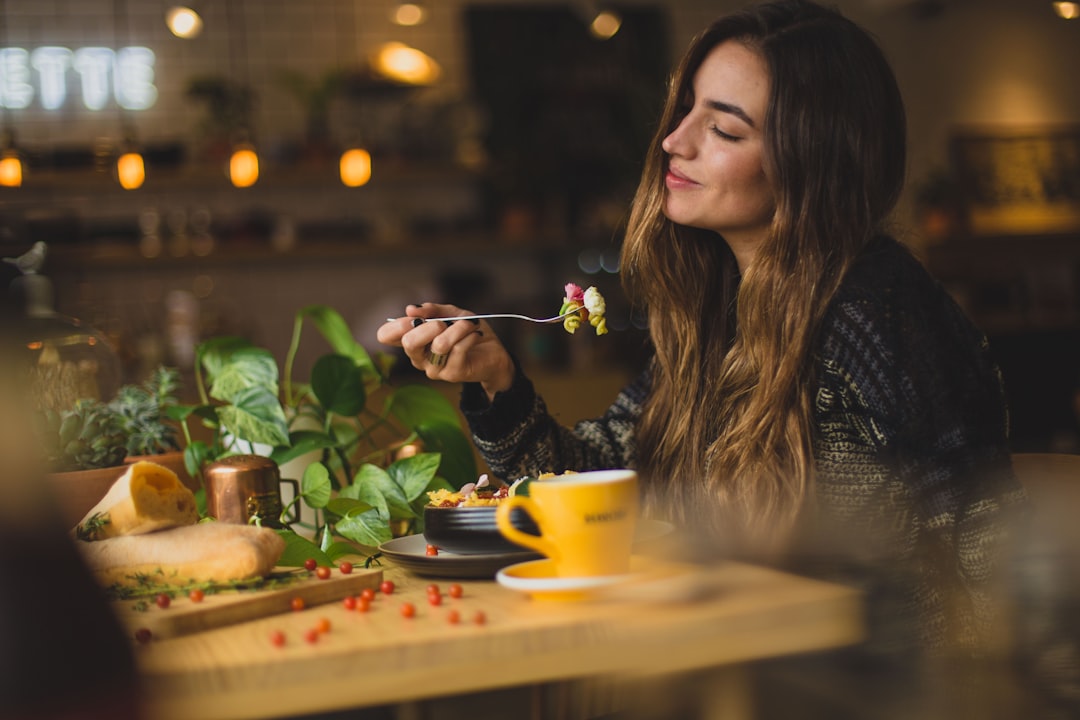
Photo by Pablo Merchán Montes on Unsplash
My grandmother made kimchi in a ceramic crock buried halfway into the earth behind her Seoul apartment, checking on it like a jeweler inspects diamonds. She never measured anything. A pinch of salt here, a handful of gochugaru there, fish sauce by instinct. Somehow, it was always perfect.
That image stuck with me for decades—until last year, when I discovered that what she was doing intuitively is now being studied in laboratories across three continents. Kimchi, that pungent fermented cabbage that's been sustaining Korean families for centuries, has quietly become one of the most researched fermented foods on the planet. And the people leading this charge? Often Korean women who learned the craft the old way, now armed with microbiology degrees and publishing peer-reviewed studies.
From Kitchen Tradition to Clinical Evidence
For most of kimchi's 3,000-year history, nobody needed permission to believe in it. It was medicine, celebration, and survival. During harsh winters, kimchi's probiotics and nutrients kept communities alive. But something shifted in the last decade. Western medicine finally started paying attention.
The numbers are staggering. A 2021 study published in the Journal of Functional Foods analyzed 94 different kimchi samples and found that the average serving contained more than 100 million lactic acid bacteria—the same beneficial microbes found in expensive probiotic supplements costing $30 for a month's supply. One serving of homemade kimchi provides what you'd spend $50 buying in pill form. And here's the thing: it actually tastes good.
Dr. Hae-In Lee, a microbiologist at Seoul National University, became obsessed with understanding why her grandmother's fermentation method worked so consistently. "Everyone thought it was just luck," she told me in an email. "But there's actual precision hidden in what looked like chaos." Her research revealed that traditional Korean women had developed an intuitive understanding of salt concentration, temperature, and timing that creates optimal conditions for specific strains of Lactobacillus to flourish.
The acceleration happened fast. Between 2010 and 2020, academic papers about kimchi increased by 340%. Universities in Canada, Denmark, and Japan now have dedicated programs studying fermented foods, and many were sparked by Korean researchers who insisted their grandmothers' recipes deserved serious investigation.
The Probiotic Question Everyone Gets Wrong
Here's where it gets interesting—and where most discussions about kimchi fall apart.
When you hear "probiotics," you probably picture those yogurt commercials with beautiful people feeling mysteriously better. The reality is messier. Not all bacteria are created equal. Some probiotics die in your stomach acid before reaching your gut. Others never colonize at all. They're basically expensive transit.
Kimchi is different, and this is where traditional preparation methods matter enormously. The fermentation process in kimchi naturally produces multiple strains of lactic acid bacteria—Lactobacillus plantarum, Lactobacillus brevis, and Leuconostoc mesenteroides being the heavy hitters. These bacteria have been fermenting foods alongside humans for millennia, so your gut has actual evolutionary history with them. They're not foreign invaders; they're neighbors coming home.
But here's the catch that nobody mentions: most store-bought kimchi is pasteurized. Heat-killing the bacteria makes it shelf-stable, but it also makes it essentially useless as a probiotic source. You're eating the bacterial corpses, getting the flavor and some nutrients, but missing the live cultures entirely. This is why Korean families have always made their own, and why your grandmother probably hid her kimchi crock like it contained gold.
Dr. Eun-Ju Park, a nutritionist in Busan who specializes in fermented foods, estimates that only about 15% of kimchi sold internationally contains viable cultures. "People are buying the idea of health, not actual health," she said in a recent interview. "But when you make it at home, something completely different happens."
Why Your Kitchen Is About to Become a Fermentation Lab
The current moment feels like the sourdough craze, except with better nutritional science backing it up. During the pandemic, searches for "homemade kimchi" increased 520% year-over-year. But unlike sourdough—where failure is common and deeply discouraging—kimchi is remarkably forgiving.
This is partly because the high salt content (about 2-3% by weight) creates an environment where "bad" bacteria can't survive while "good" bacteria thrive. It's not magic; it's chemistry. Your grandmother understood this intuitively. She knew that kimchi wanted to ferment, wanted to become what it was meant to be. You almost have to actively sabotage it to fail.
The basic formula is simpler than you'd expect: napa cabbage, salt, gochugaru, garlic, ginger, and fish sauce (optional, but traditional). Mix, pack in a jar, leave it at room temperature for 3-7 days depending on your preference. That's it. No expensive equipment. No sourdough-style anxiety about temperature swings and feeding schedules.
What's changed recently is the visibility. A decade ago, finding gochugaru meant visiting Korean markets. Now it's on Amazon. YouTube has millions of videos from Korean women—many of them actual grandmothers—patiently explaining the process in a dozen languages. The knowledge that was once locked behind cultural boundaries and family traditions is becoming globalized, but without losing its authenticity.
The Unexpected Wellness Angle Nobody Saw Coming
Beyond probiotics, research has started finding other compounds in properly fermented kimchi that deserve attention. The fermentation process generates bioavailable vitamin K2, which your body uses for bone health and cardiovascular function. It produces enzymes that improve digestion. Certain strains produce metabolites with anti-inflammatory properties.
But here's what's genuinely remarkable: none of this was news to people who'd been eating kimchi for centuries. They just didn't have the equipment to measure it. Indigenous food knowledge often comes with built-in nutritional wisdom that takes modern science decades to catch up with.
The wellness industry is starting to realize this. High-end restaurants in New York and Copenhagen now serve kimchi alongside their most expensive dishes, not as a condiment but as a therapeutic food. Fermentation classes in major cities fill up months in advance. And increasingly, these classes are taught by Korean women sharing knowledge their ancestors developed.
What feels revolutionary is actually archaeological. We're rediscovering something that was never lost, just undervalued. And maybe that's the real lesson here: sometimes the future of food isn't about innovation. It's about paying attention to what actually works, listening to the people who've always known, and finally believing them.
Comments (0)
No comments yet. Be the first to share your thoughts!
Sign in to join the conversation.