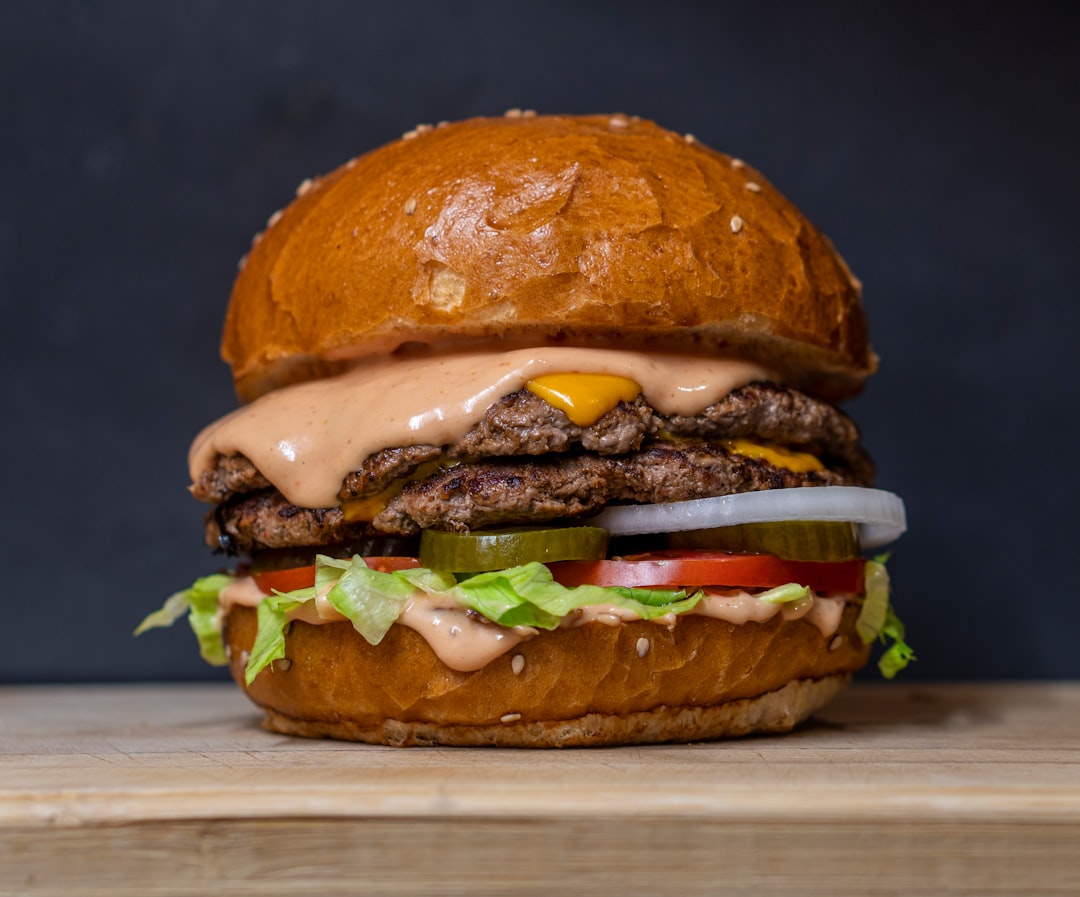
Photo by amirali mirhashemian on Unsplash
My mother-in-law once described mayonnaise as "that slimy, soulless goop." My husband defended it passionately. The argument lasted forty minutes and nearly derailed Thanksgiving. Sound dramatic? You'd be surprised how many families have fought similar battles over this creamy white condiment that most people never think twice about.
Mayonnaise is everywhere. It's in our tuna salads, spread thick on our club sandwiches, mixed into deviled eggs, and probably lurking in your refrigerator right now in a jar you haven't opened since March. Yet somehow, this simple mixture of eggs, oil, and acid has become one of the most divisive ingredients in American food culture. People don't have mild opinions about mayo. They have declarations. They have allegiances. Some people think a sandwich without it is basically dry cardboard. Others won't touch it with a ten-foot spatula.
The Great Mayo Divide: Regional Loyalty Runs Deep
Geography matters more than you'd think when it comes to mayo attitudes. The American South and Midwest treat mayonnaise like it's a food group. In places like Kentucky, Louisiana, and parts of Ohio, mayo appears on virtually everything. It's the default condiment, the assumed ingredient, the creamy backbone of regional food identity. A Southern-style deviled egg without mayo? That's not a deviled egg; that's a crime.
Meanwhile, coastal cities—particularly on the West Coast and parts of the Northeast—have a much more ambivalent relationship with the stuff. New York has its own mayo bagel controversy. California's health-conscious movement largely rejected mayo in favor of avocado. In these regions, mayo is optional, supplementary, something you might use sparingly or skip entirely without anyone batting an eye.
But here's where it gets really interesting: these aren't just personal preferences. They're cultural inheritances. Research into American food consumption patterns shows that mayo consumption correlates heavily with family migration patterns and generational food traditions. Your grandmother's feelings about mayo probably shaped your own, whether you realized it or not.
The Taste Test Nobody Asked For (But Everyone Has an Opinion About)
Blind taste tests reveal something fascinating. When people don't know they're eating mayo, reactions are far more positive. The moment someone identifies it, suddenly taste buds become moralistic. "Oh, that's just mayo," people say with obvious disappointment, even if they literally just admitted it tasted good.
This suggests the mayo divide isn't purely about flavor. It's about identity and expectations. Mayo carries baggage. It's associated with Depression-era cooking, suburban 1950s cuisine, and casserole culture. It's been the subject of countless jokes about Midwestern food. For people who've internalized these cultural narratives, mayo becomes about more than taste—it becomes about what kind of cook you are, what your food values are, what your taste level signals to others.
The mayo brands themselves have contributed to this identity component. Hellmann's (or Best Foods, depending on your region) dominated for decades, but the rise of Duke's mayo from North Carolina in recent years has created actual regional pride movements. People have started bringing Duke's mayo to potlucks in other states like sports fans wearing their team's jersey. It's not just about the product anymore. It's about representation.
The Millennials and Gen Z Mayo Rebellion
Something strange happened around 2015. Younger people started talking about mayo the way older generations talked about cilantro—as though its very existence was under debate. Memes about mayo being "basic" and "white people food" flooded social media. Suddenly, mayo became a class marker and a generational dividing line.
This created a peculiar situation where younger chefs began treating mayo as a retro-ironic ingredient to be reclaimed and reinvented. Elevated mayo—infused with sriracha, miso, saffron, or charcoal—started appearing on restaurant menus. High-end restaurants began offering house-made versions with exotic ingredients. Mayo wasn't being rejected so much as being complicated and reimagined.
This generational split means families now navigate mayo conversations differently than they did a decade ago. Parents who grew up treating mayo as invisible infrastructure of good cooking now have adult children who view it with suspicion. It's created unexpected kitchen tension, particularly when cooking together or discussing recipes. If you're learning to cook with inherited family techniques, mayo traditions are often baked right in.
The International Perspective That Proves America Is Weird
Here's what's truly eye-opening: most of the world doesn't care about mayo the way Americans do. In Japan, mayo consumption is actually higher than in the US, yet it's not a cultural battleground. In Spain, mayo is fundamental to Spanish cuisine. In Russia, people use mayonnaise generously and without the identity crisis.
The American mayo controversy seems uniquely American—rooted in our particular cultural history, our regional food traditions, our complicated relationship with processed foods, and our tendency to imbue condiments with moral significance. We've turned a simple emulsion into a cultural statement.
So Where Does This Leave Us?
The mayo divide probably won't resolve anytime soon. It's too entangled with family history, regional identity, and generational values. But maybe that's actually fine. Food isn't just fuel. It's where we carry our histories, our families, our places. The fact that people have strong feelings about mayo means they have strong feelings about belonging and identity.
The next time you find yourself in a mayo argument—and if you eat with other people, you probably will—remember that you're not really arguing about condiments. You're arguing about who you are and where you come from. That slimy, soulless goop (or that creamy, essential staple) represents something deeper.
Maybe that's why my mother-in-law and my husband fought so passionately. And why I'll probably keep a jar in my refrigerator forever, even though I can never quite decide if I like it or not.
Comments (0)
No comments yet. Be the first to share your thoughts!
Sign in to join the conversation.