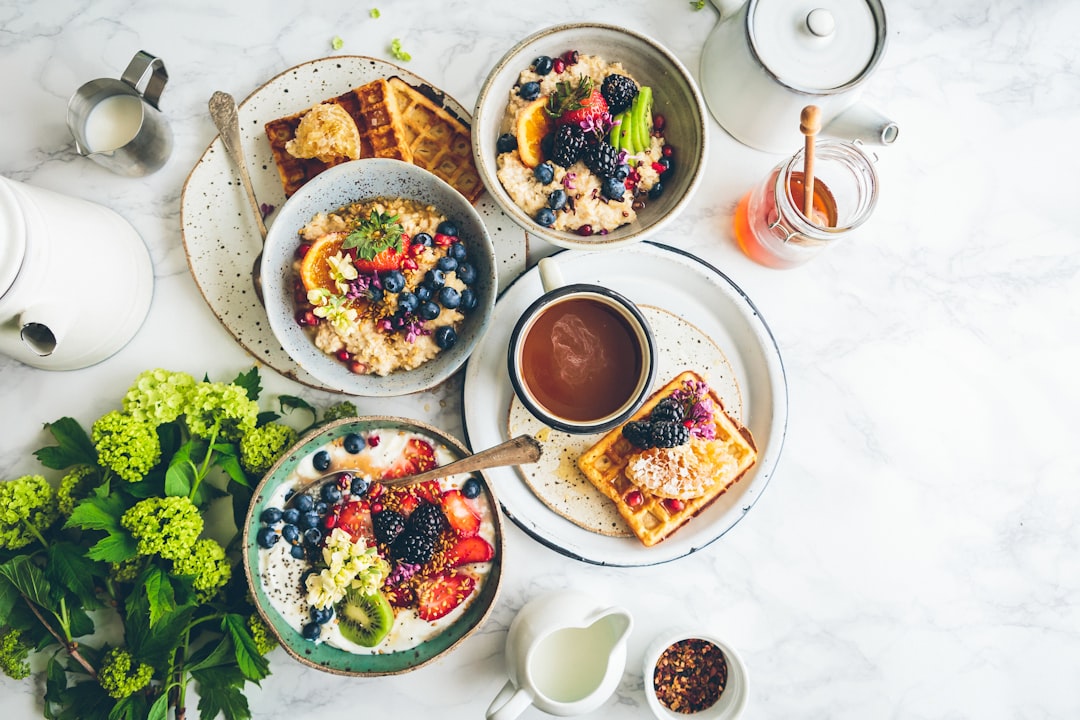
Photo by Brooke Lark on Unsplash
The Moment That Changed Everything
I stood in my local grocery store frozen food aisle at 6:47 PM on a Wednesday, holding a bag of frozen broccoli florets, when it hit me: I'd been lied to my entire life. Not deliberately, perhaps, but lied to nonetheless. The produce section three aisles over was practically glowing with those impossibly vibrant bell peppers and tomatoes, and I'd walked past them without a second glance—choosing instead the humble frozen bag that cost half as much and, according to every study I could find, was nutritionally superior. Yet somewhere in my brain, a voice whispered that I was settling.
That voice, I realized, wasn't my own. It was the voice of marketing departments, lifestyle bloggers, and a century of cultural messaging that has convinced us frozen food is somehow a lesser choice. The thing is, the science tells a completely different story.
What Actually Happens When Food Gets Frozen
Here's where most people's understanding breaks down. When vegetables are harvested for the fresh market, they're typically picked 4-7 days before they hit your grocery store shelf. Then they spend another 1-3 days in your crisper drawer. Meanwhile, vegetables destined for freezing are picked and frozen within hours—sometimes just minutes.
This matters because the moment a vegetable is harvested, it begins losing nutrients. It's not dramatic; it's just chemistry. Vitamin C degrades, B vitamins diminish, and the natural enzymes that break down chlorophyll get to work. A 2017 study published in the Journal of the Science of Food and Agriculture compared the nutrient content of fresh and frozen vegetables across multiple supermarkets. The results were striking: frozen vegetables retained more vitamin C, folate, and antioxidants than their fresh counterparts in nearly every category tested.
The freezing process itself doesn't damage nutrients significantly. Blanching—the brief heating before freezing—does eliminate some vitamin C and water-soluble vitamins, but the frozen state that follows essentially puts vegetables into nutritional stasis. Nothing degrades further. Your fresh broccoli in the crisper? It keeps degrading.
The Marketing Machine That Sold Us a Myth
So why does everyone still believe fresh is better? The answer is depressingly simple: money and narrative.
The fresh produce industry in the United States generates roughly $80 billion annually. The frozen vegetable industry? About $6 billion. The math on marketing budgets basically writes itself. Fresh produce gets the glossy magazine spreads, the farmer's market aesthetic, the Instagram stories. Frozen vegetables get a plastic bag in a fluorescent-lit aisle.
There's also something deeply satisfying about the fresh produce narrative. It plays into our desire for naturalness, for purity, for being good stewards of our bodies. We want to believe that what we're choosing is better because it feels fresher, looks fresher, and comes without the word "frozen" attached to it. The food industry is deeply invested in these psychological associations, and they've done their job remarkably well.
Meanwhile, frozen vegetables sit on shelves, nutritionally superior but perceptually inferior, waiting for someone to notice.
The Real-World Advantage That Nobody Talks About
Beyond the nutrition question, frozen vegetables solve actual problems in your actual life. Let me be specific because this matters.
You buy fresh spinach with the intention of making a salad. Three days later, your spinach is a wet, slimy disappointment. You buy fresh broccoli for dinner. Work runs late. Friday becomes Saturday. Sunday arrives and your broccoli has turned into a bitter, woody horror show. Frozen broccoli? It's exactly the same as when you bought it. This isn't a minor inconvenience—it's the difference between eating healthy and wasting money.
The average American household throws away about $1,500 worth of food annually. A significant portion of that is produce that spoiled before it could be used. Frozen vegetables eliminate almost all of this waste. You use what you need and return the bag to the freezer. The remaining vegetables stay perfect.
There's also the practical reality of consistency and availability. Fresh raspberries cost $6.99 per half-pint in January. Frozen raspberries are $3.50 year-round and were harvested at peak ripeness. Fresh asparagus is available for about six weeks per year. Frozen asparagus shows up whenever you want it.
The Taste Question (Which Isn't Actually a Question)
The one place where fresh beats frozen is texture. A frozen strawberry has a different texture than a fresh one because ice crystals form and rupture the cell walls. If you're eating strawberries plain, you'll notice. If you're blending them into a smoothie or baking them into something, you absolutely won't.
For vegetables that you're cooking—which is most of them—the texture difference is negligible to nonexistent. Frozen carrots in your soup? Indistinguishable. Frozen peppers in your stir-fry? They soften anyway. Frozen broccoli roasted in your oven? It's delicious.
Taste is where people usually claim to notice a difference, but blind taste tests consistently fail to support this. When researchers at UC Davis had people sample frozen and fresh vegetables without knowing which was which, the preference came down almost entirely to personal variation, not objective quality. Some people preferred fresh asparagus; others preferred frozen. The differences were minimal and highly individual.
The Uncomfortable Truth
We've built an entire cultural mythology around fresh food being superior when the actual evidence is mixed at best and often contradicts the narrative entirely. Fresh produce is wonderful when it's actually fresh—when you bought it today and eat it today. But most of us don't live that way. We buy it, it degrades, and either we eat degraded vegetables or we waste them.
Frozen vegetables are a perfect solution to a problem that the produce industry created and now profits from. They're cheaper, more nutritious, less wasteful, and more convenient. By every practical and scientific metric, they're the better choice for most people in most situations.
The next time you're in that grocery store, standing between the glowing produce section and the humble freezer aisle, you might feel that little voice telling you that fresh is better. That voice isn't wisdom. It's marketing.
Grab the frozen vegetables. Your wallet, your nutrition, and the environment will thank you.
Comments (0)
No comments yet. Be the first to share your thoughts!
Sign in to join the conversation.