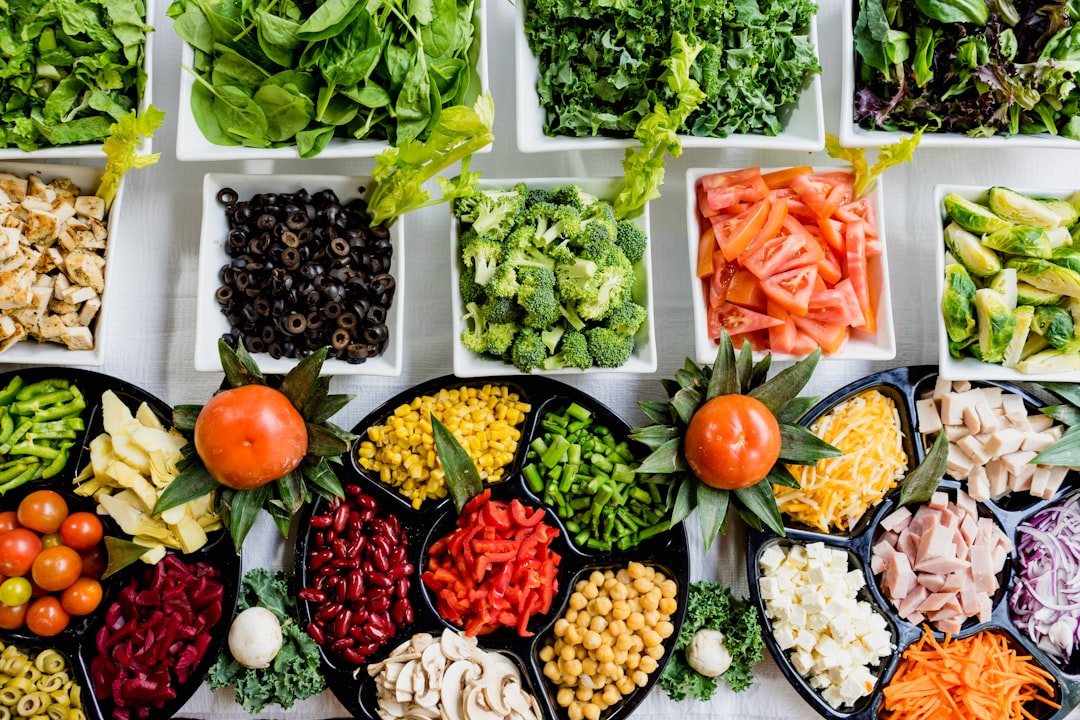
My grandmother kept jars of pickles, sauerkraut, and kimchi in her basement pantry like other people collect fine wine. She never called it "functional food" or talked about probiotics. She just knew that fermented vegetables lasted through winter and made her feel better. Thirty years later, she was onto something that food scientists are finally catching up to, and suddenly, fermentation isn't just about survival—it's become the hottest food trend that actually matters.
Why Fermentation Never Really Left (But We Forgot About It)
Fermentation is old. Really old. We're talking about a food preservation method that predates refrigeration by thousands of years. The ancient Egyptians fermented bread. The Chinese were fermenting soybeans into miso around 2,500 years ago. Yet somewhere between the invention of the freezer and the rise of processed foods, we collectively decided that fermentation was quaint and unnecessary.
Then the gut microbiome became sexy.
Over the past decade, research into our gut bacteria has exploded. Studies have linked our microbiome to everything from mental health to immune function to weight management. A 2021 Stanford University study found that fermented foods increased microbial diversity in the gut more effectively than fiber supplements alone. Suddenly, our grandmothers' pickle jars looked like pharmaceutical factories.
The numbers tell the story. The global fermented foods market was valued at $2.29 billion in 2022 and is expected to grow at a compound annual growth rate of 6.8% through 2030. That's not craft coffee growth—that's legitimate, sustained momentum. And unlike many food trends that fade faster than sourdough starters (which, if you're curious about keeping alive, deserve their own article), fermentation is grounded in actual biology.
The Pantry Staples Making a Comeback
Sauerkraut has become a craft industry. We're not talking about the pale, vinegary stuff your parents served with hot dogs. New fermentation companies are producing raw sauerkraut with creative additions like turmeric and ginger, or jalapeños and cilantro. Brands like Ozimksi and Wildbrine have turned cabbage into a lifestyle choice.
Kimchi exploded out of Korean cuisine into mainstream American supermarkets. You can now find it in sections of Whole Foods next to kombucha and kefir. Korean-American chef David Chang didn't single-handedly make kimchi cool, but his restaurants definitely didn't hurt the cause. Kimchi brings heat, funk, and serious umami to the table—plus, unlike most trendy foods, it actually tastes better when it's been sitting around getting more fermented.
Then there's kombucha, which went from health food store oddity to convenience store staple. The fermented tea drink, made by adding a SCOBY (symbiotic culture of bacteria and yeast) to sweetened tea, exploded in popularity around 2015. The market grew so fast that major beverage companies bought into the space. Now you can find kombucha at literally every grocery store, which means either we all got really interested in gut health or kombucha finally stopped tasting like vinegary punishment.
Miso, tempeh, and other fermented soy products have become kitchen staples for people who aren't necessarily cooking Asian cuisine. A miso paste from an $8 tub can transform a simple broth into something with serious depth and complexity. Fermented black garlic—aged garlic that becomes dark, sweet, and almost molasses-like—has moved from molecular gastronomy restaurants into home cooks' pantries.
The Science Behind the Hype (And Where It Gets Complicated)
Here's where we need to be honest: the gut health claims are partially hype, and partially legitimate. Fermented foods absolutely contain probiotics—live beneficial bacteria. Sauerkraut, kimchi, miso, and tempeh all harbor thriving bacterial colonies. When you eat them, you're consuming these living microorganisms, and they do interact with your gut microbiome.
But there's a catch. Not all fermented foods are created equal. Store-bought sauerkraut that's been pasteurized is technically still fermented, but the heat killed all the beneficial bacteria. The live cultures you're after need to make it through your stomach acid and into your intestines alive, which is trickier than it sounds. And the specific bacterial strains in your homemade kimchi might be different from the ones in your neighbor's, which means the health benefits could vary.
That said, even if the probiotic content is variable, fermented foods offer other legitimate benefits. Fermentation breaks down compounds that can be hard to digest, increases bioavailability of certain nutrients, and creates new compounds with potential health benefits. Plus, they add flavor and complexity to food in ways that feel indulgent but are actually quite healthy.
The DIY Fermentation Movement
What's really telling about this trend is how many people are now fermenting things at home. This isn't a passive consumption trend. People are buying fermentation crocks, mason jars, and weights. They're watching YouTube videos about salt ratios and ambient temperature. They're tasting their creations obsessively, waiting for that perfect moment of tanginess.
The barrier to entry is absurdly low. You need vegetables, salt, and a jar. The fermentation process literally happens without you doing anything except leaving it alone for a few weeks. It's the opposite of complicated cooking. My neighbor started fermenting hot sauce with her kids as a pandemic project and now makes thirty jars a year to give as gifts.
Home fermentation has also become an act of food autonomy. You control the salt level, the ingredients, the fermentation duration. You're not buying a standardized product; you're creating something that reflects your taste preferences and your kitchen conditions. That appeals to people on a deeper level than just health benefits.
What Comes Next
Fermentation will likely continue as a major food movement, but it's evolving beyond just the predictable categories. Fermented hot sauces, fermented cocktail bitters, fermented condiments—these are becoming more common. Some restaurants are fermenting unexpected ingredients to add complexity to dishes.
The real question isn't whether fermented foods will stay popular. It's whether we'll finally accept them as normal, boring staples instead of trendy health foods. My grandmother didn't think of sauerkraut as a probiotic delivery system. She just knew it kept through winter and made everything taste better. That's where we're heading. Fermented foods aren't the future—they're the past, finally welcomed home.
Comments (0)
No comments yet. Be the first to share your thoughts!
Sign in to join the conversation.