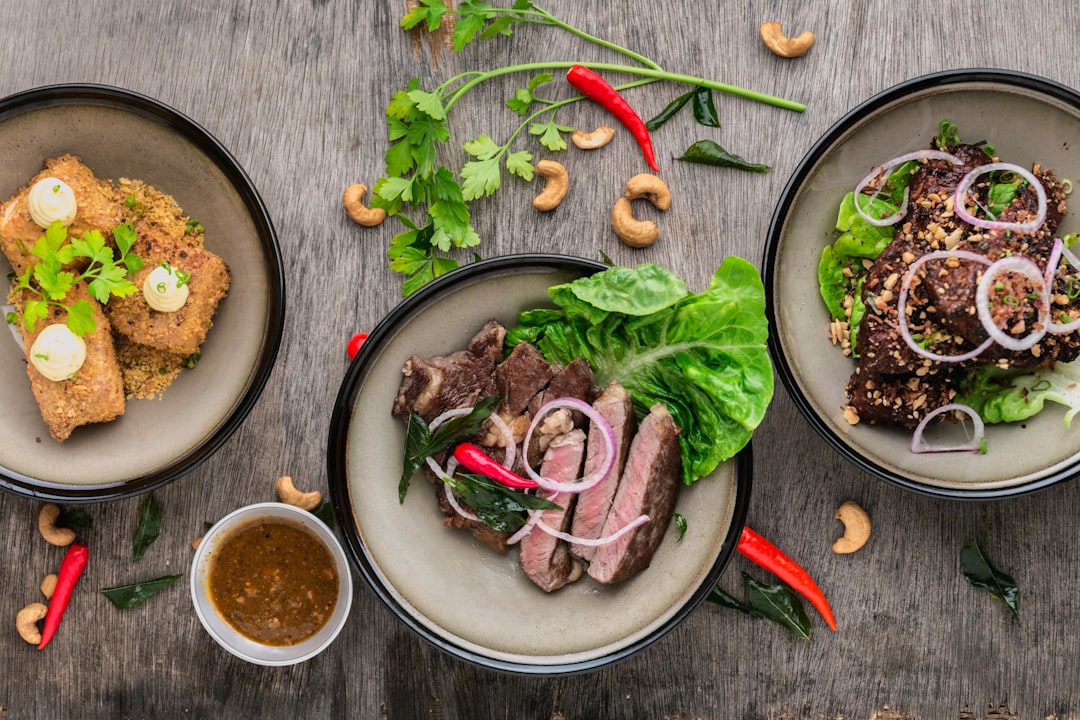
Photo by Lily Banse on Unsplash
My first taste of authentic kimchi came during a visit to Seoul in 2019, not at a trendy restaurant but in the cramped kitchen of my friend's grandmother. She'd been making the same recipe for forty-seven years, and the moment that fermented cabbage touched my tongue, something clicked. It was alive in a way that the jars sitting in my local grocery store would never be. That realization sparked a question that wouldn't leave me alone: Why does supermarket kimchi taste like it's been embalmed?
The Pasteurization Problem
Most commercial kimchi undergoes heat treatment to extend shelf life and ensure food safety. This process kills the beneficial bacteria that make fermented foods so special. A study from Seoul National University found that pasteurized kimchi retained only 3% of its original probiotic count after just two weeks on the shelf. The live cultures that your gut actually wants? They're gone.
Manufacturers defend this choice, and fair enough—they need their products to last months in distribution, not weeks. But something genuinely valuable gets sacrificed in that trade-off. Traditional kimchi ferments at room temperature, developing complex flavors from multiple bacterial strains working in concert. The Lactobacillus bacteria responsible for that characteristic tang is actually alive, actively creating lactic acid that gives fermented foods their probiotic punch.
Here's what bothers me most: most consumers don't even realize they're buying dead food. The label says "fermented," and we assume that means something. It doesn't, not anymore.
What Gets Lost in Translation
Korean households traditionally ferment kimchi in clay pots called onggi, which allow slow gas exchange and maintain optimal fermentation temperatures. The clay itself is porous—it actually breathes. Compare that to a plastic container on a refrigerated shelf, where fermentation is deliberately halted. The flavor profile couldn't be more different if you tried.
My friend's grandmother described her kimchi as "developing personality" over the fermentation period. Day one tastes raw and vegetable-forward. By day three, the spice deepens. At two weeks, something almost savory emerges. This evolution doesn't happen in pasteurized versions. They taste the same on day one as they do on day ninety. Technically preserved, but emotionally flat.
The ingredient lists tell another story too. Commercial versions often include additives like xanthan gum for texture consistency, citric acid to control pH artificially, and sometimes even high-fructose corn syrup masquerading under different names. Traditional kimchi? Napa cabbage, gochugaru (red pepper flakes), garlic, ginger, fish sauce, salt. That's it. Everything else emerges from fermentation itself.
The Underground Revival
Something fascinating is happening right now, though it's still mostly under the radar. Home kimchi-making is experiencing a renaissance, particularly among people who got tired of waiting for the food industry to catch up with what their bodies actually needed. Instagram accounts dedicated to fermentation have grown 340% in the past three years, according to social media analytics firm Hootsuite.
A woman named Jennifer Chen in Portland started making kimchi in her kitchen in 2020, initially just for her family. By 2023, she was selling small batches at farmers markets—unpasteurized, still fermenting, packed in glass jars with instructions for continued aging. She's not alone. Similar small-batch producers have popped up in Austin, Brooklyn, Los Angeles, and dozens of other cities. These aren't polished operations with massive distribution networks. They're people who decided that food should taste like something.
The barrier to entry is remarkably low, which might explain the movement's grassroots energy. You need a clean jar, some vegetables, salt, and time. Literally that simple. Start fermenting today, and you'll have something genuinely alive in a week.
Starting Your Own (It's Easier Than You Think)
If you've been intimidated by fermentation, stop. The process is more forgiving than most cooking because the salt actively prevents bad bacteria from taking hold while beneficial bacteria thrive. You're not risking botulism or mysterious illnesses. You're making a self-regulating ecosystem.
The basic formula: One head of napa cabbage, chopped. Four tablespoons of salt. Mix them together and let them sit for a few hours until the cabbage releases its liquid—you're making its own brine. Then add your seasonings: a tablespoon of minced garlic, a teaspoon of ginger, a tablespoon of gochugaru. Pack it into a clean jar, pressing everything down so the vegetables stay submerged beneath the brine. Leave it at room temperature.
Check it daily. Taste it daily if you want. By day three, it'll taste noticeably different. By day five, you'll have actual kimchi. Some people prefer it at two weeks. Others go a month. There's no deadline. The fermentation gradually slows as the pH drops, and eventually it reaches an equilibrium where it can sit in your fridge for months.
This is the secret thing that commercial producers don't want you to realize: you can do this. You can make something genuinely alive and complex and nutritious with almost no special equipment. For about a dollar fifty in ingredients, you can create something that tastes infinitely better than the seven-dollar jar that came from a factory.
The Future of Food (Might Be in Your Kitchen)
The fermentation revival isn't a nostalgic throwback or some precious foodie affectation. It's a practical rejection of convenience culture. People are learning that fermented foods offer something packaged alternatives simply cannot: actual nutritional density and living cultures that contribute to gut health. Research from the University of California San Diego found that fermented foods can increase bacterial diversity in the human gut by up to 30% more than non-fermented options.
What started as my friend's grandmother's kitchen habit has become a quiet but persistent movement. If you're interested in the technical side of fermentation, I'd recommend checking out Why Your Sourdough Starter Keeps Dying (And What Bakers Won't Tell You)—many of the principles transfer directly to any fermented food project.
The next time you're standing in the supermarket looking at those gleaming jars of kimchi, remember: the best version is probably sitting in someone's kitchen right now, getting better by the day. Maybe it's time to start your own.
Comments (0)
No comments yet. Be the first to share your thoughts!
Sign in to join the conversation.