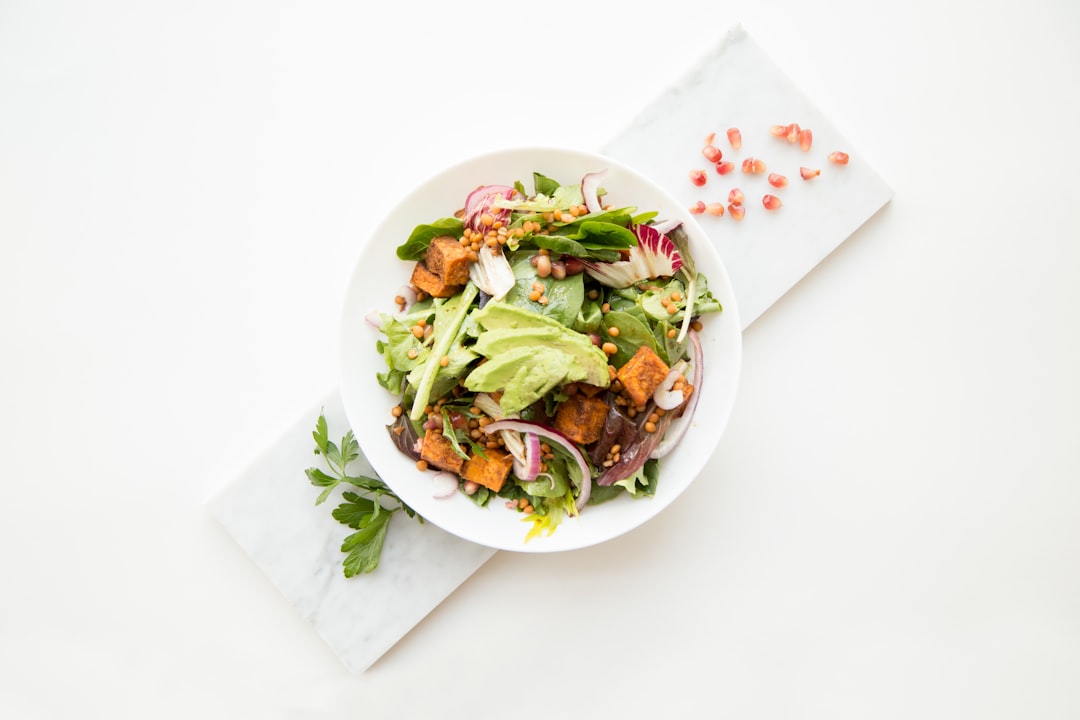
Photo by Hermes Rivera on Unsplash
My neighbor Sarah spent three weeks last summer experimenting with fermented hot sauces in mason jars lined up on her kitchen windowsill. By fall, she was selling bottles at the farmers market for $28 each. They sold out every Saturday. This isn't an outlier story anymore—it's become the norm. The fermentation economy is booming, and it's driven by something deeper than Instagram aesthetics or wellness trends. People are genuinely hungry for foods that taste alive.
From Kitchen Curiosity to Cottage Industry
The global fermented food market was valued at $68.3 billion in 2023, and analysts predict it'll hit $165 billion by 2033. That's a compound annual growth rate of 9.4%, which is wild when you consider we're talking about food that basically makes itself through time and microbes.
What's driving this? Part of it is the gut health movement—studies consistently show that fermented foods contain beneficial probiotics, and people are finally listening to the science instead of dismissing fermentation as old-fashioned. But there's more to it than health metrics on an Oura ring. Fermented foods have a complexity of flavor that's impossible to fake. When you bite into a properly fermented kimchi, you're tasting the work of billions of bacteria that have transformed raw cabbage into something with depth, funk, and character. You can't replicate that in a factory.
The fascinating part? Small-scale producers are competing with massive corporations by leaning into authenticity. A woman in Portland making miso in a rented kitchen space can charge more per ounce than a mass-produced alternative because hers tells a story. It has been made with intention, in small batches, with care about sourcing and process.
The Science of Flavor Through Time
Here's what happens during fermentation: beneficial bacteria (primarily lactobacillus) consume sugars and produce lactic acid as a byproduct. This acid preserves the food while simultaneously breaking down cell walls, making nutrients more bioavailable. The bacteria also create new compounds—amino acids, vitamins, and aromatic molecules—that weren't present in the original ingredient.
Take sauerkraut as an example. Raw cabbage is fine. Fermented cabbage is transcendent. The fermentation process can increase vitamin C content by up to 20%, create vitamin K2 that wasn't there before, and generate over 200 different flavor compounds. That's why restaurant chefs are obsessed with fermented ingredients. A chef in San Francisco told me she ferments everything in her restaurant that isn't nailed down—garlic, chilies, fish sauce, even fruit.
The timeline matters enormously. Quick ferments (3-7 days) taste bright and tangy. Long ferments (3-6 months) develop deeper, more complex flavors with umami notes that rival aged cheese. This is why understanding umami is crucial to appreciating fermented foods—they're naturally packed with it.
Home Fermentation: A Gateway Drug
The beautiful thing about fermentation is that it requires almost no special equipment. A mason jar, salt, vegetables, and time are all you need. This accessibility has created a generation of home fermenters who started as curious experimenters and became passionate advocates.
A Reddit community dedicated to fermentation has grown to over 420,000 members. They're sharing recipes, troubleshooting problems, and documenting their creations. The questions range from "Is this mold or kahm yeast?" to "Can I ferment my hot sauce in a cave in my backyard for authenticity?" (Apparently someone tried this. It worked, but attracted bears.)
What's interesting is that home fermenters report a sense of connection to the process that's absent from other cooking methods. You're not just following instructions—you're collaborating with microscopic life. You're tasting something different every time because fermentation is a living process. Some batches are more aggressive than others. Some develop unexpected flavor notes. This unpredictability is thrilling to people who've spent years following recipes precisely.
The Commercial Explosion and Quality Concerns
With money flowing into fermentation, quality has become a significant issue. Not all fermented foods are created equal. Some commercial producers use vinegar instead of fermentation to achieve acidity quickly. Others use pasteurization to extend shelf life, which kills the beneficial bacteria that makes fermentation worth eating in the first place.
Real fermentation takes time. This costs money. A truly fermented hot sauce made in small batches, using quality ingredients, and aged for proper development will cost more than mass-produced alternatives. But you get what you pay for. Your gut microbiome knows the difference.
The challenge now is education. Consumers need to know what they're looking for on labels. If a product says "fermented" but contains vinegar, citric acid, or has been pasteurized, it's not offering the probiotic benefits. Real fermented products will often have a "live cultures" claim and require refrigeration to keep the bacteria alive.
The Future Is Funky
Sarah's hot sauce business has expanded. She's now working with a co-packer to scale up production while maintaining her fermentation methods. She's hired two part-time employees. She's considering distribution to restaurants. This trajectory—from hobby to business to potential empire—is being replicated across dozens of fermentation-based companies right now.
The revolution isn't just about probiotics or health claims. It's about flavor, tradition, sustainability, and the profound satisfaction of creating something yourself. Fermentation connects us to centuries of food preservation knowledge while being completely modern in its appeal. Your great-grandmother fermented cabbage because it was the only way to have vegetables in winter. You ferment it because it's delicious, good for you, and there's something almost magical about leaving food alone and letting time and microbes do the work.
That's the real secret your grandmother knew. The good news? You're allowed to charge money for it now.
Comments (0)
No comments yet. Be the first to share your thoughts!
Sign in to join the conversation.