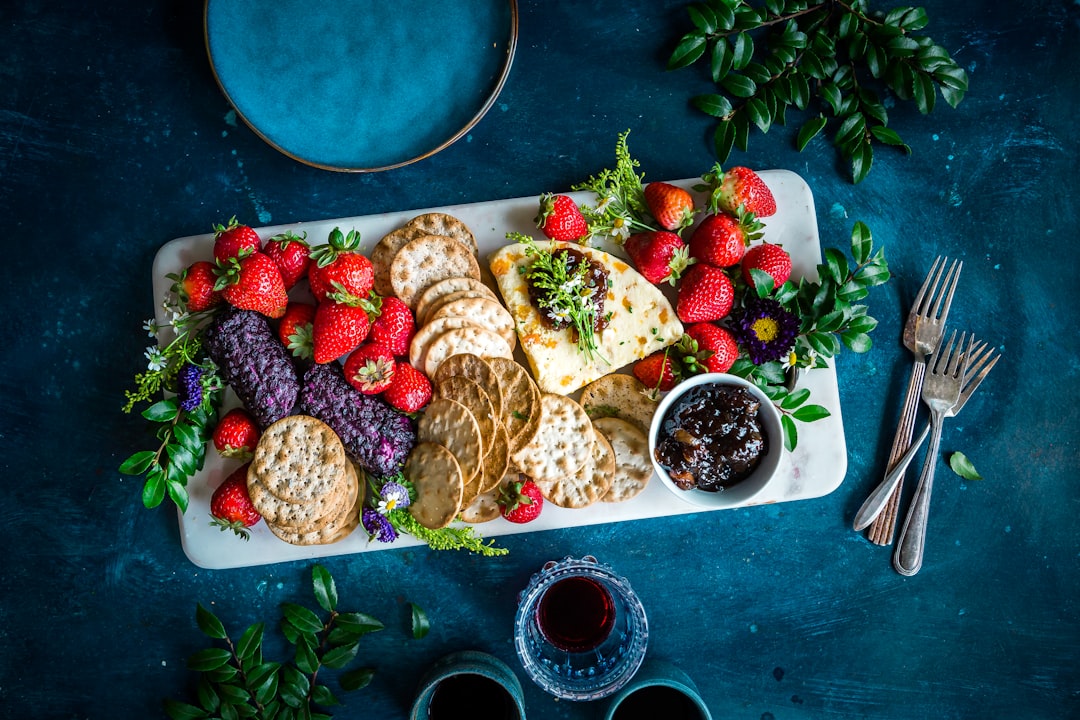
Photo by Brooke Lark on Unsplash
My neighbor Sarah brought over a jar of homemade kimchi last month. It looked slightly terrifying—the vegetables had darkened, bubbles were actively rising through the brine, and the smell could only be described as aggressively alive. I hesitated. She laughed and said, "Try it." One bite changed something. The flavors were impossibly complex: spicy, funky, umami-forward, with this subtle sweetness hiding underneath. She'd started fermenting six months ago with zero experience. Now her kitchen smells like a Korean grandmother's.
This is the fermentation renaissance happening in kitchens worldwide, and it's not the sourdough trend everyone expects. While plenty of people are still obsessed with maintaining their sourdough starters like temperamental houseplants, a quieter revolution is unfolding. People are discovering that fermentation is accessible, forgiving, and genuinely magical in ways that don't require you to maintain complex temperature controls or feed anything daily.
Why Fermentation Suddenly Makes Sense
The science is straightforward but profound. Fermentation is controlled microbial activity—bacteria and fungi breaking down food in specific ways. When you submerge vegetables in salt water, you create an environment where lactobacillus thrives while harmful bacteria can't survive. The lactobacillus produces lactic acid, which preserves the food, creates complex flavors, and—bonus—creates probiotics that your gut actually wants.
Here's where it gets interesting: fermentation doesn't just preserve food; it fundamentally transforms it. According to research from UC Davis, fermentation can increase vitamin B content by up to 50%. Cabbage becomes more digestible when fermented. Beans become less gas-inducing. Your grandmother's sauerkraut wasn't just old-fashioned; it was preventive medicine.
The flavor transformation is equally dramatic. Raw garlic is harsh and sharp. Fermented garlic becomes mellow, almost sweet, with umami notes that make you reconsider what garlic even is. This isn't happening by magic—it's Maillard reactions and enzymatic breakdown creating entirely new compounds that simply don't exist in fresh food.
The Beginner's Gateway: Fermented Hot Sauce
If you want to start fermenting without committing to a five-gallon crock of sauerkraut, hot sauce is your entry point. The process is shockingly simple: blend fresh peppers, garlic, and salt into a paste. Stuff it in a jar. Leave it on your counter for 5-14 days.
That's legitimately it. No special equipment. No temperature control. No daily maintenance.
What happens during those two weeks is remarkable. The peppers soften slightly. The raw heat mellows into something rounder and more interesting. Flavors that were buried under capsaicin suddenly emerge. A friend of mine started with jalapeños, garlic, and sea salt. After two weeks, she had something that tasted nothing like hot sauce should—it tasted better. More alive. She began fermenting every pepper variety she could find.
The failure rate? Nearly zero. To actually ruin fermented hot sauce, you'd need to actively try—like deliberately introducing mold or not using enough salt. The bacteria doing the work has been doing this for thousands of years. It's essentially foolproof.
Beyond the Basics: Where Fermentation Gets Weird
Once you understand the fundamentals, fermentation becomes a playground. People are fermenting everything. Honey with hot peppers becomes a condiment that tastes like it came from a restaurant kitchen. Blueberries fermented with ginger create a syrup that's funky and sophisticated. One cookbook I found suggests fermenting citrus peels—something I haven't tried yet but genuinely can't stop thinking about.
The beauty is that fermentation tolerates improvisation. You don't need recipes to ferment. You need salt (about 2-5% of the vegetable weight), anaerobic conditions (keep vegetables submerged), and time. Everything else is customization. Want garlic? Add garlic. Prefer herbs? Throw them in. The fermentation process will work regardless.
The food world's biggest chefs have figured this out. Restaurants spend years developing fermented ingredients because fermentation creates flavors you cannot manufacture. It's the shortcut to depth that doesn't actually require shortcuts—just patience.
The Probiotic Question (And Why It Actually Matters)
Let's address the health claim head-on: yes, fermented foods contain live bacteria. Are they miracles? No. Can they help your gut microbiome? Probably, if you eat enough of them regularly. The research is encouraging but not definitive. A study from Stanford found that fermented foods can increase microbiota diversity, which is generally considered beneficial.
But here's what doesn't require any asterisks: fermented foods taste incredible and they last forever. Your jar of kimchi will sit in the fridge for months without degrading. Compare that to fresh vegetables that wilt in a week. From a pure sustainability angle, fermentation makes sense.
Plus, the nutrient density genuinely increases. Whether your body fully utilizes all those probiotics or not, you're definitely getting increased vitamin content and more bioavailable minerals. Your food is literally more nutritious after fermentation.
Starting Your Own Fermentation Adventure
You need almost nothing: a jar, salt, vegetables, and patience. Seriously. The best fermentation vessel is whatever glass jar you have. A cabbage leaf can keep vegetables submerged instead of fancy fermentation weights. You could spend money on equipment, but you absolutely don't have to.
Start simple. Buy a cabbage, shred it, mix it with 2% salt by weight, pack it into a jar, and wait a week. Taste it daily after day three. When it tastes how you like, move it to the fridge. That's your whole education.
One warning: the smell. Fermentation smells strong. Not necessarily bad, but definitely strong. Your kitchen will smell like a pickle factory. Your clothes might smell like it. If you live in a small space with sensitive roommates, this matters. But if you can tolerate the aroma, you're essentially guaranteed success.
After making my first batch of fermented hot sauce, I understood why this is becoming so popular. It's inexpensive, nearly foolproof, produces restaurant-quality results, and rewards patience in a way that feels almost meditative. In a world where food is increasingly about convenience and speed, fermentation asks you to slow down and trust a process that's been working for millennia.
Sarah still brings me jars of her creations. Last week it was fermented carrots with turmeric and ginger. The week before, a radish ferment that tasted like spicy, sophisticated sauerkraut. I should probably start making my own before I end up completely dependent on her generosity. But honestly? There are worse problems to have.
Comments (0)
No comments yet. Be the first to share your thoughts!
Sign in to join the conversation.