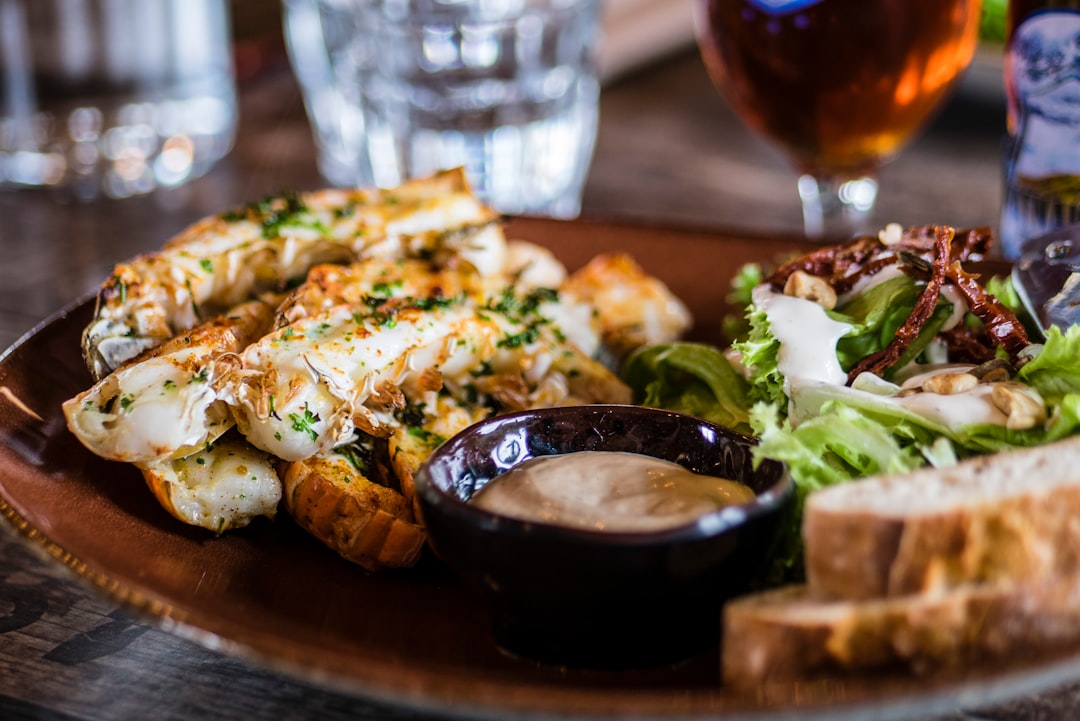
Photo by Davide Cantelli on Unsplash
My grandmother kept a clay pot on her kitchen counter that smelled like a science experiment had gone slightly wrong. She'd crack the lid open once a day, peer inside, and nod with satisfaction. I was maybe eight years old when I finally asked her what she was doing. "Feeding the good bacteria," she said simply. "They eat the vegetables. We eat them. Everyone's happy."
That clay pot was doing something that now costs Americans billions of dollars annually: it was fermenting vegetables into a form our bodies could actually use.
Why Fermentation Isn't Just Pickling in Disguise
Here's the thing that drives food scientists absolutely wild with frustration: most people think fermentation and pickling are the same thing. They're not even close. One involves living organisms breaking down food at the cellular level. The other involves dunking something in vinegar.
When you ferment vegetables—say, cabbage into sauerkraut or cucumbers into the real deal (not the vinegar-soaked impostor at your grocery store)—you're initiating a specific process called lacto-fermentation. This is where lactic acid bacteria, primarily Lactobacillus species, consume the sugars in your vegetables and produce lactic acid as a byproduct. This acid environment preserves the food while creating something biologically transformed.
The magic doesn't stop at preservation. During fermentation, bacteria actually break down some of the carbohydrates and proteins in vegetables into smaller, more digestible compounds. They also produce B vitamins that weren't present before. Your grandmother's kimchi contained more bioavailable nutrition than the identical cabbage sitting raw on the counter.
A study published in the Journal of the Science of Food and Agriculture found that fermented vegetables contained up to 27 times more bioavailable vitamin K2 than their unfermented counterparts. That's not a small difference. That's the kind of gap that shows up in actual health markers.
The Billion-Dollar Probiotic Industry's Uncomfortable Truth
Walk into any pharmacy or health food store and you'll see shelves lined with probiotic capsules. They range from fifteen dollars to seventy dollars per bottle. The global probiotic market hit $68 billion in 2023 and keeps climbing.
Here's what the industry doesn't want you to think about too hard: most commercial probiotic supplements are dead or dying by the time they reach your stomach.
Probiotics are living organisms, and living organisms don't do well in pills. They're exposed to air, heat, and moisture during manufacturing and storage. Studies show that many commercial probiotic formulations contain far fewer living bacteria than their labels claim. Some contain essentially none. The conditions in your stomach—the acid, the bile salts—then finish off whatever survivors made it that far.
Fermented foods, by contrast, deliver bacteria that have proven their ability to survive. These bacteria came into existence specifically because they could handle the acidic, salty, anaerobic environment. They're not theoretical. They're the toughened-up version that evolution spent months creating.
When you eat a spoonful of properly fermented kimchi, you're not just consuming bacteria—you're consuming the pre-digested, bacteria-transformed nutrients packed into a medium that protects those bacteria all the way to your colon.
Why This Matters More Than Instagram Food Trends
The fascination with fermented foods has exploded in the past decade, sure. But beneath the kombucha craze and sourdough bread obsession is something more substantial: a recognition that our ancestors understood microbiology without calling it that.
Fermented foods appear in virtually every human culture. Korean cuisine centers on kimchi. German cuisine has sauerkraut. Japanese cuisine has miso and tempeh. Middle Eastern cuisine has various fermented grains. Mediterranean cultures fermented olives and vegetables. This isn't coincidence. This is survival instinct.
Before refrigeration, before industrial agriculture, fermentation was one of the only ways to preserve vegetables through winter. But somewhere in the past 60 years, we've convinced ourselves that eating a year's worth of fresh produce—airfreighted across the globe, picked before it was ripe, treated with preservatives—was an improvement.
It wasn't. Our guts know it wasn't.
There's now substantial research suggesting that the rise in digestive disorders, autoimmune conditions, and mood disorders correlates with the disappearance of fermented foods from the typical Western diet. The American Gut Project, a crowdsourced study with over 10,000 participants, found that people who ate fermented foods regularly had measurably more diverse microbiomes—which is one of the strongest predictors of overall health.
Getting Started (Without Spending Money on Gadgets)
The beautiful thing about fermentation is that you don't need special equipment, probiotics, or instructions from someone trying to sell you something.
Take a jar. Add chopped vegetables—cabbage, carrots, radishes, whatever. Add salt at about 2% of the vegetable weight (so 2 grams of salt per 100 grams of vegetables). Add water if needed so the vegetables are submerged. Weigh them down with something. Leave them at room temperature, away from direct sunlight.
In three days to three weeks, depending on temperature and your taste preferences, you'll have fermented vegetables. That's it. There's no failure state here—it's either fermented or it's not, and both outcomes are safe.
If you want to get really into it, there are blogs and books and entire YouTube channels dedicated to the craft. But you don't need them to start. You just need to remember what your grandmother already knew: the bacteria will do the work if you just give them the right conditions.
If you're interested in the science of what we thought we knew about food fermentation, you should also read "The Umami Trap: Why MSG Gets Demonized While You're Already Eating It Everywhere"—it covers another aspect of how fermented foods actually work at the molecular level.
The Bottom Line
You don't need to spend a fortune on supplements to improve your gut health. You don't need special equipment or exotic ingredients. You need salt, vegetables, time, and the understanding that microorganisms have been solving nutritional problems for humans for thousands of years.
That clay pot on my grandmother's counter wasn't rustic or quaint. It was sophisticated technology, created by people who understood something fundamental about how to keep people healthy. We've just been calling it "old-fashioned" instead of recognizing it as superior.
Comments (0)
No comments yet. Be the first to share your thoughts!
Sign in to join the conversation.