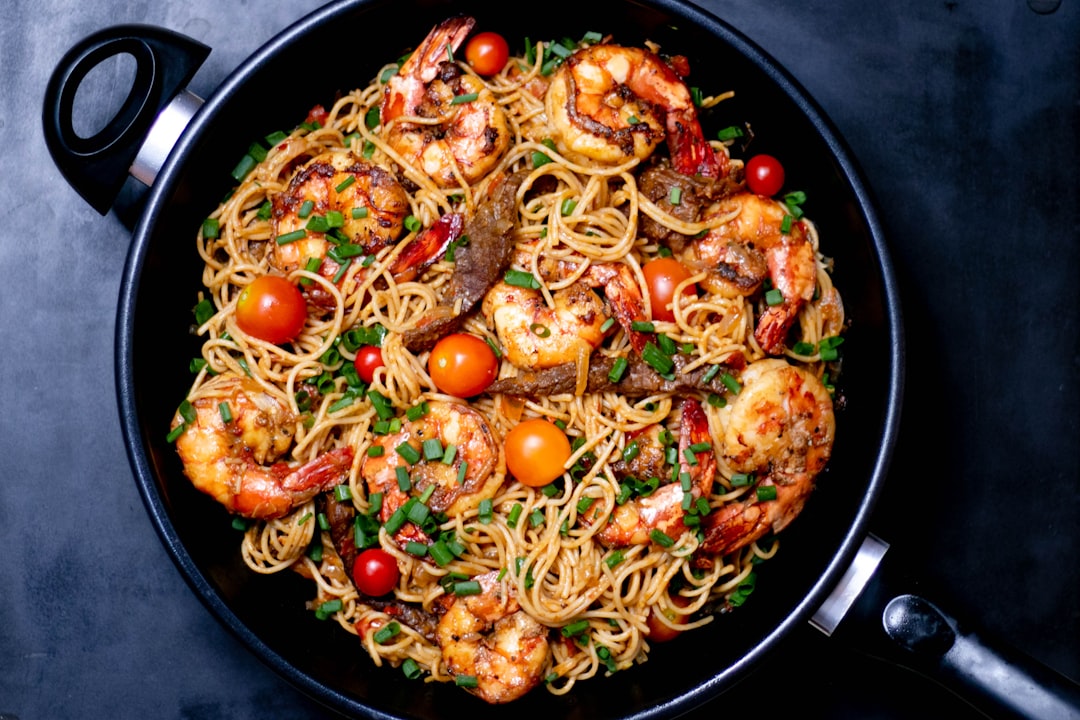
Photo by Olayinka Babalola on Unsplash
Last summer, I made kimchi for the first time with the confidence of someone who'd watched exactly two YouTube videos and owned a food processor. Three weeks later, I had a jar of something that tasted like spicy, mushy vegetables with all the complexity of a bad sneeze. I'd followed the recipe to the letter. So where did it go wrong?
The answer lives in fermentation, that magical microbial realm where salt, temperature, time, and pure luck collide to create something either transcendent or regrettable. Most home cooks—myself included—don't understand that making kimchi isn't like baking cookies. You can't control it the same way. And frankly, nobody tells you that upfront.
The Bacteria Know Something You Don't
Here's what happens when you make store-bought kimchi versus the homemade version: they're essentially controlled by different organisms. That's not poetic. That's the literal difference between fermented gold and fermented disappointment.
Commercial kimchi makers use lactic acid bacteria strains they've isolated, tested, and weaponized over decades. Napa cabbage from Chungcheong province, salt ratios calibrated to the microgram, temperature-controlled rooms, and starter cultures that cost more than your monthly grocery budget. When you buy a jar of authentic Korean kimchi, you're getting the result of precise fermentation science dressed up as a condiment.
When you make kimchi at home, you're relying on whatever bacteria happens to be living on your cabbage, in your kitchen air, and on your hands. You're essentially running an uncontrolled experiment where the variables include your local humidity, the exact type of sea salt you could afford, and whether your kitchen is closer to 68 degrees or 72 degrees Fahrenheit. That three-degree difference matters more than you'd think.
The bacteria responsible for good kimchi is primarily Lactobacillus, and it thrives in salt-heavy, anaerobic environments at specific temperatures. Too cold, and fermentation slows to a crawl. Too warm, and you get fast fermentation that produces vinegary, aggressive flavors instead of the complex, funky depth of properly aged kimchi. Most home fermentations happen in kitchen corners that are, let's be honest, total temperature wild cards.
Time Is Your Enemy and Your Only Ally
When I checked my homemade kimchi after three weeks, I assumed it was done. Ready to eat. Finished product. I was operating under the assumption that kimchi fermentation is like yeast bread—it rises, it's done, you eat it.
Wrong.
Store-bought kimchi? It's been aging for months before it hits the shelf. Sometimes six months. Sometimes longer. The flavor compounds build gradually as the Lactobacillus produces lactic acid, and various enzymes break down proteins and carbohydrates into umami-rich components that make your taste buds actually interested in eating the stuff. That mine tasted flat and one-dimensional after three weeks makes perfect sense now. It hadn't had time to develop a personality.
But here's the cruel part: if you just leave your jar sitting in your fridge for six months like the professionals do, nothing happens at the right speed anymore. Refrigeration slows fermentation dramatically. What takes weeks at room temperature takes months at cold temperatures. And at some point, you stop being a home cook and start being someone with a suspicious jar they're too stubborn to throw away.
This is why many home fermentation enthusiasts actually maintain two-stage fermentation systems: an initial stage at room temperature for 1-3 weeks where the fermentation gets aggressive and active, and then a long aging stage in the refrigerator. Even then, results are inconsistent. Temperature fluctuations, seasonal variations, and the random microbial composition of your specific kitchen all play roles.
The Ingredients Tell Lies
Every kimchi recipe lists the same basic components: napa cabbage, gochugaru (Korean red chili flakes), garlic, ginger, fish sauce, salt, and sometimes a few other things like daikon radish or scallions. Read enough recipes, and they all sound identical. So why do they produce wildly different results?
The gochugaru is a perfect example. This isn't just "red chili flakes." Real gochugaru from Korea is a specific product made from a specific type of chili pepper, dried in a particular way, and ground to a particular texture. If you buy generic red chili flakes from your local supermarket, you're getting something that behaves completely differently in fermentation. The moisture content varies. The flavor profile varies. The way it interacts with bacteria varies.
Fish sauce is another rabbit hole. Korean-style fish sauce (called "jeotgal" or anchovy sauce when it's specifically for kimchi) is not the same as Vietnamese fish sauce, Thai fish sauce, or any other variation. Each brings different umami compounds and fermentation characteristics. Your kimchi will taste different depending on which one you use, how old it is, and what brand it came from.
Even the salt matters—and I mean the specific mineral composition of sea salt versus iodized table salt. Sea salt has trace minerals that influence fermentation rates and flavor development. Table salt is pure sodium chloride with anti-caking agents that can affect microbial activity. Most recipes just say "salt," which is like saying "use an ingredient."
If you're following a recipe from someone who tested it with specific ingredient brands in their specific kitchen at their specific altitude, and you're using different brands in a different climate zone, you're not making their kimchi. You're making a completely different dish that happens to have the same name.
The Equipment You Think Doesn't Matter (It Does)
Here's something nobody mentions: the container changes everything. Glass jars, ceramic crocks, plastic buckets, and even those fancy fermentation jars with airlocks all produce slightly different results because they create different internal environments.
Glass is generally inert but transmits light (which can affect fermentation). Ceramic allows micro-gas exchange. Plastic sometimes leaches compounds into the ferment. Airlocks prevent mold but can create pressure problems. The jar size affects oxygen exposure at the surface. The depth of the brine layer affects which bacteria thrive in different zones of your kimchi.
Then there's the weight-holding-down-the-vegetables problem. In Korea, many home cooks and commercial operations use weighted systems that keep everything submerged, preventing mold growth and ensuring consistent fermentation. Most home cooks just jam a smaller jar inside their larger jar and hope.
If you want to understand why your kimchi doesn't taste like store-bought kimchi, start here: you're fermenting it in a different container, at a different temperature, for a different duration, with different ingredients, using different salt, relying on different bacteria. It's genuinely impressive that it's edible at all.
So Why Bother Making It at Home?
If this all sounds discouraging, the answer is: it should be a little bit. Making great kimchi at home is genuinely hard. But here's what you get in exchange for the difficulty: customization, freshness, and the obsessive satisfaction of creating something complex from basic ingredients.
You can adjust the spice level, the funk factor, the vegetable ratio. You can use whatever produces are in season. You can create fermented foods tailored to your specific bacteria environment and climate, which actually makes them potentially more beneficial for your gut in ways store-bought products might not be.
If you want to try again, start by accepting that your first attempts will be learning experiences. Get quality ingredients. Maintain consistent temperature. Be patient. And if you want to understand the common pitfalls beyond just fermentation temperature, check out Why Your Sourdough Starter Keeps Dying (And What Bakers Won't Tell You)—because honestly, fermentation failure has a lot of consistent patterns, whether you're dealing with kimchi or bread.
Your homemade kimchi might never taste exactly like the jar you bought at the Korean market. But if you understand the science behind why, you can at least make it taste intentional instead of accidental.
Comments (0)
No comments yet. Be the first to share your thoughts!
Sign in to join the conversation.