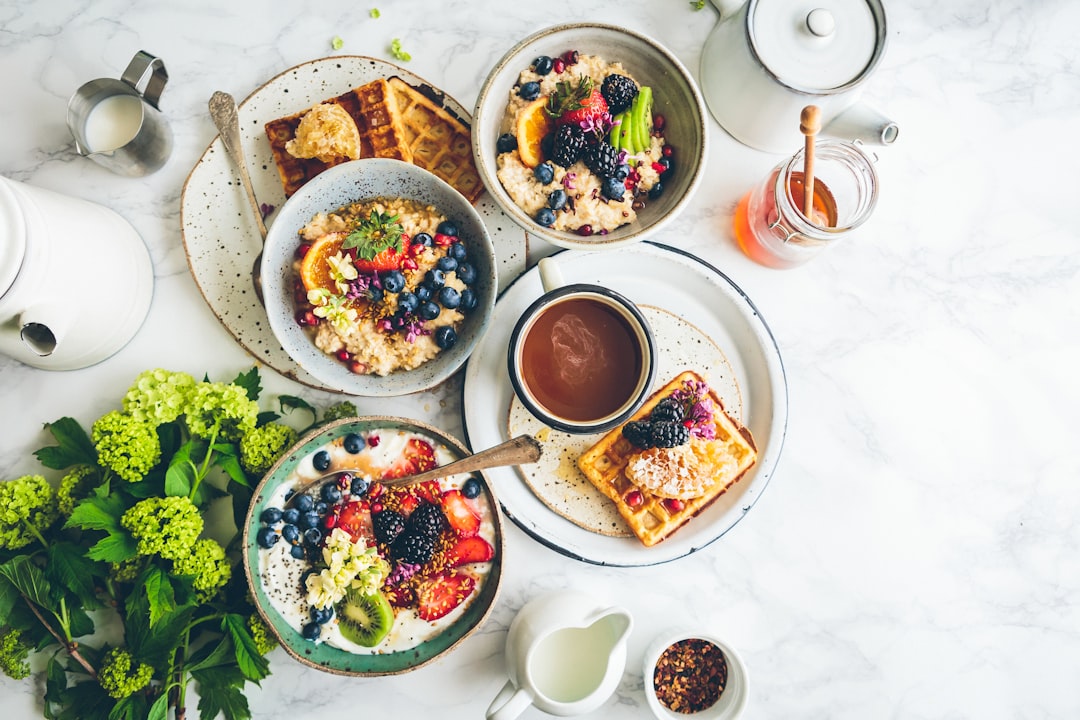
Photo by Brooke Lark on Unsplash
The Great Fermentation Betrayal
Walk into any grocery store and grab a jar of pickles. Flip it over. Chances are you'll see a confusing list of ingredients: vinegar, sure, but also calcium chloride, sodium benzoate, yellow 5, and something called "natural flavoring." These aren't pickles. They're vinegar-soaked cucumber impersonators masquerading as the real thing.
True fermentation is a slow dance between salt, vegetables, time, and beneficial bacteria. It's messy. It's unpredictable. It takes weeks. The modern food industry, allergic to both unpredictability and patience, has replaced this ancient process with a chemical shortcut that delivers the sour taste in days while stripping away everything that made fermented foods valuable in the first place.
My grandmother kept a crock of pickles in her basement that lasted all winter. A single bite contained millions of living lactobacillus bacteria, complex flavor compounds that developed over months, and a probiotic payload that supported her gut health without her even knowing what probiotics were. Compare that to the shelf-stable "fermented" product that spent three days in vinegar and six months waiting to be purchased, its supposed beneficial bacteria long dead from processing and pasteurization.
What Actually Happens During Real Fermentation
Fermentation is microbiology without the lab coat. When you submerge vegetables in saltwater, you create an anaerobic environment—one without oxygen. This triggers a chemical reaction that's been feeding humans for thousands of years.
Naturally occurring bacteria on the vegetable surface, particularly Lactobacillus species, spring to life. These bacteria consume the sugars in vegetables and produce lactic acid as a byproduct. This acid drops the pH below 4.6, creating an environment hostile to dangerous pathogens like botulism while welcoming beneficial microbes. Over days and weeks, the flavor develops. The texture changes. New compounds form through enzymatic reactions. A simple cucumber transforms into something with depth, complexity, and genuine nutritional value.
The living bacteria in properly fermented vegetables are the whole point. They colonize your gut, produce B vitamins, break down complex carbohydrates your stomach can't handle alone, and generally function as tiny allies supporting your digestive system. Studies suggest that people consuming fermented foods have more diverse gut microbiomes—the holy grail of modern nutrition.
But here's the industrial problem: living bacteria are unstable. They keep evolving. They can develop unexpected flavors. Sometimes ferments fail. This unpredictability drives food manufacturers absolutely mad. They'd rather guarantee consistency through chemistry.
How the Industry Faked the Funk
The modern grocery store pickle typically uses one of two strategies to simulate fermentation without actually fermenting.
Strategy one: the vinegar shortcut. Cucumbers get packed with vinegar, salt, and spices, then heated. Pasteurization kills any living bacteria, ensuring shelf stability. The sour taste is there, so consumers think they're getting fermentation. They're not. They're getting acid without the probiotic benefits. They're getting flavor that hits one note instead of the complex chord of true fermentation.
Strategy two: the speed-ferment facade. Some manufacturers do allow actual fermentation, but they rush it with starter cultures and temperature control, then pasteurize the final product anyway. Any living bacteria that might have developed get killed to ensure the product won't continue fermenting in the jar—because that would mean losing control over the product.
The ingredient list gives it away. Real fermented vegetables need exactly three things: vegetables, salt, and water. Everything else signals a shortcut.
The Miso and Kimchi Exception (For Now)
Some fermented foods have held their ground. Authentic kimchi and miso are harder to fake because their complexity is too obvious when it's missing. You can tell immediately when kimchi has been rushed or pasteurized. The living, slightly fizzy quality is unmistakable in good miso.
But even these are under pressure. Mainstream grocery stores stock heavily pasteurized versions. Korean and Japanese importers are investing heavily in cold chain logistics specifically to keep living ferments alive until they reach consumers. It's becoming a premium product category—not because real fermentation is expensive, but because it requires logistics infrastructure that doesn't value shelf-stability above all else.
This creates a bizarre situation where more people than ever claim to care about gut health and fermented foods, yet the actual availability of properly fermented products keeps shrinking in conventional retail. The products are there. They're just not actually fermented.
Why You Should Just Make Your Own
Here's the radical part: fermentation at home is absurdly easy. Genuinely easier than most cooking.
A simple sauerkraut requires nothing but shredded cabbage and salt. Massage them together for five minutes. Pack them in a jar. The cabbage's own water creates the brine. Cover it loosely and leave it on your counter. In three to seven days, you've got fermented cabbage with millions of living bacteria and more flavor complexity than anything sold in stores.
The investment is negligible. A pound of cabbage costs two dollars. Salt costs pennies. The only expensive thing is time, and even that only costs you zero dollars and zero minutes of active work—it's passive waiting.
If you're concerned about doing it wrong, you won't. The salt concentration prevents harmful bacteria from thriving while encouraging lactobacillus. The process is self-regulating in ways that home cooks have understood for centuries. Your great-grandmother didn't have food science textbooks, and her ferments worked fine.
If you want to understand why industrial food is what it is, start fermenting at home. Within a week you'll taste the difference so clearly that you'll never look at store-bought fermented products the same way. If you're interested in how the food industry manipulates flavor, you should also read The Umami Trap: Why Your Grocery Store Is Weaponizing Your Taste Buds Against Your Health—it explains the broader strategy of which fake fermentation is just one small, delicious piece.
The fermentation conspiracy isn't a secret plot. It's just the logical endpoint of an industry that values predictability over nutrition and shelf life over living food. The solution isn't organizing or protesting. It's grabbing a head of cabbage and a jar and remembering that some of the most powerful foods humans have ever eaten require no special equipment, no expertise, and no permission from anyone but patience and salt.
Comments (0)
No comments yet. Be the first to share your thoughts!
Sign in to join the conversation.