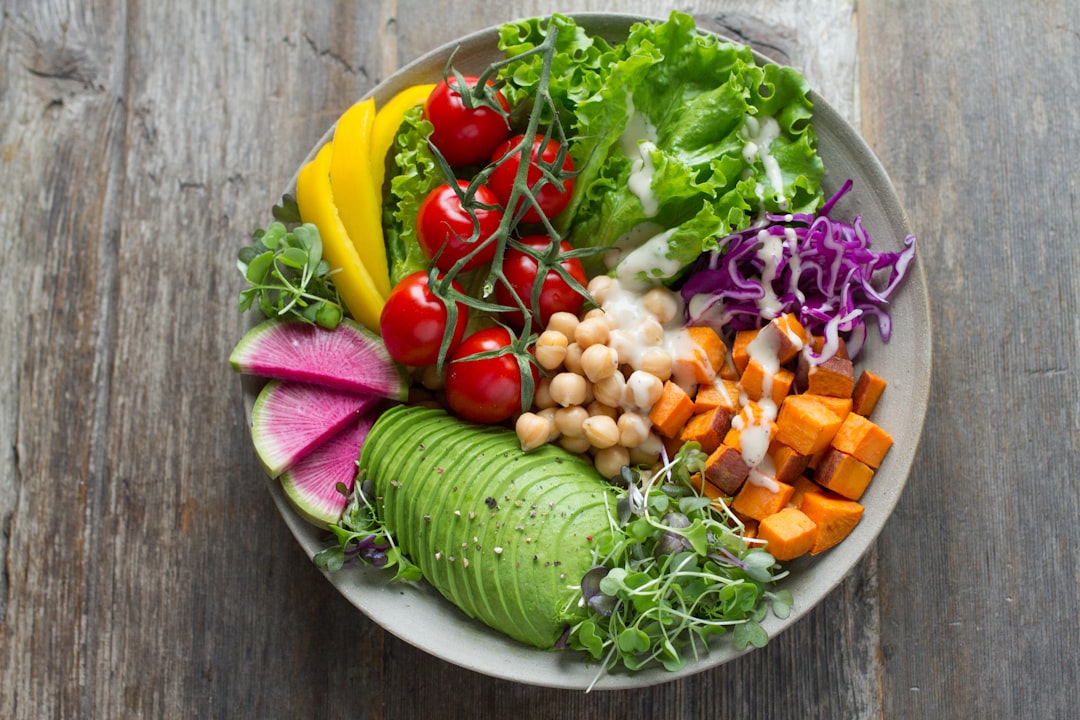
Photo by Anna Pelzer on Unsplash
Walk into any Whole Foods or even a standard suburban grocery store in 2024, and you'll find something that would've seemed impossible fifteen years ago: an entire shelf dedicated to fermented vegetables, multiple brands of kombucha, rows of miso paste, and enough varieties of kimchi to make your head spin. The fermentation revolution didn't announce itself with press releases or celebrity endorsements. It simply happened, quietly and relentlessly, transforming what was once considered "weird" into the default option.
I noticed this shift personally when my mother—a woman who thought Greek yogurt was adventurous—casually mentioned she'd been buying raw sauerkraut for her digestion. Not because a doctor told her to, but because her book club friends had been raving about it. That's when I realized we weren't dealing with a trend anymore. We were witnessing a genuine cultural recalibration of how we think about food, health, and flavor.
The Numbers Don't Lie: Fermentation Is Booming
The data backs up what we're seeing in stores. The global fermented food market was valued at approximately $750 billion in 2023, and it's projected to grow at a compound annual growth rate of 7.8% through 2030. That's not "trendy health fad" growth—that's "fundamental shift in consumer behavior" growth. The kombucha market alone grew by 25% annually from 2015 to 2021, though it's since stabilized as it moved from novelty to necessity in millions of households.
What's particularly fascinating is the demographic spread. It's not just wellness-obsessed millennials anymore. Sales data shows that fermented foods are gaining traction across age groups, from Gen Z experimenting with home fermentation to retirees who remember when their grandmothers made these foods out of necessity rather than choice. The SPINS data from 2022 showed that fermented vegetables experienced a 12% growth surge, while plant-based fermented options grew even faster.
How We Got Here: From Health Hack to Dinner Table Staple
The fermentation boom didn't emerge from nowhere. It required a perfect storm of factors coming together. First, there was the microbiome revolution in science. When researchers started publishing studies in the mid-2010s showing links between gut bacteria and everything from mental health to immune function, suddenly fermented foods weren't just tasty—they were medicine. Michael Pollan's 2013 book "Cooked" gave fermentation a philosophical underpinning that made it feel intellectual, not just healthy. Then came the Instagram phase, where aesthetically pleasing jars of fermenting vegetables became content gold.
But here's what I think people underestimate: fermented foods tasted genuinely better to people once they tried them. The umami-rich savoriness of miso, the complex tang of naturally fermented kimchi, the subtle sweetness of a well-made kombucha—these aren't acquired tastes, despite what snobs claim. They're delicious tastes that most Americans simply hadn't experienced before.
The 2020 pandemic accelerated everything. People stuck at home wanted to control their food supply and experiment with new hobbies. Home fermentation supply kits started flying off shelves. Suddenly, mason jars filled with fermenting vegetables became a pandemic hobby on par with sourdough—speaking of which, fermentation and bread-making often went hand-in-hand in quarantine kitchens. Many people who started fermenting cabbage in their kitchens never stopped.
The Business Opportunity Everyone Saw Coming (Eventually)
Major food corporations were slow to respond initially. Kraft and Nestlé didn't have fermentation expertise, and buying into the space meant acquiring smaller brands or admitting they'd been wrong about food chemistry for decades. But when the growth numbers became undeniable, the floodgates opened.
Nestlé launched fermented product lines. Traditional condiment companies started experimenting with fermented versions of their products. You can now buy fermented hot sauce, fermented hot honey, even fermented ketchup. Some of this is genuinely excellent. Some of it is corporate greenwashing, slapping the word "fermented" on products with minimal actual fermentation and maximum added sugars.
The real winners, though, have been the founders who started with authenticity. Probiotic-focused brands like Remedy Kombucha, Remedy Health Sciences, and countless smaller operations built their reputations on actual fermentation expertise. They didn't rush production or cut corners, and consumers could taste the difference. These founders now run nine-figure businesses.
The Authenticity Question Nobody's Talking About
Here's where things get complicated. Not all fermented foods are created equal. Industrial fermentation—often involving pasteurization and added probiotics that may or may not survive your digestive process—is fundamentally different from traditional fermentation done in someone's kitchen or a small producer's facility. The living cultures in unpasteurized fermented foods are a different beast entirely from the dead cultures in many mass-market options.
Some of the most beloved traditional fermented foods are now being produced in ways that honor the original methods, while others have been engineered for shelf stability and profit margins at the expense of actual health benefits. Korean kimchi companies fought back against this by establishing a Protected Geographical Indication status in the EU, insisting that real kimchi requires genuine fermentation time, not just added vinegar and flavoring.
The genuine fermented food producers understand something that the copycat corporations are still learning: fermentation requires time, patience, and acceptance of natural variation. You can't always predict how a batch will turn out. The microorganisms aren't reading the recipe. But that's exactly what makes real fermented food valuable.
What's Next for Fermentation?
If you want to understand where food culture is heading, pay attention to fermentation. The category has already moved from health trend to mainstream staple. The next phase? Premiumization and specificity. Expect to see single-origin fermented products, heritage breed fermentation techniques, and fermentation experiments with unusual ingredients gaining traction among food enthusiasts.
Home fermentation will likely remain popular, but it'll become more specialized and technique-focused rather than just "put vegetables in salt water and wait." People will experiment with different koji strains, specific microbial cultures, and temperature-controlled fermentation chambers the way they currently experiment with espresso machines.
If you haven't experienced the fermentation revolution yet, now's the time to pay attention. Whether you're buying mass-market kombucha or starting your own kimchi jar in your kitchen, you're participating in something bigger than a food trend. You're following humanity's oldest food technology back into relevance, and this time, science has caught up with the wisdom of generations.
If you're interested in how our obsession with food connects to larger cultural movements, check out The Great Umami Lie: Why Your Favorite Foods Are Scientifically Designed to Make You Crave More to understand the deeper science behind why we're drawn to these flavors in the first place.
Comments (0)
No comments yet. Be the first to share your thoughts!
Sign in to join the conversation.