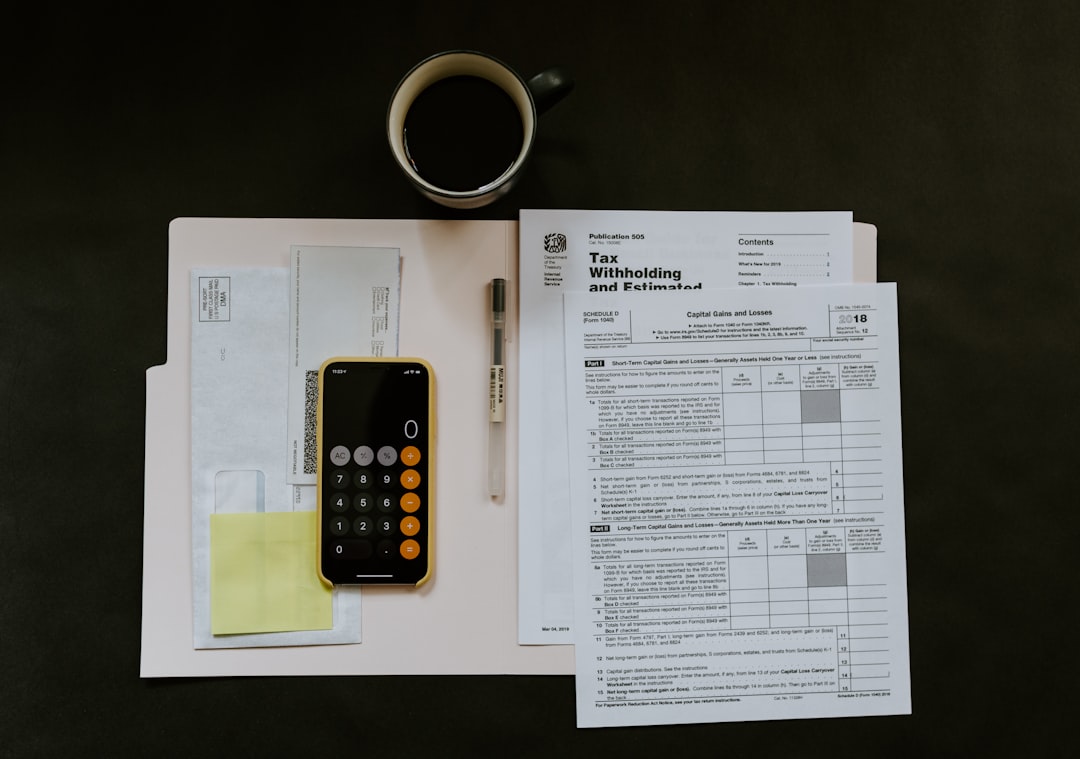
Photo by Kelly Sikkema on Unsplash
Sarah realized her problem on a random Tuesday afternoon. While reviewing her bank statement, she noticed a charge for $9.99 labeled "Premium Membership." Then another for $14.99. And another for $12.99. She couldn't remember signing up for half of them. A quick audit revealed seventeen active subscriptions across streaming services, fitness apps, productivity tools, and specialty software. The monthly total? $187. Annually? Over $2,240.
Sarah's situation isn't unique. She's caught in what financial experts call the "subscription economy trap"—a deliberately engineered system that exploits human psychology and makes it absurdly easy to spend money on things we forget we're paying for.
The Genius (and Evil) of the Subscription Model
The subscription model is fundamentally different from traditional purchases, and companies know exactly why this matters. When you buy something outright, you feel the pain of the transaction. Your brain registers the loss. But a $14.99 monthly charge? That's small enough to barely register. It doesn't hurt. It doesn't feel "real."
This is behavioral economics at work. Research from the University of Pennsylvania found that recurring charges feel approximately 60% less painful than equivalent one-time purchases. Netflix's decision to charge monthly instead of asking for $179.88 upfront isn't accidental—it's calculated psychology.
Companies have also deliberately made cancellation inconvenient. Try canceling a gym membership or a streaming service sometime. Many require phone calls, not simple online buttons. Some bury the cancellation option so deep in their settings that users give up. This strategy has a name: "dark patterns." And it works. A 2022 AARP study found that 34% of Americans with subscriptions admit they're paying for services they no longer use.
The Real Cost of "Small" Monthly Charges
Here's where the math gets concerning. Let's say you sign up for five subscriptions you actually use: streaming ($15), fitness ($20), cloud storage ($10), music ($10), and productivity software ($15). That's $70 monthly, or $840 yearly. Reasonable, right?
But the average American has 10.7 active subscriptions, according to a 2023 McKinsey report. Even at modest prices, this averages to about $100-150 per month. For a household. That's $1,200 to $1,800 annually—roughly equivalent to a used car payment, a month of rent for many Americans, or an entire year of student loan payments.
The insidious part? Most people underestimate their subscription spending by 40%. When asked to estimate, people guess an average of $45/month. Reality check: most are actually paying $120+.
Now multiply this across the entire U.S. adult population. Americans collectively spend approximately $18 billion annually on subscriptions they don't fully utilize. Eighteen. Billion. Dollars. Mostly for services they've forgotten they own.
Why You Keep Forgetting You Have These Charges
There's a reason you don't remember signing up for that meditation app or that premium font subscription. These companies are exploiting something called the "free trial trap."
You see an ad. "Try free for 30 days!" It sounds harmless. The activation energy to try something new is low—just enter your card details. What's the risk? But here's the catch: the company is banking on inertia. They know that roughly 75% of people who sign up for free trials won't actively cancel them. They'll just forget. The trial expires, billing begins, and months pass before anyone notices.
Some companies make this worse by starting the trial on day one and the hidden billing on day 29—an absolute minimum notification window. Others charge immediately but make the charges appear under different company names, so they don't match the service you remember.
Your brain is also complicit in this. As our lives become more digital, we accumulate more subscriptions. Each individual charge seems minor. Your attention is divided. And let's be honest: keeping track of dozens of recurring payments requires organizational systems most people simply don't have.
The Strategy to Reclaim Your Money
Fighting back requires deliberate action. Start with an audit. Pull six months of bank and credit card statements. Write down every recurring charge. Yes, every single one. You'll likely be shocked.
Next, categorize them: actively used, occasionally used, and never used. Be honest. That yoga app you swore you'd use? If you haven't opened it in three months, it goes in the "never used" pile.
Cancel the "never used" subscriptions immediately. Don't worry about whether you might use them later. Spoiler alert: you won't. These free-up funds immediately.
For "occasionally used" subscriptions, consider whether you could consolidate. Many people pay for multiple streaming services, for instance. Netflix, Disney+, Hulu, and HBO Max can run $60+ monthly. A better strategy: rotate. Subscribe to one service, binge what you want, cancel, move to the next. Saves thousands yearly while keeping your options open.
Finally, establish a rule for new subscriptions: if you won't use something weekly, it doesn't get a recurring charge. One-time purchases only. This simple mental filter prevents most subscription bloat.
Also worth exploring: if you're serious about optimizing your finances, understanding how recurring charges interact with your broader financial strategy matters. The Roth Conversion Loophole That Could Add $500K to Your Retirement shows how small financial optimizations compound over decades—the same principle applies to subscription waste in reverse.
Building a Subscription System That Actually Works
Once you've purged unnecessary subscriptions, build a system to prevent backsliding. Set phone reminders to audit your subscriptions quarterly. Seriously—put it on your calendar like a dentist appointment.
Some people use subscription management apps like Truebill or Trim that track recurring charges. Others prefer a simple spreadsheet. The method matters less than the habit.
Most importantly, shift your mentality. In the subscription economy, you're not the customer—you're the product. Companies are designing these systems to extract maximum money with minimum consciousness on your part. Once you understand this, it becomes easier to resist. That free trial isn't a gift. It's bait.
Sarah eventually cut her subscriptions from seventeen to four: streaming for entertainment, fitness because she actually goes to classes, cloud storage for work, and music. Her new monthly bill? $52. Annual savings? Nearly $1,600.
That's enough for a solid vacation. Or a used car down payment. Or just peace of mind knowing her money is going where she actually intends.
Comments (0)
No comments yet. Be the first to share your thoughts!
Sign in to join the conversation.