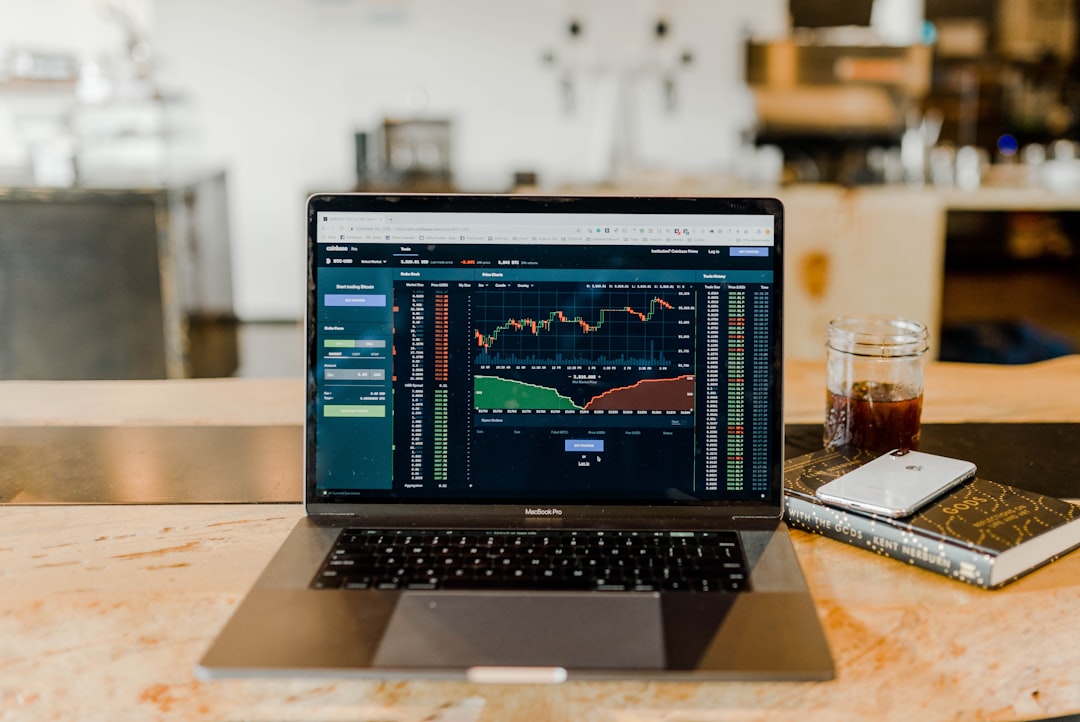
Photo by Austin Distel on Unsplash
Sarah's wake-up call came at 3 a.m. when she couldn't sleep and decided to audit her bank statements from the past year. She found charges for four different streaming services, a meditation app she used once, two meal-prep subscriptions, and a gym membership she'd stopped visiting in February. The total? $2,847. That's more than her monthly rent.
Sarah isn't unusual. The average American household now pays for 4.7 subscriptions, according to recent consumer data. But here's where it gets wild: most people can't accurately remember what they're subscribed to. We've created a financial blind spot so normalized that losing hundreds of dollars a year feels like just "part of life."
Why Subscriptions Feel Invisible
Companies have weaponized psychology against our wallets, and they're remarkably effective at it. A subscription model is fundamentally different from a one-time purchase. When you buy something outright, your brain processes it as a loss. You feel the pain. You see the money leave your account in one lump sum, and you're aware of the trade-off you've made.
But subscriptions? They're designed to be forgotten. A $14.99 monthly charge barely registers on a credit card statement stuffed with dozens of transactions. It's small enough to ignore but large enough to add up catastrophically over time. This is completely intentional.
The industry calls this "friction reduction." Companies remove every possible barrier between you and signing up. One click. Auto-renewal. No confirmation emails asking "Are you sure?" Meanwhile, canceling often requires digging through account settings, finding a "Contact Us" page, or calling a customer service line that puts you on hold for 20 minutes. The friction works both ways, and it's designed that way.
Netflix, Disney+, and Amazon Prime have perfected this model so thoroughly that most people don't even think of them as subscriptions anymore—they're just "things that exist." But when you stack them with lesser-known services? That's when the financial hemorrhaging becomes serious.
The Math That Should Scare You
Let's do actual numbers instead of pretending this is abstract. Imagine you're paying for:
Netflix ($15.49/month), Disney+ ($7.99), Hulu ($7.99), HBO Max ($15.99), Apple TV+ ($9.99), Paramount+ ($11.99), Amazon Prime ($139/year = $11.58/month), Spotify ($10.99), a productivity app ($4.99), and a fitness app ($9.99).
That's $105.99 per month. $1,271.88 per year. For someone making $50,000 annually after taxes, that's roughly 3% of their entire take-home income. On a $35,000 salary, it's closer to 4.4%. And I haven't even included cloud storage, newsletter subscriptions, or specialized software.
Now imagine you're not actively using half of them. You've watched everything worthwhile on HBO Max but haven't canceled. You signed up for that meal-prep service "just to try it" four months ago and keep forgetting to turn it off. Suddenly you're paying $635 a year for services providing zero value.
Over a 30-year period, that's $19,050 you'll never see again. That's a round-trip international flight, a used car, a significant chunk of a down payment on a house, or nearly two years of groceries. And that's just the subscriptions you don't use.
The Subscriptions Hiding in Plain Sight
Here's what makes this worse: companies are getting sneaky about burying subscriptions inside other products. You buy a new phone, and suddenly you're paying for cloud storage you never explicitly agreed to renew. You purchase furniture from a retailer and find yourself enrolled in a "membership program" that automatically charges you quarterly. Some apps offer a free trial, and the moment that trial ends, they switch you to a paid subscription without any warning.
Adobe is famous for this. Their Creative Suite is subscription-only now, and many creative professionals find themselves trapped in expensive annual contracts because switching to alternatives requires learning entirely new software. It's a captive market, and Adobe knows it.
Even your bank might be selling you subscriptions disguised as "premium account features." Check your banking app right now. Seriously. Look for sections labeled "add-ons" or "premium services." Many people have paid for fraud protection features their bank already provides, or overdraft notification services that should be free.
Taking Back Control
The first step is visibility. Sit down for 30 minutes and go through your credit card and bank statements for the past three months. Write down every recurring charge. Don't guess—actually look. You'll probably find subscriptions you completely forgot about. That's the goal.
Next, ask yourself a hard question about each one: Would I pay for this again today if I had to actively choose to? If the answer is no, cancel it immediately. Hesitation is a red flag. You shouldn't feel conflicted about keeping a service you value.
Some practical tactics:
Use a credit card specifically for subscriptions. This makes it easier to track them and easier to notice new charges. Many people set a phone reminder when their subscription renews, so they consciously think about whether to keep it.
Share premium subscriptions strategically. Netflix and other major services allow multiple simultaneous streams. Splitting the cost with friends or family members can cut your expenses dramatically—just make sure you're complying with terms of service.
Rotate subscriptions seasonally. You don't need all streaming services at once. Subscribe to get caught up on a show, then cancel and move to the next service. Yes, this requires more active management, but it could save thousands annually.
Set a subscription budget.** If you've identified subscriptions you genuinely want to keep, set a monthly cap for yourself. Make it a real budget line item, just like groceries or transportation. When you hit the limit, something has to go.
If you're interested in broader spending habits and how companies manipulate consumer behavior, you might find this exploration of credit card rewards programs equally eye-opening.
The Bigger Picture
What's really happening here is a systematic transfer of financial control. Companies would rather you stop thinking critically about your spending. They want subscriptions to feel inevitable, like electricity or internet—just another non-negotiable bill. But they're not. Every single one is optional, and every single one should be regularly questioned.
The subscription economy has generated enormous shareholder value for tech companies by extracting money from people who don't actively manage their finances. It's legal, it's normalized, and it's costing most households thousands of dollars annually.
You're not lazy or stupid if you have forgotten subscriptions running. You're human, and these systems are deliberately designed to exploit human psychology. The good news? Once you see it, you can fight back. Start tonight. Check your statements. Find the invisible charges. Cancel what you don't use. Your future self will thank you.
Comments (0)
No comments yet. Be the first to share your thoughts!
Sign in to join the conversation.