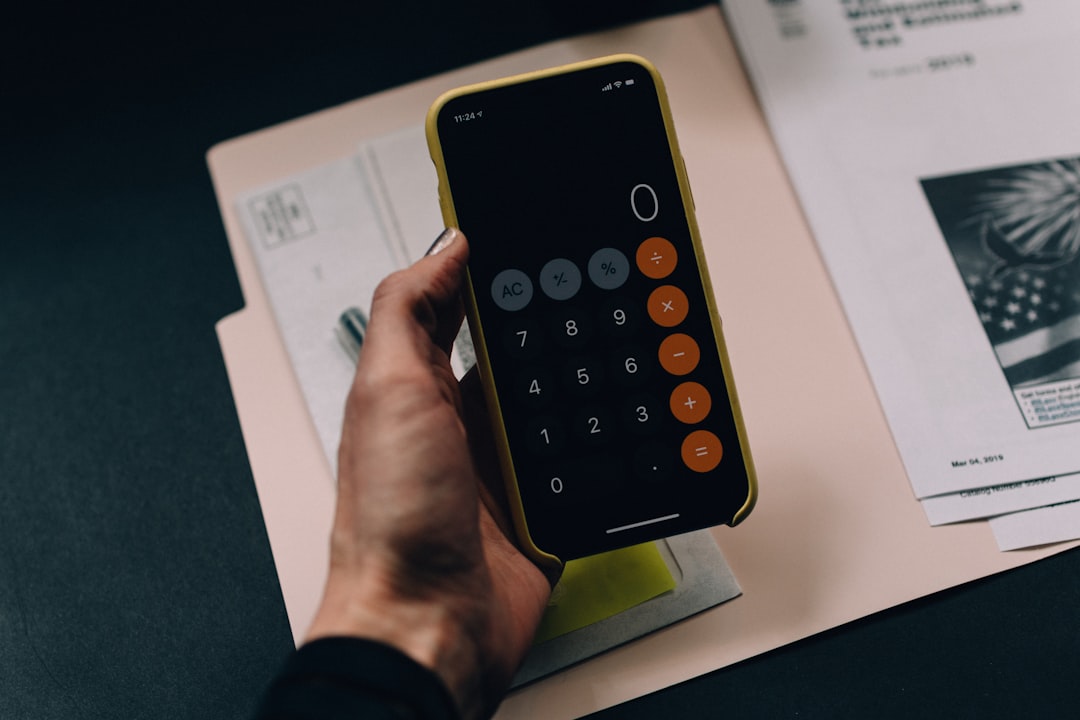
Photo by Kelly Sikkema on Unsplash
Sarah opened her credit card statement one Tuesday morning and felt her stomach drop. There it was: a charge from "Skillshare International" for $32. She didn't remember signing up. But that was just the beginning. As she scrolled through three months of statements, she found charges from Grammarly ($144), a meal kit service she'd used once ($89), Adobe Creative Cloud ($360), three different meditation apps ($156 combined), and a forgotten weight-loss app ($108). The total? $1,247 in three months. For services she wasn't using.
Sarah's situation isn't unique. According to a 2024 Bankrate survey, the average American household subscribes to 5.3 streaming services alone, with monthly costs ranging from $5 to $22 each. But streaming is just the appetizer. When you add in software subscriptions, fitness apps, productivity tools, meal plans, and specialty services, the average household is now spending between $200 and $400 monthly on recurring charges they rarely examine.
The worst part? Most people can name maybe 40% of their active subscriptions.
The Math That Should Terrify You
Let's be specific. Imagine you have these subscriptions—all completely reasonable choices individually:
Netflix ($15.49), Disney+ ($7.99), Hulu ($7.99), HBO Max ($19.99), Apple Music ($11.99), Spotify ($11.99), Microsoft 365 ($100/year), Adobe Lightroom ($10/month), Canva Pro ($180/year), Duolingo Plus ($7.99/month), ClassPass ($159/month), Notion ($120/year), Todoist ($36/year), and Amazon Prime Video ($14.99/month).
That's $4,156 per year. For a single person. In a household with two people who each have their own accounts? Double it. Suddenly you're looking at $8,000 annually—roughly the cost of a used car, or a decent vacation to Europe, or five years of car insurance.
The subscription industry knows this is how you think. They've weaponized your psychology. They offer "free trials" knowing 45% of people forget to cancel. They charge small amounts specifically because $12.99 feels painless, but $155.88 per year for that one service doesn't register the same way. They make cancellation a three-step process requiring you to dig through account settings. They send cancellation confirmation emails to the wrong address. They're not bugs; they're features.
Why You Keep Paying for Things You Don't Use
There's a psychological trap at work here, and subscription companies have studied it extensively. It's called the "sunk cost fallacy" combined with a dash of optimism bias.
You pay for that $50/month fitness app because somewhere in your brain, you genuinely believe you'll start using it next month. You maintain that $15/month language learning subscription because canceling feels like admitting defeat. That $30/month meal kit service? You're convinced you'll have time to cook next week. These subscriptions aren't just charges—they're monthly reminders of aspirational versions of yourself that don't quite exist yet.
Then there's the actual inconvenience factor. Canceling a subscription requires finding your account, locating the billing section, confirming your identity, and often waiting for customer service chat support that conveniently goes offline at 5 PM. Some services—looking at you, Adobe—make it genuinely difficult to cancel, with warnings about losing access to saved files and vague threats about account data.
A 2023 study from Consumer Reports found that 74% of people have subscriptions they've forgotten about entirely. Not just underused—completely forgotten. That's not a character flaw. That's how the system is designed.
The Hidden Math: Opportunity Cost
Here's the part that really should bother you. If you're paying $300 monthly on subscriptions you partially use, that's $3,600 yearly. If that money went into even a basic index fund averaging 7% annual returns, over 30 years, you'd have roughly $432,000. Yes, really. That's not even accounting for compound growth on top of that.
This is why subscription services have exploded. Every company with a product now has a subscription version. Why buy software once when you can rent it forever and guarantee recurring revenue? The business model is brilliant for companies. It's disastrous for your finances.
If you're wondering whether this applies to side income, the answer is complicated. Before you justify subscriptions for business purposes, read "The $47,000 Mistake: Why Your Side Hustle Tax Strategy Is Costing You a Fortune" to understand the real cost of business expenses.
Your Action Plan: Breaking the Subscription Cycle
This is actually fixable, and the solution is embarrassingly simple.
First, pull up your last three months of bank and credit card statements. Search for recurring charges. Write them all down. Actually write them down—seeing them listed physically, not buried in statements, hits different.
Next, ruthlessly categorize them: Essential (1-2 services max), Occasional Use (these should go), Forgotten (definitely going), and Genuinely Used. Be honest about what "occasionally use" means. If you've used it fewer than five times in the past month, it's not occasional—it's basically abandoned.
Then, cancel everything in the Forgotten and Occasional categories immediately. Not tomorrow. Today. Make a rule: if you haven't used a service in 60 days, it's gone.
Finally, implement a subscription audit. Every month, take 10 minutes to review what you're actually using. Many people find they can eliminate 60-70% of their subscriptions without losing anything they genuinely need.
The Real Talk
You're going to feel weird about canceling some of these. That meditation app made you feel calm. That skill-building course made you feel motivated. The fitness service made you feel like you were a person who works out. Canceling subscriptions feels like canceling the aspirational version of yourself.
But here's the thing: paying for something you don't use doesn't make you that person. It just makes you poorer. The actual person who meditates buys the subscription and actually meditates. The person who exercises buys the membership and goes. Most of us are paying for the fantasy of being someone else.
Your financial goals are sitting in that subscription list, waiting to be discovered. Find them. Cancel the rest. Then take that $300 monthly and actually do something with it.
Comments (0)
No comments yet. Be the first to share your thoughts!
Sign in to join the conversation.