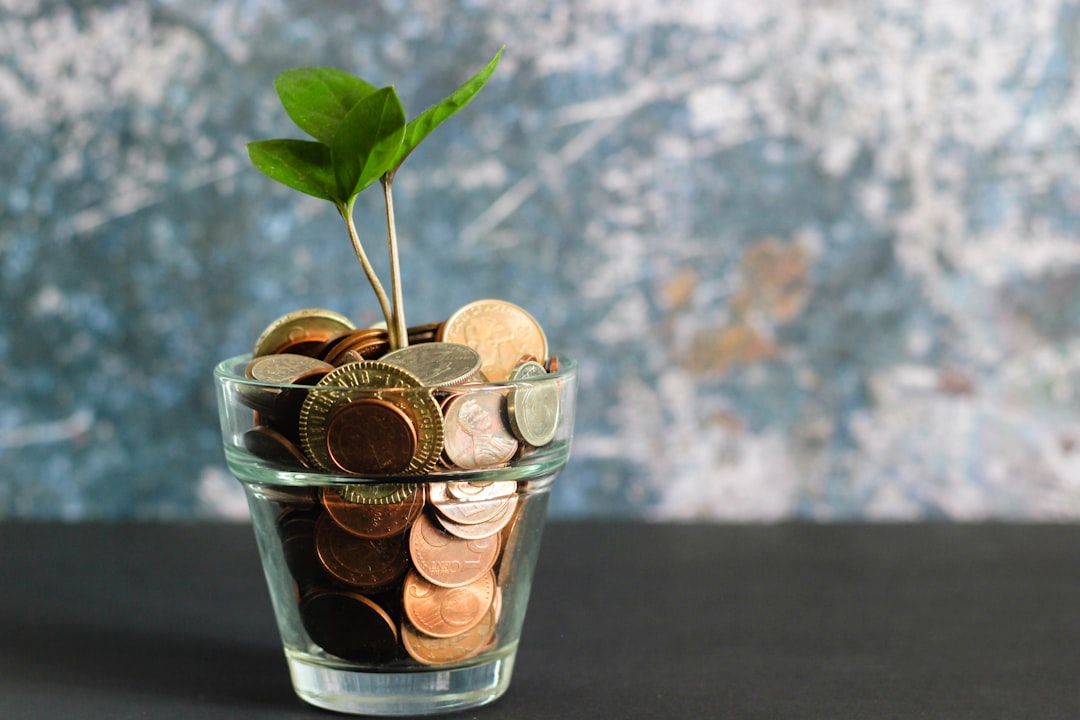
Photo by micheile henderson on Unsplash
Last year, Marcus made an extra $18,000 from freelance design work. He was thrilled. Finally, a buffer for emergencies. Finally, breathing room in his budget. But when I asked him last month how much of that $18,000 he'd actually saved, he went quiet. "Maybe... $2,000?" he guessed. He wasn't being irresponsible. He just couldn't account for where it went.
Marcus isn't alone. The side hustle economy is booming—about 39% of Americans have some form of secondary income—but most people watch that extra money evaporate like morning dew. The problem isn't that side income is too small. It's that we psychologically treat it differently than our "real" paycheck.
The Income Invisibility Effect
When money hits your checking account sporadically instead of on a consistent schedule, your brain categorizes it differently. Regular paychecks feel mandatory and accountable. They come with expectations built in—rent, utilities, insurance. But side hustle money? That feels like a bonus. And bonuses, in the human brain, exist in a special category marked "spend on stuff I want."
This psychological quirk has a name among behavioral economists: mental accounting. We unconsciously sort money into mental buckets based on its source, not its actual utility. One study from the Journal of Consumer Research found that people who received windfalls (like tax refunds or inheritance) were 1.5 times more likely to spend the money on discretionary items compared to their regular income.
Your brain literally thinks $500 from your side gig is fundamentally different from $500 from your salary, even though both are equally real and equally valuable. This distinction leads to what I call the "bonus tax"—an invisible 80-90% spending rate on side income that most people never consciously choose.
The Spending Acceleration Trap
Here's where it gets insidious. The moment you start earning side income, your lifestyle costs mysteriously increase. Not dramatically—just in small, barely-noticeable ways.
You grab lunch out three times a week instead of twice. You "deserve" those better coffee beans. The streaming services you'd been meaning to cancel? Never get canceled. And suddenly there's a category in your budget that didn't exist before: "miscellaneous fun."
This isn't weakness. It's the Lifestyle Ratchet Effect. Psychologists have known for decades that humans adjust quickly to increased resources. When your income goes up, your spending follows like a shadow. Research by Dr. Hal Hershfield at UCLA found that people earning supplemental income increased their discretionary spending within 3-4 months, even when explicitly told to save the surplus.
What makes side income particularly vulnerable to this effect is that it lacks the psychological anchoring of regular salary. Your rent demand that your paycheck shows up. But your side hustle money? It just sits there, waiting to be claimed. The cognitive burden of managing it feels lower, so the friction against spending it is nearly nonexistent.
The Subscription Multiplication Game
One specific area where side income disappears is what I call "permission-based spending." Side income makes us feel like we have permission to finally upgrade things we've been wanting.
Those three streaming services that were always "temporary" suddenly feel permanent. The nicer gym membership becomes defensible. That $25/month meditation app? Obviously worth it when you're making extra money. Before you know it, you've added $200-300 in monthly subscriptions you weren't paying for before.
The dangerous part is that these costs are exactly small enough to be invisible and large enough to matter. Each individual subscription feels trivial. But collectively, they represent a permanent cut into your side income that keeps compounding month after month. The Subscription Trap explains this dynamic in detail, but the key insight is that side hustlers are particularly susceptible because they view that income stream as "found money" and therefore easier to "spend" on ongoing costs.
Making Side Income Actually Build Wealth
The good news is that understanding the psychology is 90% of the solution. Here's what actually works:
Separate the money physically and mentally. Open a completely different bank account for your side income. Not even at the same bank if possible. The friction of transferring money teaches your brain to treat it differently. You want to feel the decision to spend it, not just have it happen.
Set an automatic transfer the day you receive the payment. Don't leave it sitting in your checking account where it can gradually migrate toward "available to spend." The moment side income appears, 50-70% of it should move to a dedicated savings account that you almost never think about. Make it boring. Make it automated. Remove the decision.
Create a specific purpose for the money before you earn it. Don't just say "I'll save it." That's too vague. Say "This $500/month will fund my emergency fund until I reach $10,000, then it'll fund my house down payment." Specific goals create psychological commitment that vague intentions never do.
Audit your subscriptions immediately. Before you earn any side income, go through your recurring charges right now. Cancel everything you don't actively use. Then make a rule: for every new subscription added, an old one gets canceled. This creates friction before you're in the "bonus money" mindset.
Track it publicly. This is uncomfortable, but it works. Tell someone—a partner, a friend, your accountant—exactly how much side income you're targeting and how much you're targeting to save. The social accountability dramatically reduces the mental freedom to just "let" the money disappear.
The Bottom Line
Your side hustle isn't a lifestyle upgrade. It's a wealth-building tool. But only if you treat it that way from the first dollar earned. The difference between someone who parlays side income into six figures of savings and someone who watches it evaporate isn't intelligence or discipline. It's architecture. They set up their finances to work with their psychology instead of against it.
Marcus recently opened that separate account and started an automatic transfer. He's been doing it for two months. He hasn't checked the balance once—that was intentional. But when he does check in six months, that number is going to surprise him. And that surprise, that moment of recognition that the money actually accumulated, is when his brain will finally accept that side income can be real wealth. Not just bonus spending money.
Comments (0)
No comments yet. Be the first to share your thoughts!
Sign in to join the conversation.