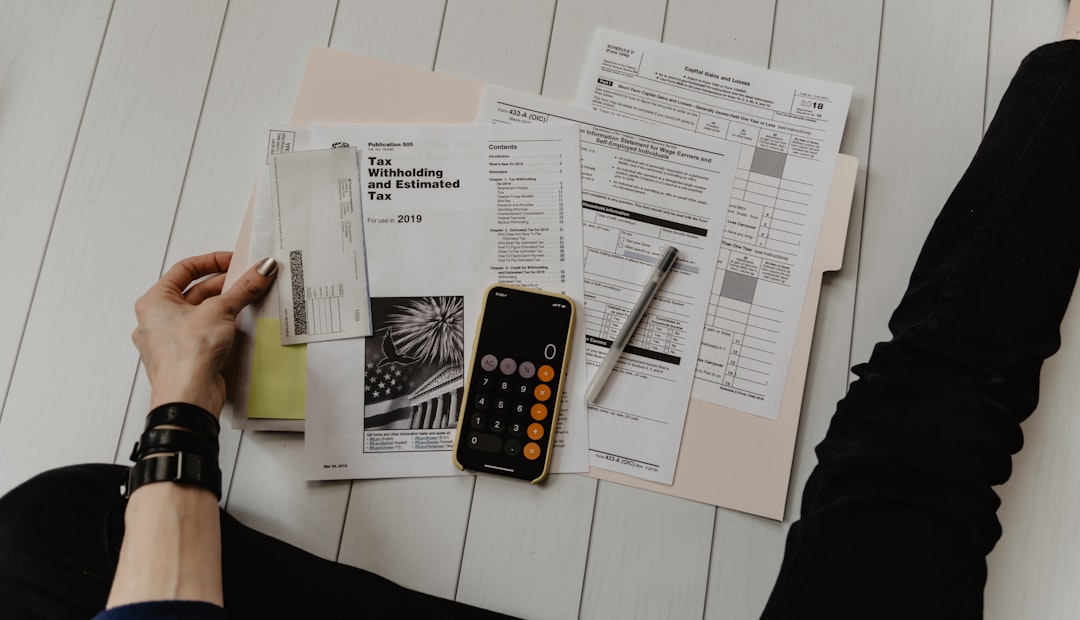
Photo by Kelly Sikkema on Unsplash
I had $8,000 sitting in a savings account earning 0.01% interest. That's right. Point. Zero. One. Percent. For an entire year, my "emergency fund" made me about 80 cents. Meanwhile, inflation was quietly stealing roughly $240 worth of purchasing power from that same pile of money. I wasn't protecting myself—I was slowly burning cash while feeling financially responsible.
This is the emergency fund paradox that keeps millions of people stuck in a financial limbo. We're told to save three to six months of expenses without actually understanding the real mechanics of what that savings is doing (or not doing) to our wealth.
The Math That Nobody Explains
Let's get specific because this is where reality hits different. Assume you make $60,000 a year and follow the standard advice to save six months of expenses. That's roughly $15,000 sitting in a typical savings account.
The national average savings account rate hovers around 0.35% to 0.45% depending on where you bank. Some brick-and-mortar banks offer even less. If you're with one of the big national chains, you might be looking at 0.01%. Yes, that's a real number.
Now here's the kicker: inflation averaged 3.4% annually over the past decade. So that $15,000 is losing roughly $510 in purchasing power every single year, while your bank interest adds back maybe $52.50. You're down $457.50 before we even talk about taxes on that pittance of interest income.
Over five years, that's almost $2,300 in lost purchasing power. For most people, that's the difference between replacing their vehicle tires or driving around on worn rubber.
Why Your Bank Wants You to Feel Safe Being Poor
Banks love this setup. They take your $15,000, pay you nothing, and turn around to lend it out at 6-8% interest rates. They're capturing that spread—that gap between what they pay you and what they earn. It's one of the most profitable businesses in existence, and it works because we've been conditioned to feel grateful for the safety of keeping money in a bank at all.
The financial institutions have won a psychological victory. They've made us associate safety with stagnation. We don't even question it anymore.
Here's a real example: Sarah, a 34-year-old project manager, kept her six-month emergency fund of $18,000 in her Chase savings account for three years. She felt accomplished, responsible, like she was "adulting" correctly. At 0.01% interest, she earned $5.40 total. Inflation? It cost her about $1,840 in purchasing power over that period. She actually went backward financially while congratulating herself for being prudent.
The High-Yield Alternative That Changes Everything
Here's what Sarah should have done, and what you should be doing right now: move that emergency fund to a high-yield savings account.
Current high-yield savings accounts from reputable online banks are offering between 4.5% and 5.3% annual percentage yield. That's not some sketchy investment scheme. These are FDIC-insured accounts from legitimate financial institutions. Marcus, Ally, American Express Personal Savings, and others have been competitive in this space for years.
Let's recalculate Sarah's situation with a 5% high-yield savings account instead. That same $18,000 would earn approximately $900 per year. Over three years, that's $2,700 in actual interest earned. Even accounting for inflation losses, she's now only down about $1,100 in purchasing power instead of $5,540. That's a swing of over $4,400 for literally moving her money to a different account.
For someone with a $24,000 emergency fund? You're looking at roughly $1,200 per year in interest income. That's a grocery budget. That's a vacation. That's real money for literally doing nothing except transferring accounts once.
But What About the "Safety" Argument?
People get nervous when you suggest moving money out of their traditional bank. This is understandable but misplaced. The FDIC insures deposits up to $250,000 at any one bank. That means whether your money is at Chase earning 0.01% or at Marcus earning 5%, it's protected to the same degree if the bank fails.
Your money isn't becoming less safe. It's becoming more accessible (most high-yield savings accounts offer immediate transfers), and it's earning money instead of losing it to inflation.
The only genuine trade-off is that some high-yield savings accounts have slight withdrawal limits or require a few days for transfers. But since this is your emergency fund—something you hopefully won't touch except for genuine emergencies—that's not really a problem. When you have a real emergency, waiting three business days for a transfer is still faster than calling a bank or visiting a branch.
The Broader Picture: Opportunity Cost
Beyond the direct inflation impact, there's something more insidious happening. When your money isn't working for you, you feel less wealthy. Psychologically, that low interest rate reinforces the scarcity mindset. "I can't afford to invest," you think. "I need to keep everything liquid and safe."
But that's exactly backward. Money earning nothing is money that's guaranteed to lose purchasing power. Money earning 5% in a high-yield account is money that's working toward your future while still being accessible for emergencies.
Beyond your emergency fund, this principle applies everywhere. People hold money in low-interest checking accounts, pay fees that banks won't even explain, and miss opportunities because they're financially passive. Check out The $500 Monthly Mistake: Why Your Subscription Services Are Sabotaging Your Wealth if you want to see how small financial decisions compound into massive wealth loss.
What You Should Do Tomorrow
This isn't theoretical. Take action:
First, check what your current savings account is earning. Actually look at your statement. Most people don't even know because the number is so small it barely appears.
Second, spend 20 minutes comparing high-yield savings accounts. Look at current rates, read reviews, check withdrawal policies.
Third, open an account and transfer your emergency fund. The process usually takes 3-5 business days.
That's it. You've now improved your financial position without changing your lifestyle, without taking more risk, and without some complicated investment strategy.
Your emergency fund exists to protect you from financial disasters. But leaving it in a low-yield savings account while inflation erodes it is its own kind of disaster. One that's preventable, quantifiable, and happening right now to millions of people.
The question isn't whether you can afford to move your money to a high-yield account. The question is whether you can afford not to.
Comments (0)
No comments yet. Be the first to share your thoughts!
Sign in to join the conversation.