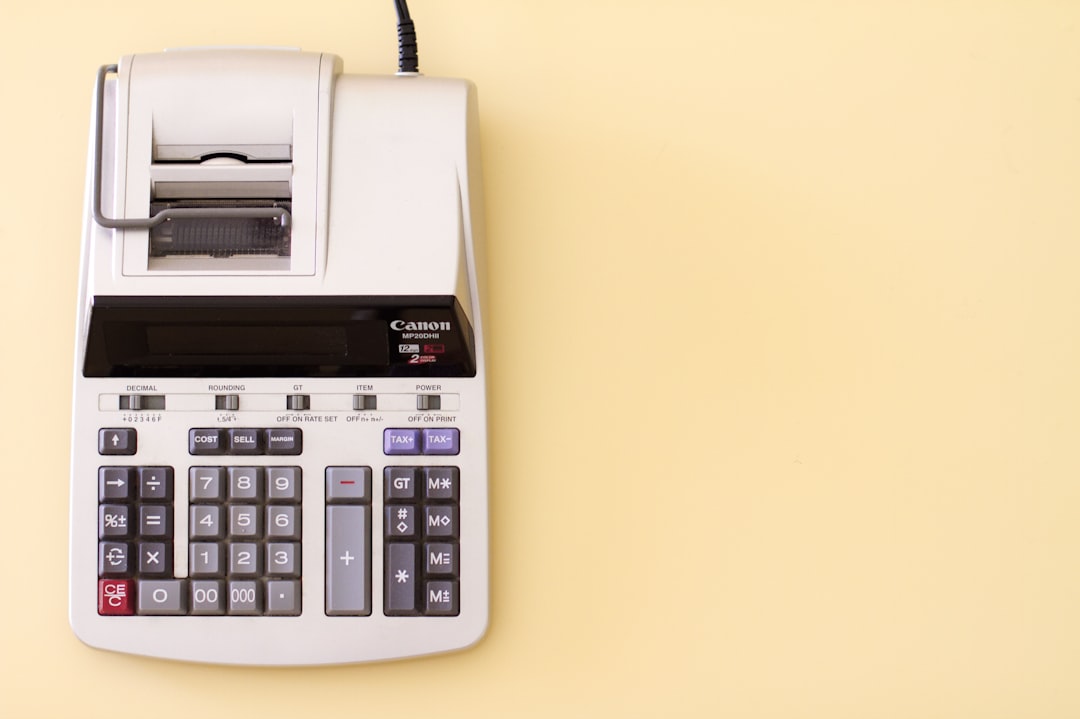
Photo by StellrWeb on Unsplash
Last year, Marcus got promoted. His salary jumped from $65,000 to $78,000—a solid 20% increase that should have felt like winning the lottery. Within six months, he'd upgraded his apartment, leased a nicer car, joined an upscale gym, and started ordering takeout from restaurants he'd previously only admired on Instagram. His net worth hadn't budged. His savings account looked almost identical to before the raise. Sound familiar?
This phenomenon has a name: lifestyle inflation. And it's far more destructive than most people realize. While we obsess over dramatic financial mistakes—bad investments, gambling, fraud—lifestyle inflation quietly eats away at our long-term wealth like termites in the walls. The sneaky part? It feels completely justified.
Why Your Brain Thinks You're Broke After a Raise
Psychologists call this the "hedonic treadmill." When something good happens financially, we experience a burst of happiness. But our brains are remarkably efficient at adjusting to new circumstances. Within weeks, that raise doesn't feel like abundance anymore. It feels like your baseline. Your brain essentially resets the reference point for what "normal" looks like.
Consider what happened to Sarah, a marketing manager who increased her income by $15,000 annually five years ago. "I remember thinking I'd feel rich forever," she told me. "Now I can't imagine living on what I used to earn." She couldn't articulate what had changed. Her essential expenses—rent, insurance, utilities—hadn't increased proportionally. But somehow, her entire lifestyle had expanded to consume the extra money. New clothes appeared in her closet. Dinner out became twice-weekly instead of monthly. Premium streaming services multiplied like rabbits.
The dangerous truth: we don't actually feel wealthier when we spend more. Studies show that people who increase their spending don't report higher life satisfaction. They just report higher stress about money. The temporary pleasure of a new purchase fades within weeks, but the monthly payment remains. Forever.
The Math Behind the Trap
Let's get specific, because numbers don't lie. Imagine two colleagues, both earning $50,000 annually. Both get promoted to $65,000. That's an extra $1,250 monthly (before taxes, let's say $800 after-tax).
Person A commits immediately: $500 goes to savings, $300 to retirement investments. They upgrade their apartment slightly but resist other temptations. Over 30 years, assuming 7% annual returns, that's approximately $645,000 in retirement savings before their other investments kick in.
Person B thinks differently. "I earned this. I should enjoy it." They spend the entire $800. They upgrade everything. Better apartment, nicer car, fancier dinners. Thirty years later, they have $0 from this particular income boost in retirement accounts. Worse, they've probably accumulated debt trying to maintain this lifestyle during downturns.
The difference between these two approaches? Over half a million dollars. That's not hyperbole. That's mathematics.
And here's what makes it truly insidious: Person B probably feels like they're living more fully. They have nice memories of great restaurants. Their apartment looks better. But when retirement arrives, those memories won't pay the bills.
The Real Cost of "Treating Yourself"
We love the phrase "I deserve this." We do it constantly. New shoes after a rough week. A premium coffee instead of the regular one. Upgrading to the business class seat. Each individual decision seems harmless. Insignificant. But they're not individual—they're a pattern.
A person who "treats themselves" to a $6 daily coffee is spending $2,190 yearly. Over 40 years, that's $87,600. Invested at 8% annual returns, it becomes roughly $1.2 million. For coffee. That we don't even remember drinking.
This is before we consider the items that feel more justified: the upgraded car, the premium streaming subscriptions (which we've explored extensively in our analysis of subscription creep), the nicer gym membership you'll use "seriously this time."
The psychological trick is that these expenses don't feel like sacrifice. They feel like baseline quality of life. You're not comparing yourself to your past self who drank regular coffee. You're comparing yourself to the people around you who drink premium coffee, and your brain insists you deserve the same.
Breaking the Cycle Before It Breaks You
The good news: lifestyle inflation isn't inevitable. Some people genuinely resist it. They're not superhuman or immune to temptation—they've just built different systems.
The most effective strategy is automatic. When you get a raise, immediately commit 50-70% of the increase to savings or investments before you even see it. Have it automatically transferred. Your brain can't spend what it never touches. The remaining 30-50% can go toward modest lifestyle improvements without destroying your financial future.
Jennifer, a software engineer, did this religiously. When her salary jumped 30% in one year, she automatically invested $20,000 annually from the raise and allocated just $8,000 for lifestyle improvements. "I still upgraded my life," she said. "But I didn't let it consume everything." Fifteen years later, that discipline meant she could retire at 45.
Another powerful technique: separate your "needs" increase from your "wants" increase. Your actual living expenses probably increased slightly with your higher income. That's legitimate. But everything beyond that is discretionary. Treat it that way.
Finally, remember that your future self is a real person. They're not abstract. They're you, sitting in retirement, asking why the choices of your younger self felt so urgent. Future you would probably trade a lot of those premium coffee purchases for the security you could have had.
The Wealthy Know Something You Don't
Studies of wealthy individuals reveal a pattern: they don't spend money in proportion to their increases in income. Billionaires who were millionaires still drive modest cars. They don't upgrade just because they can. They've internalized something that lifestyle-inflated people haven't: more spending doesn't increase happiness. It increases expenses.
The path to actual wealth isn't about earning more. It's about expanding your income while keeping your lifestyle relatively flat. That gap—between what you earn and what you spend—is where wealth accumulates. Not in grand gestures, but in boring discipline repeated over decades.
Your next raise isn't a mandate to upgrade your life. It's an opportunity to build the future you actually want. Choose wisely.
Comments (0)
No comments yet. Be the first to share your thoughts!
Sign in to join the conversation.