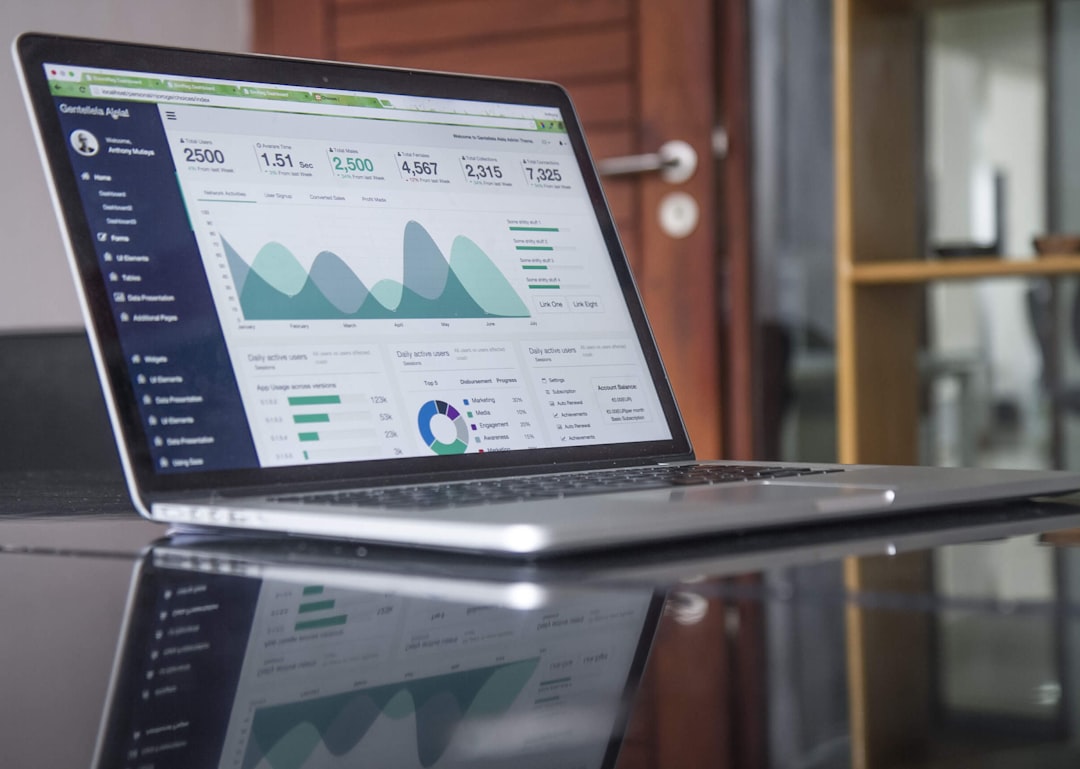
Photo by Carlos Muza on Unsplash
Sarah sat across from her financial advisor with a confused look. "I make decent money," she said. "But somehow, I'm always broke by the 20th." Her advisor pulled up her bank statements from the past three months. The pattern was unmistakable: coffee shops, food delivery apps, streaming subscriptions, quick gas station runs. None of them were large purchases. Each individual transaction seemed almost negligible. Together, they totaled $847 that month.
This isn't a lecture about coffee being expensive—though it certainly is. This is about something more insidious: how our brains systematically undervalue small, repeated expenses while simultaneously overestimating our ability to control them.
The Psychology of the $5 Blind Spot
Behavioral economists have documented a peculiar phenomenon called "threshold blindness." When an expense falls below our mental threshold of significance, our brains essentially ignore it. That $5 coffee? Our minds classify it as inconsequential. That $8 meal deal? Also dismissed. But string together 160 of those transactions, and suddenly you're looking at $1,000 that vanished without any satisfying purchase to show for it.
The problem gets worse because of what researchers call "present bias." Your brain is wired to value immediate gratification over future consequences. When you're tired at 9 AM, the present benefit of a caramel macchiato feels infinitely more important than the abstract future cost to your retirement account. This isn't a character flaw. It's neurology.
Starbucks knows this. They built their entire empire on the assumption that people will pay premium prices for small, frequent purchases. The company's average transaction is $6.50, and the secret to their profitability isn't wealthy customers buying occasional expensive drinks—it's regular people buying cheap drinks frequently. If you visit twice a week, you're spending $676 annually on coffee alone.
Why Your Budget Already Failed (Before You Knew It)
Most financial advice tells you to "cut out the lattes." It's reductive, annoying, and—worse—it usually doesn't work. People hear that advice, nod solemnly, maybe skip coffee for two weeks, then fall back into the habit. The problem isn't willpower. It's that traditional budgeting treats symptoms rather than causes.
Consider this: a typical person estimates they spend around $40 monthly on coffee. Their actual spending? Usually double that, often triple. Our brains are genuinely terrible at tracking small transactions. They're not memorable enough to stick in our memory, but they're frequent enough to add up quickly.
This is where most budgeting apps fail. They show you the data, but data alone doesn't change behavior. You'll see the report saying "Uncategorized: $847" and feel temporarily horrified, then forget about it by next week. The moment passes. The old habits resume.
The Oddly Effective Solution Nobody Wants to Hear
Here's what actually works: the "friction method." Rather than trying to use willpower to resist small purchases, you add friction to the transaction itself.
The most effective version? Switch to cash for discretionary spending. Not debit cards. Not mobile payments. Actual physical bills. This sounds absurdly simple because it is, but neuroscience backs it up. When you hand over a five-dollar bill for coffee, something in your brain registers the loss differently than when you tap a card. The physicality of the exchange matters. Multiple studies show people spend 20-30% less on discretionary items when using cash instead of digital payments.
Another approach: implement a 48-hour waiting period before any purchase under $50. Before you can buy that $35 hoodie or $25 meal kit, you have to wait two days. This sounds intentionally inconvenient because it is. That's the point. The activation energy required keeps impulse purchases at bay without requiring you to rely on willpower.
A third option is the "subscription audit," which pairs perfectly with our article on how $12 monthly charges turn into $3,000 annual debt. Many people have forgotten half their subscriptions exist. Spotify, that meditation app, three different streaming services—they're all bleeding money from your account silently. Cancel everything you haven't used in 30 days. Then institute a rule: you only get one new subscription per month maximum.
The Real Math Behind Small Wins
Let's actually calculate what happens if you cut those small expenses in half. If you're spending $847 monthly, reducing it by 50% means $424 back in your pocket. That's $5,088 annually. Over 10 years with even modest 5% investment returns, that becomes $64,000.
Sixty-four thousand dollars. From coffee and lunch runs and streaming subscriptions. The math is almost abstract in scale, which is exactly why these small leaks matter so much. Our brains struggle to visualize the compound effect of tiny decisions.
What makes this different from "just save more money" advice is that it acknowledges human psychology rather than fighting against it. You're not trying to become someone with perfect willpower. You're systematically removing the ability to spend thoughtlessly.
Building the System That Sticks
The key to making this permanent is treating it like you'd treat any system, not a diet or resolution. You're not "trying to spend less." You're restructuring the mechanics of how you spend money.
Set up a separate checking account for daily spending with a weekly transfer limit. Set up automatic investments from your paycheck before the money even touches your regular account. Use your credit card for planned, categorized spending, and cash for everything else.
These changes might sound boring. They're supposed to be. Boring systems that require minimal willpower are exactly what actually work. After two months of using cash, your brain adapts. The habit changes not because you're stronger but because you've changed the environment.
Your $847 monthly leak isn't about lacking discipline. It's about being human in a world specifically designed to extract small amounts of money from you repeatedly. The solution isn't willpower. It's better systems.
Comments (0)
No comments yet. Be the first to share your thoughts!
Sign in to join the conversation.