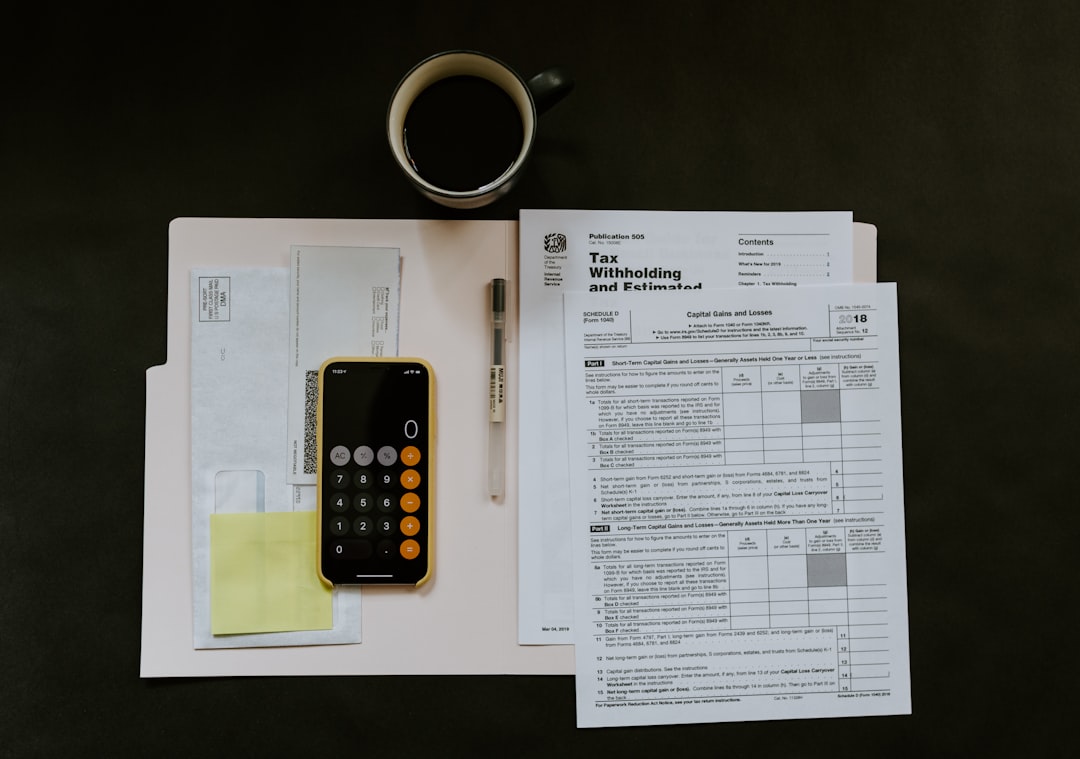
Photo by Kelly Sikkema on Unsplash
Sarah kept $15,000 in a savings account earning 0.01% interest. Over ten years, while watching her friends invest aggressively, she earned roughly $15 in returns. That same $15,000, invested in a modest index fund averaging 7% annually, would have grown to $29,500. The difference? $14,500 she'll never get back. And Sarah's situation is painfully common.
The emergency fund has become personal finance's sacred cow. Financial advisors chant the same mantra: keep three to six months of expenses in liquid savings, untouched, earning practically nothing. It's advice that feels safe. It feels responsible. It's also quietly destroying wealth for millions of people.
The Problem With Playing It Too Safe
Here's what nobody talks about: the opportunity cost of excessive caution. If you're earning 4.5% in a high-yield savings account while inflation runs at 3.2%, you're actually losing 0.8% of purchasing power annually. That's not a complaint—that's math. And for people with substantial emergency funds, those "safe" decisions add up to staggering losses.
Consider James, a 35-year-old accountant with a $40,000 emergency fund in a savings account. Over the next 30 years until retirement, assuming 5% average investment returns and 3% inflation, that cautiously-saved money would have grown to approximately $348,000 in a diversified portfolio. Instead, keeping it in savings earning 4.5% would leave him with roughly $158,000 in today's dollars. The cost of excessive safety? Nearly $190,000.
The irony is that this conservative approach often backfires. When an emergency actually strikes, many people don't want to liquidate investments in a down market. So they use credit cards instead, paying 18-24% interest on their "emergency." The emergency fund sits untouched while they rack up debt. The safety net becomes a trap.
Redefining What "Emergency" Actually Means
Most people misunderstand what an emergency fund should cover. Financial experts typically recommend three to six months of expenses, but they rarely specify what that means in practice. A true emergency—job loss, major medical event, urgent home repair—might require $10,000 to $15,000 for most households. That's roughly two months of expenses, not six.
The additional four months? That's not emergency coverage. That's anxiety insurance dressed up in financial language. And insurance has costs. The real question isn't how much emergency fund you should have, but rather: how much of your emergency fund actually sits unused year after year, quietly eroding in value?
For many Americans, the honest answer is: most of it. Workers stay in jobs longer than expected. The big emergency never comes. The "emergency" fund becomes a low-return savings account masquerading as financial prudence.
A More Honest Emergency Strategy
So what should you actually do? Stop treating your emergency fund like a static number. Instead, think about it in tiers.
Tier 1: Your True Emergency Buffer Keep one month of essential expenses in a high-yield savings account (currently earning 4-5% at various online banks). This is your immediate access capital for genuine emergencies—the car breakdown, the urgent dental work, the unexpected flight home.
Tier 2: Your Secondary Safety Net Keep an additional one to two months of expenses in a money market fund or short-term bond fund. These typically earn 4-5% and can be accessed in a few days. This covers longer-term setbacks like job loss or extended medical issues.
Tier 3: Your Growth Capital Anything beyond two months should be invested. Not recklessly. A simple three-fund portfolio or target-date fund aligned with your risk tolerance. Yes, it might fluctuate. Yes, you might need to access it during a market downturn (which is unpleasant but manageable). But over ten, twenty, or thirty years, that growth transforms your finances.
Take Marcus, who restructured his $50,000 emergency fund using this approach: $10,000 in savings, $10,000 in money market funds, and $30,000 invested. Over 25 years at typical market returns, that $30,000 investment grows to approximately $204,000. His cautious approach? That same $30,000 in savings becomes $35,000. The difference is $169,000.
The Real Risk You Should Actually Fear
Here's what keeps financial advisors up at night—not the catastrophic emergency that happens once every decade, but the quiet certainty of inflation, market growth you didn't capture, and retirement that arrives underfunded.
The person earning 0.5% on their emergency fund while markets return 9% isn't being prudent. They're being poor by choice. They're sacrificing decades of compound growth for the comfort of knowing their money is "safe." But safe from what? Safe isn't having $100,000 in a savings account at 65. Safe is having $200,000 because you let it actually grow.
Consider that the average American loses approximately $47,000 over a lifetime by keeping excessive emergency funds in low-yield accounts rather than invested. That's a car, a semester of college, or a year of comfortable retirement. For someone with $30,000 in a savings account earning nearly nothing, that's their actual opportunity cost.
If you want to understand how small decisions compound into staggering wealth loss, check out our breakdown of how tiny expenses accumulate into life-changing sums. The same principle applies to your emergency fund.
Making the Shift
Restructuring your emergency fund won't happen overnight, and that's fine. Start by moving half your excess emergency fund into investments. See how it feels. Most people discover that having one month of true liquid savings is sufficient for actual emergencies.
Your future self—the one retiring in thirty years—will thank you. The emergency that probably won't happen shouldn't cost you hundreds of thousands in growth.
The choice is yours: stay comfortable in caution, or get wealthy through patience and strategy. Those are your real options.
Comments (0)
No comments yet. Be the first to share your thoughts!
Sign in to join the conversation.