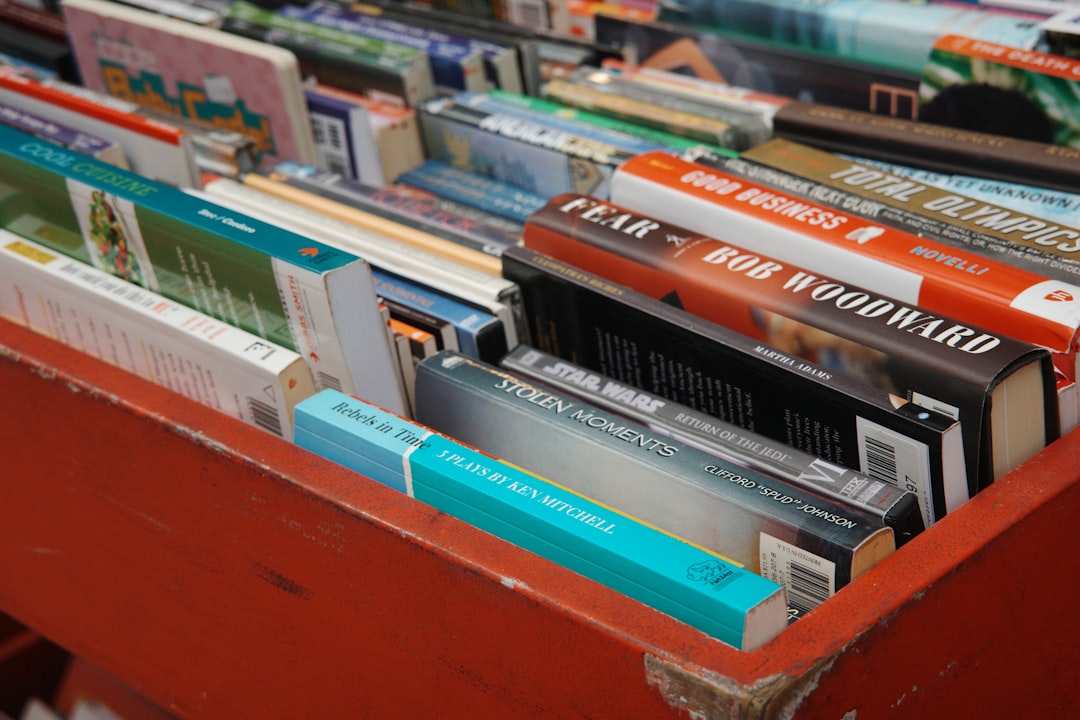
Photo by Jerry Wei on Unsplash
Last year, I finished a novel and sat stunned for twenty minutes, staring at the final page. Not because of a plot twist—though there was one—but because I'd just realized I'd spent 300 pages rooting for someone genuinely terrible. The character was charming, witty, damaged in all the right ways. And completely, unapologetically selfish. The author had done something I'd never quite experienced before: made me complicit in moral compromise.
This is the magic and the minefield of the sympathetic antagonist in modern fiction. These aren't your Saturday morning cartoon villains twirling mustaches and cackling about world domination. They're the characters who feel real because they think they're the good guys. They're Cersei Lannister protecting her children. They're Dexter Morgan helping serial killers while being one himself. They're Walter White building an empire "for his family."
Why We Fall for Flawed People (In Books and Real Life)
The sympathetic antagonist works because it mirrors human psychology. We're not wired to see ourselves as villains. Nobody wakes up and thinks, "Today I'll be the bad guy." Instead, we construct narratives where our choices make sense. We rationalize. We justify. We convince ourselves that our suffering entitles us to hurt others.
Author Elena Ferrante understood this when she created Lila Cerullo in her Neapolitan novels. Lila isn't a protagonist—she's the force that drives the narrator Elena mad with envy, ambition, and resentment. Yet Ferrante makes us understand her completely. Lila's cruelty stems from intelligence and survival instinct in a world designed to crush women. When she makes devastating choices that ruin others, we get it. Not because it's right, but because we understand the accumulated pressures that shaped her.
This is fundamentally different from traditional antagonists. A sympathetic antagonist doesn't need the reader's forgiveness because the best ones never ask for it. They don't perform redemption arcs or deliver monologues about understanding them. They simply exist with their contradictions intact—complicated, motivated, and absolutely sure they're justified.
The Reader's Moral Maze
Something strange happens when you spend 400 pages inside someone's head. Distance collapses. Proximity breeds sympathy, even when it shouldn't. Gillian Flynn, who wrote Sharp Objects and Gone Girl, has said in interviews that she's fascinated by "the gap between who people pretend to be and who they actually are." Her character Amy Dunne is actively malicious, manipulative, and willing to destroy innocent people. Yet thousands of readers found themselves defending her online, not because they thought her actions were right, but because they understood her fury.
This creates cognitive dissonance that brilliant fiction exploits ruthlessly. You're forced to reckon with an uncomfortable truth: understanding doesn't require approval. Empathy isn't the same as endorsement. You can comprehend why someone commits terrible acts while still condemning the acts themselves.
Books like The Unreliable Narrator's Cruel Trick: Why Readers Keep Getting Played and Loving Every Second dive deeper into how narrators manipulate us from within the story. It's the perfect companion to understanding sympathetic antagonists, because often they're one and the same—people telling us their version of events, and we believe them because we want to.
The Antihero vs. The Sympathetic Antagonist: Where's the Line?
There's a crucial distinction here that often gets muddled. An antihero is someone we follow as a protagonist despite their flaws. Walter White is an antihero—we see his story unfold from his perspective, and we're positioned as witnesses to his transformation. Tony Soprano is an antihero struggling with therapy and existential dread. We're invited into their emotional lives.
A sympathetic antagonist is different. They're someone else's villain. They're the obstacle. But the author makes us understand them so completely that the concept of "obstacle" becomes meaningless. Hannibal Lecter is sympathetic antagonist material—brilliant, theatrical, with a consistent (if horrifying) philosophy. We understand his intelligence and appreciate his wit, but he remains fundamentally opposed to the protagonist's survival.
The best modern examples blur this deliberately. In Toni Morrison's Beloved, Sethe is both protagonist and antagonist—a woman who murders her child to save her from slavery. The same act that makes her sympathetic makes her monstrous. Morrison refuses to choose, and that refusal is the entire point.
Why Publishers Love Them (And Why You Should Too)
Sympathetic antagonists are everywhere in contemporary fiction because they sell and because they satisfy something readers hunger for: complexity. The human experience isn't binary. We're not separate into good people and bad people. We're all compromised. We all have reasons that feel airtight from inside our own skulls.
When done poorly, sympathetic antagonists feel like a cop-out. Readers resent being made to care about someone irredeemable. But when done well—when the author earns that sympathy through specificity, through the small details of how someone thinks and feels—they create something unforgettable. They make you examine your own capacity for self-deception.
That moment where you finish a book and realize you've been rooting for the wrong person? Or realize there was no "wrong person" at all—just people making choices that ripple outward? That's when fiction does what it does best. It holds up a mirror. It doesn't show you the world. It shows you yourself.
And sometimes that reflection is darker than you expected.
Comments (0)
No comments yet. Be the first to share your thoughts!
Sign in to join the conversation.