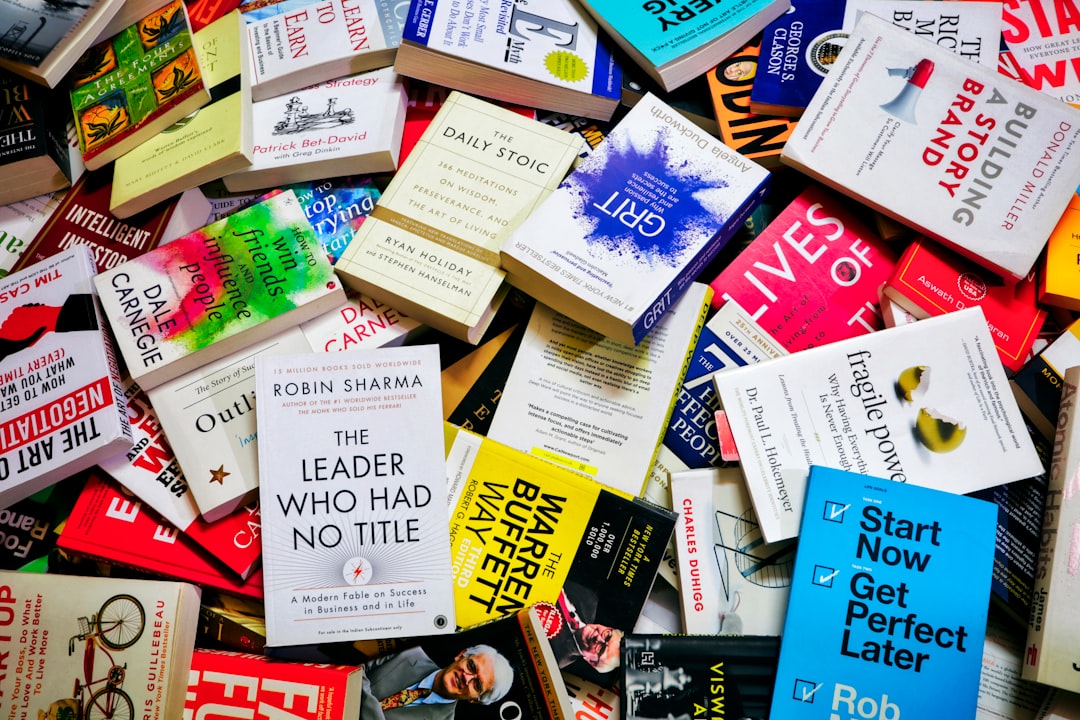
Photo by Shiromani Kant on Unsplash
There's a moment in every reader's life when they realize they're rooting for the wrong person. Not the hero. Not the love interest. The antagonist. The one character the author spent three hundred pages convincing us to despise. Yet somehow, we end up defending them online, writing fan fiction about their redemption, and arguing passionately about whether they deserved a second chance. This is the villain redemption paradox, and it's one of fiction's most powerful and underexplored phenomena.
When Did We Start Liking the Bad Guys?
The shift happened gradually. For decades, fiction operated on simple moral architecture: heroes were good, villains were bad, and the plot was essentially watching these two forces collide until one emerged victorious. Then something changed. Authors started giving antagonists backstories. Motivations. Actual reasons for their destructive behavior beyond "I am evil because evil is my nature."
Stephen King's Misery, published in 1987, featured Annie Wilkes—a woman so unhinged and dangerous that she holds an author captive in her home. But King didn't make her a cartoon monster. He showed us her loneliness, her obsession, her genuine (if twisted) love for Paul Sheldon's work. Readers were horrified by Annie. They were also oddly sympathetic. When she died at the end, something unexpected happened: some readers felt genuinely sad. They didn't want her to die, even as they recognized she was irredeemable.
This wasn't an accident. King had deliberately humanized her, and in doing so, he'd created something far more disturbing than a simple villain. He'd created a fully realized person capable of monstrous acts. The contradiction made readers uncomfortable in the best possible way.
The Architecture of a Compelling Antagonist
What separates a forgettable villain from one that haunts readers for years? Data from Goodreads reviews reveals something fascinating: the most beloved antagonists aren't the most evil ones. They're the ones whose evil makes sense.
Consider Cersei Lannister from George R.R. Martin's A Song of Ice and Fire series. Cersei commits infanticide, incest, and orchestrates multiple murders. By any reasonable standard, she's monstrous. Yet she has an army of passionate defenders. Why? Because Martin shows us exactly how she became monstrous. A woman trapped in a world that values her only for her appearance and ability to produce heirs, Cersei seizes power the only way available to her. Her crimes aren't random. They flow logically from her circumstances, her intelligence, and her desperate need for control.
The reader doesn't have to agree with Cersei's choices to understand them. And understanding is where sympathy begins to creep in, unbidden and unwelcome.
The most effective antagonists operate on what we might call the "proximity principle." The closer their values or circumstances are to the reader's own, the more disorienting it becomes to recognize them as villains. When a character wants something reasonable—safety, respect, power, love—but pursues it through destructive means, readers find themselves in an uncomfortable position. They can see themselves in that character's motivations even as they recoil from their methods.
The Unreliability Factor
Part of the villain redemption paradox connects directly to narrative perspective. When we encounter an antagonist through the eyes of the protagonist, we're receiving filtered information. We're being told they're the villain. But what if the protagonist is wrong? What if they're simply telling the story from their point of view?
This is where things get philosophically interesting. The Unreliable Narrator's Cruel Trick: Why Readers Keep Getting Played and Loving Every Second explores how narrators deliberately mislead us, but the effect extends to how we perceive opposing characters. When we eventually get the antagonist's perspective—or when we realize the protagonist has been distorting the truth—everything realigns. Suddenly the villain looks less like a villain and more like someone we've been wrong about all along.
Consider how Rhysand functions in Sarah J. Maas's A Court of Thorns and Roses. In the first book, he's presented through Feysande's perspective as a dangerous, predatory figure. By the second book, when we see events from his viewpoint, he transforms. Not because he changes, but because we finally understand what he was actually doing. Our judgment of him was based on incomplete information, and filling in those gaps makes us question everything we believed earlier.
The Moral Complexity We Actually Want
Here's what modern readers have learned: pure goodness is boring. A protagonist who never faces genuine moral conflict, who always makes the right choice, who has no real flaws—they don't resonate. They're admirable perhaps, but not memorable.
Conversely, antagonists who are simply selfish or cruel without depth feel like relics of older storytelling. They don't challenge readers. They don't create the cognitive dissonance that makes a story stick with you long after you've finished the final page.
What readers actually crave is moral complexity. They want characters who face genuine dilemmas with no perfect solution. They want antagonists whose evil stems from understandable sources. They want to feel that twist in their chest when they realize they're defending someone indefensible, or understanding someone unforgivable.
The Redemption Question
The villain redemption paradox doesn't necessarily require actual redemption. Some of the most powerful antagonistic characters never apologize, never change, never become "good." But readers still engage with them, still find them fascinating, still create spaces online to discuss whether they "deserved better."
Perhaps that's the real point. We don't need villains to be redeemed to find them worthy of our attention. We just need them to be real. Contradictory. Human. When an author creates a character whose evil emerges from comprehensible circumstances and recognizable human drives, something unexpected happens. We stop viewing them as a plot device—the obstacle the hero must overcome—and start viewing them as a person. A flawed, potentially monstrous person, but a person nonetheless.
And once you see someone as a person, it becomes almost impossible to hate them cleanly. The best antagonists don't ask readers to choose between good and evil. They ask readers to sit with the uncomfortable truth that most people, given different circumstances or different choices, could become either.
Comments (0)
No comments yet. Be the first to share your thoughts!
Sign in to join the conversation.