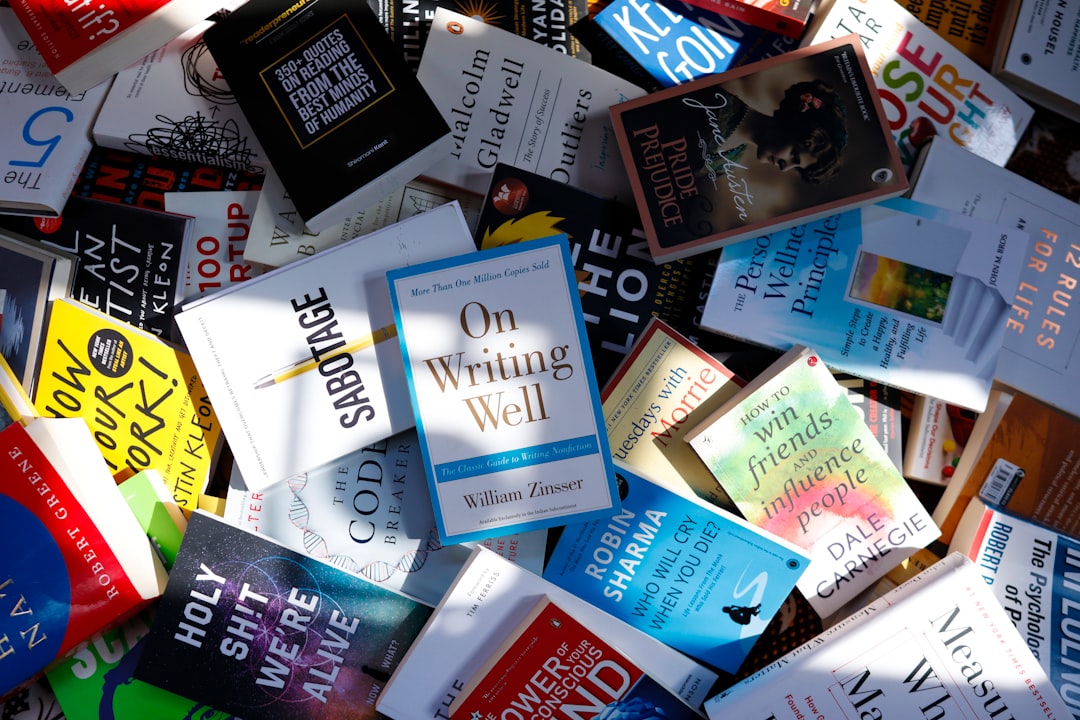
Photo by Shiromani Kant on Unsplash
We've all been there. Halfway through a novel, you realize the person telling you the story has been lying. Not just to other characters—to you, the reader. The betrayal stings. Your trust feels foolish. And yet, you keep reading, turning pages faster than before, desperate to piece together what really happened. This is the intoxicating power of the unreliable narrator, and it's become the literary equivalent of a plot twist that audiences actually want.
When the Narrator Becomes the Unreliable Villain
The unreliable narrator isn't new. Dostoevsky played with perspective in "Crime and Punishment," and even ancient texts use it. But something shifted in recent years. Publishers noticed that readers weren't just tolerating unreliable narrators—they were hunting for them. Websites dedicated to discussion boards light up with theories. Book clubs extend their meetings by hours debating whether the narrator is a victim or a manipulator. The technique moved from literary device to mainstream obsession.
The explosion really accelerated around 2015. "Gone Girl" by Gillian Flynn didn't invent the unreliable narrator, but it did something brilliant: it made the unreliability feel personal, intimate, and devastating. Readers discovered they'd been rooting for a murderer. That single book generated conversations that lasted years. Publishers took notice. Suddenly, every thriller needed an unreliable narrator twist. Some worked. Many felt like they were just checking a box.
What makes the best unreliable narrators work is that they're not just lying—they're lying convincingly. They have reasons that feel human. Maybe they're protecting themselves, maybe they're mentally unwell, maybe they genuinely believe their version of events. The narrator in "Shutter Island" by Dennis Lehane isn't malicious; he's desperately clinging to a reality he can survive. That difference between malice and self-preservation is everything.
The Psychology of Willful Suspension of Disbelief
Here's where it gets interesting. Psychologically, readers know they're being manipulated. That's kind of the whole point. We consciously agree to be lied to, and then we get frustrated when we're lied to. It's a strange contract. When you open a book with an unreliable narrator, you're essentially signing up to have your intelligence insulted—and you pay money for that privilege.
The appeal might come from control. In real life, deception is terrifying. People lie to us about important things, and we never see it coming. But in fiction, we control the deception. We can pause and go back. We can debate with friends. We can feel smart when we catch the lies early, or pleasantly surprised when we miss them. The unreliable narrator gives us a safe space to experience betrayal and manipulation.
There's also something deeply satisfying about re-reading. Once you know the truth, the entire book changes. Every word the narrator says carries double meaning. Sentences that seemed innocent become sinister or heartbreaking. You notice what they're avoiding, what details they're emphasizing, how they're manipulating your emotions. That re-readability factor has real value in an age of streaming services and infinite content options. A good unreliable narrator book rewards close attention in ways that demand more engagement from readers.
The Dark Side: When Unreliability Becomes a Gimmick
Not every book handles unreliability well. The market got flooded. "Twist ending" became a marketing term. Publishers wanted the next "Gone Girl," so they green-lit books where the narrator lied not because it served the story, but because it was required to meet genre expectations. The result? Unreliable narrators that feel cheap. The narrator lies for no reason. The twist doesn't track logically. Readers feel manipulated in the bad way—the way that makes them angry rather than impressed.
There's a crucial difference between a well-earned unreliable narrator and a cheap one. A cheap one makes you feel stupid for not catching the lie. A good one makes you feel intelligent for catching it, even though you were supposed to miss it. The narrator's voice should be consistent, even when lying. Their motivations should be understandable, even if they're wrong. When these elements are missing, the whole structure collapses.
Consider "The Woman in Cabin 10" by Ruth Ware. The protagonist is paranoid and unreliable, but Ware uses it intentionally—we're supposed to feel confused about what's real, mimicking the narrator's mental state. Compare that to a book that just randomly decides the narrator lied about something major in the final chapter with no foreshadowing. That's not clever. That's lazy.
The Future of Trust in Fiction
The unreliable narrator isn't going anywhere. If anything, we're seeing it evolve. Multiple unreliable narrators in the same book create interesting friction. Narrators who are unreliable in different ways—one is delusional, one is deliberately lying, one is simply forgetful—layer complexity that single-perspective unreliability can't match. "Pachinko" by Min Jin Lee uses shifting perspectives across generations, and readers never quite know who to trust, which mirrors the immigrant experience of the characters themselves.
What readers seem to be craving now isn't just twists. It's authenticity within the unreliability. They want narrators who feel real, who have comprehensible reasons for their deception, who reveal something true about human nature even while lying. That's significantly harder to write than a simple gotcha ending, which might explain why so many attempts fall flat.
The unreliable narrator works because it mimics real life, where everyone is the hero of their own story. Everyone believes their version of events. Everyone has blind spots. By letting us experience that from the inside, fiction teaches us something about how others experience the world. We finish the book slightly more aware that our own perspectives might be flawed, that our certainties might be wrong, that understanding requires humility.
If you're fascinated by how fiction explores the darker aspects of human nature and perception, you might also be interested in exploring mythological and spiritual dimensions of unreliability. Check out Kali Is Calling - will you answer? to see how ancient traditions grapple with truth and deception.
The unreliable narrator survives because it's fundamentally about what makes us human: our ability to lie, to ourselves and others. And readers can't get enough of that.
Comments (0)
No comments yet. Be the first to share your thoughts!
Sign in to join the conversation.