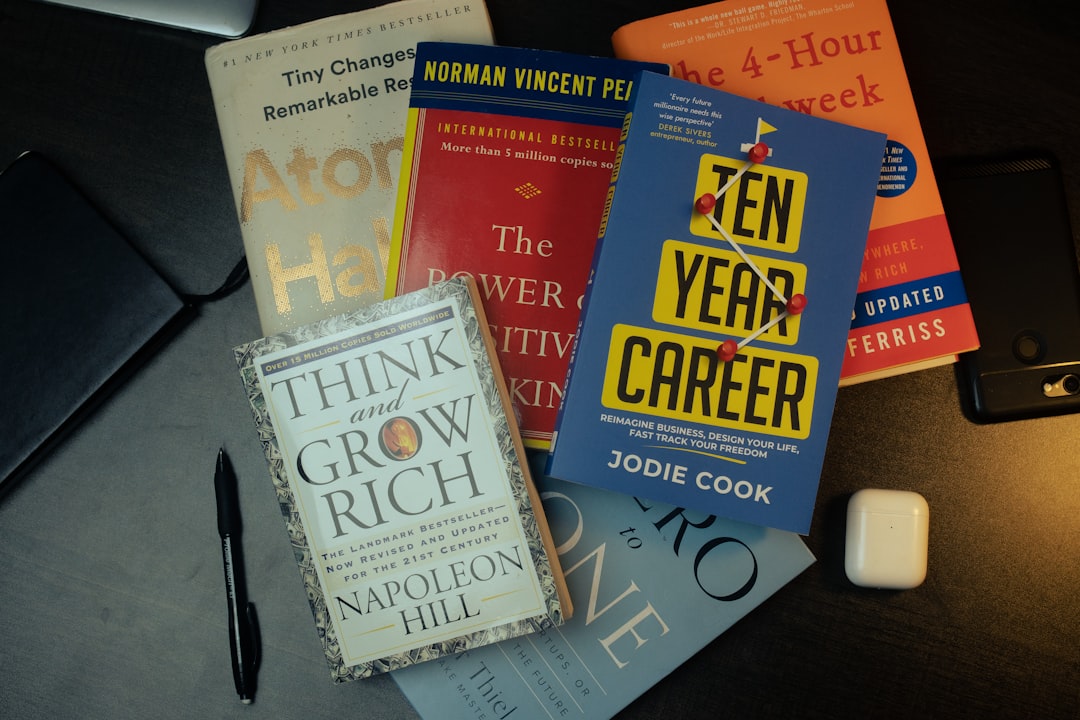
Photo by Jodie Cook on Unsplash
You trust the narrator. That's the deal we make when we open a book. They guide us through their world, and we believe them—until suddenly, we don't. The ground shifts. A detail you accepted as gospel three chapters ago becomes suspect. You flip back, reread, and realize the person telling this story has been lying to you the whole time. And somehow, that lie feels more true than the truth ever could.
The unreliable narrator has become one of fiction's most seductive devices. It's not new—Agatha Christie pulled it off in "Murder on the Orient Express," and before that, Henry James made readers question what they were seeing. But something shifted in recent decades. What was once a plot twist reserved for mysteries has become a fundamental approach to storytelling. Authors now treat unreliability like a character trait, weaving it so deeply into their narratives that readers don't just experience the story—they experience the vertigo of not knowing what's real.
Why We Crave the Deception
Here's the strange paradox: readers say they want honesty from their narrators, yet they flock to books built on systematic lies. Gillian Flynn's "Gone Girl" sold over 20 million copies. Paula Hawkins' "The Girl on the Train" became a worldwide phenomenon. Both books hinge almost entirely on narrators who are actively deceiving readers. These weren't niche literary experiments—they were mainstream sensations that kept readers awake at 2 AM, angrily flipping pages.
The reason is psychological. When a narrator is completely trustworthy, we settle into passivity. We absorb information. We let the story happen to us. But when we sense a lie lurking beneath the surface, something primitive wakes up in us. We become detectives. We start fact-checking. We question every sentence. That active engagement—that feeling of being in genuine danger of being fooled—creates an intensity that straightforward narration simply can't match.
There's also something deeply human about it. We don't live with reliable narrators in our actual lives. People lie. They misremember. They tell themselves stories about why they did terrible things, and they believe those stories completely. A fictional narrator who does the same thing mirrors a truth about human nature that pure honesty never could.
The Mechanics of a Convincing Liar
Writing an unreliable narrator isn't about making them obviously wrong. That's lazy. The best unreliable narrators are convincing. They have their reasons. They believe their own stories. They make narrative choices that feel perfectly reasonable until you understand what's actually happening.
Consider Nick Carraway in "The Great Gatsby." F. Scott Fitzgerald never writes Nick committing an obvious lie. Instead, Fitzgerald creates a narrator whose perspective is so shaped by class anxiety and romantic idealism that his observations become unreliable through their selectivity. He sees what he wants to see and omits what makes him uncomfortable. When Nick claims to be "inclined to reserve all judgments," readers tend to believe him—because Fitzgerald makes Nick believe it about himself.
Modern authors have gotten sophisticated about this. They use first-person narration to create false intimacy. They show vulnerability and self-awareness—"I know I'm damaged, but here's my honest take on what happened"—which makes readers lower their guard. Then comes the reveal, and suddenly that vulnerability was part of the manipulation. The narrator wasn't being honest; they were performing honesty.
The technical challenge is that readers have become savvier. They've read the articles about unreliable narrators. They've studied the trick. So contemporary authors have to go deeper, creating narrators whose unreliability stems from mental illness, trauma, or genuine confusion rather than deliberate deception. Sometimes the best unreliable narrators aren't even trying to lie—they're just broken in ways that distort everything they perceive.
When Unreliability Becomes the Point
The most interesting evolution is when authors stop treating unreliable narration as a plot device and start treating it as an exploration of consciousness itself. If writing a sequel means exploring how characters are haunted by their first stories, then exploring an unreliable narrator means accepting that consciousness itself is unreliable.
This is what authors like Carmen Maria Machado and Ocean Vuong are doing. Their narrators don't lie strategically; they experience reality through trauma, memory, and imagination in ways that make "truth" almost meaningless. When you read Vuong's "Night Sky with Exit Wounds," you're not trying to catch the narrator in a lie. You're trying to understand how someone survives, how they build meaning from fragments, how the stories they tell themselves become the only reality that matters.
That's a different kind of unreliability entirely. It's not about being deceived; it's about experiencing limitation. It's about understanding that everyone is unreliable because everyone experiences the world through the distorting lens of who they are.
The Reader's Responsibility
Here's what makes unreliable narration powerful: it gives readers actual work to do. You can't be passive. You can't just absorb the story. You have to interrogate it, doubt it, piece together what might actually be true beneath what you're being told. That's exhausting. It's also intoxicating.
Some readers hate this. They want their narrators honest and their stories straightforward. That's entirely fair. But for those of us who love being lied to, who enjoy the disorientation of discovering we've been manipulated, unreliable narration offers something that honest storytelling can't: the experience of being truly surprised by language. The experience of realizing you were wrong. The strange pleasure of being fooled brilliantly.
The unreliable narrator confession is this: the best lies in fiction are often more true than anything that actually happened. They're true to the human experience of doubt, confusion, and self-deception. They're true to how we actually live—never quite sure if the person we're listening to is telling the truth, including ourselves.
Comments (0)
No comments yet. Be the first to share your thoughts!
Sign in to join the conversation.