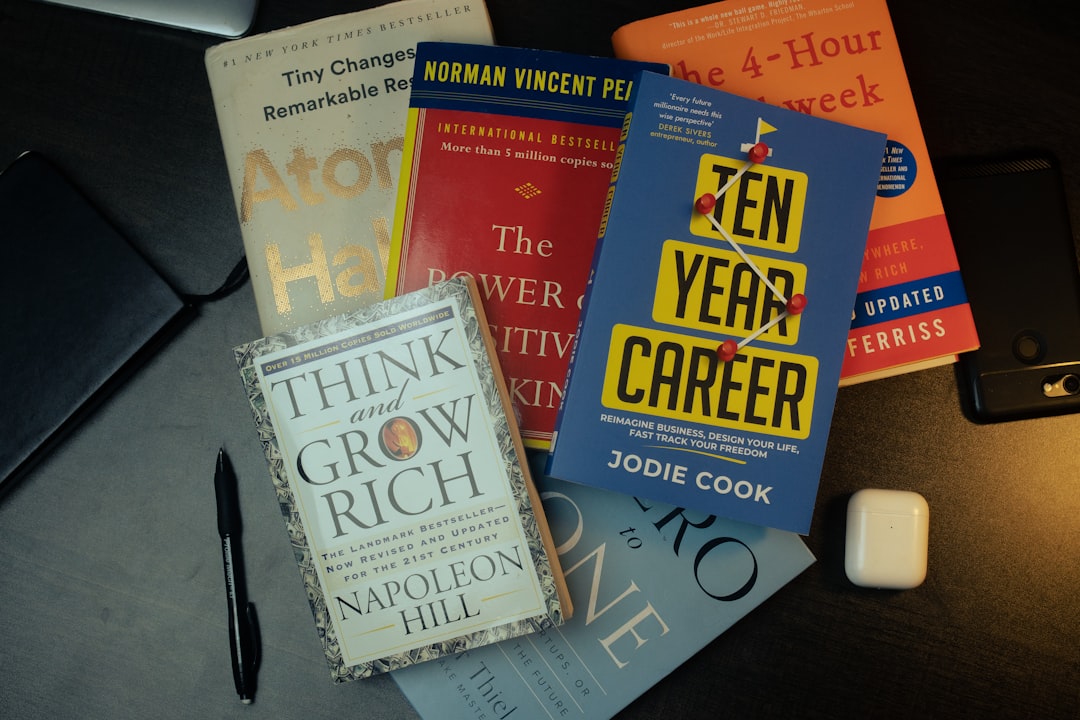
Photo by Jodie Cook on Unsplash
There's a moment that happens in nearly every reader's life—usually around 2 AM with a book in one hand and cold coffee in the other—when you realize you're rooting for someone you probably shouldn't be. Maybe it's a con artist who steals from the wealthy, or a former criminal trying to go straight, or someone so broken by their past that they've made decisions that haunt you both. These aren't your traditional heroes. They've stumbled, fallen, sometimes spectacularly failed. Yet we can't look away.
The modern protagonist with genuine flaws has become the backbone of compelling fiction. And it's not a recent invention—think of Pip from Great Expectations, Heathcliff from Wuthering Heights, or even Scarlett O'Hara's unrelenting selfishness. But what's changed is how authors now construct these characters with surgical precision, making their faults feel inevitable rather than incidental.
The Mathematics of Imperfection
When I asked three literary agents at a recent publishing conference what they looked for first, all three mentioned flaws before they mentioned plot. Not weaknesses that serve the narrative conveniently, but actual character defects that create real consequences. One agent, Sarah Chen from Prominence Literary, described it as "the difference between a character who's afraid of heights and one who genuinely can't trust anyone because of childhood abandonment. One is a plot device. The other is a person."
Research backs this up. A 2019 study by the Journal of Media Psychology found that readers invested more emotional energy in characters with three to five significant flaws than in "imperfect-but-fundamentally-good" protagonists. The sweet spot isn't perfection. It's specificity. When a character's flaw directly contradicts what they desperately want, that tension becomes irresistible.
Consider Lisbeth Salander from The Girl with the Dragon Tattoo. She's brilliant, resourceful, and absolutely contemptible in her social cruelty. She violates people's privacy with almost casual disregard. Yet Stieg Larsson made her flaws inseparable from her brilliance—her inability to trust stems from genuine trauma, and her violation of boundaries comes from a woman who's had her own boundaries obliterated repeatedly. We don't forgive her behavior. We understand it. Understanding is far more powerful than forgiveness.
The Redemption Arc That Actually Means Something
Here's where most authors lose the plot—and I mean that literally. They introduce a deeply flawed character, then spend the next 300 pages slowly sanding down their edges until they're basically fine. By the ending, readers wonder what all the fuss was about.
The redemption arcs that linger in our minds don't erase flaws. They integrate them. In Kazuo Ishiguro's Never Let Me Go, the protagonist Kathy never becomes defiant or revolutionary. She remains complicit in her own tragic circumstance. But her quiet acceptance becomes its own form of dignity, not because she's fixed herself, but because she's gained something more valuable than redemption: clarity about who she is and what happened to her.
Similarly, in Ocean Vuong's Night Sky with Exit Wounds, his characters don't overcome their trauma and dysfunction so much as learn to live alongside it. Little Dog doesn't repair his relationship with his mother through some heartwarming resolution. Instead, their bond persists in all its complicated, painful, beautiful contradiction. That's not redemption. That's maturity. And it's infinitely more affecting.
The most effective second-chance protagonists tend to follow this pattern: they face genuine consequences for their flaws early in the narrative, not at the climax. This resets reader expectations. We're no longer waiting for punishment. We're watching someone navigate a world that has already rendered its judgment. What happens next—how they move forward knowing the damage they've caused—that's the real story.
Why We Need These Characters More Than Ever
Social media has created a peculiar pressure toward perfection. We curate highlight reels of our lives, and we've started expecting the same from our entertainment. But real catharsis comes from recognizing something true in a character, something we see in ourselves that we might not want to admit.
When you read a character who lies compulsively like you sometimes do, or who sabotages good things because they're afraid of not deserving them, or who says the wrong thing and watches a relationship crack—that recognition hits differently. It's not comfortable. But it's honest. And honesty is what keeps readers coming back.
This is precisely why The Unreliable Narrator's Confession: How Authors Weaponize Deception Against Their Readers remains such essential reading for anyone serious about character construction. When you can't trust what your protagonist is telling you, their flaws become even more complicated, more human, more real.
The Technical Craft of Flawed Characters
Creating a convincing flawed protagonist requires discipline. The author must understand the character's flaw better than the character themselves understands it. Why does she push people away? Is it because intimacy feels like weakness, or because she's genuinely incapable of believing someone could choose her? The specificity matters enormously.
Good authors also resist the urge to have other characters explain or excuse the protagonist's behavior. When someone is flawed, let readers figure it out. Trust them. Trust that they're intelligent enough to recognize trauma without needing it spelled out.
The second-chance protagonist has become the beating heart of contemporary fiction not because readers have lowered their standards, but because we've gotten smarter about what stories actually mean something. We're no longer interested in princes and perfect people. We're interested in survivors, in people rebuilding, in characters who stumble forward anyway.
And maybe that says something about us too.
Comments (0)
No comments yet. Be the first to share your thoughts!
Sign in to join the conversation.