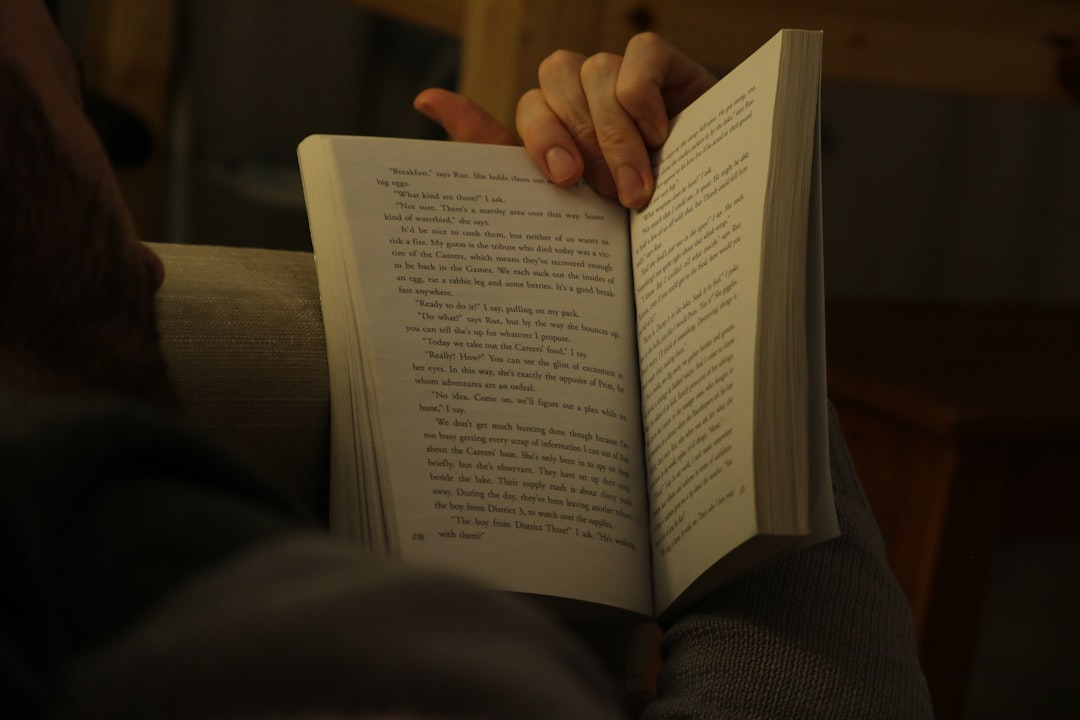
Photo by Alicia Christin Gerald on Unsplash
There's a particular ache in being the second-best friend in a novel. Not the best friend—that spot goes to whoever challenges the protagonist, completes their journey, or makes them laugh at exactly the right moments. No, the second-best friend occupies a strange middle territory. They care deeply. They show up. They're loyal to the point of self-erasure. And yet, they're perpetually watching from just outside the inner circle, wondering if anyone notices they're slowly disappearing.
This character archetype has haunted fiction for decades, yet few writers examine what actually happens inside that person's head. We see their devotion played for comedy or used as a plot device to drive the protagonist forward. We rarely sit with their loneliness. That's a massive oversight, because the second-best friend might be the most honest mirror of human relationships we have in literature.
Why They Exist: The Mathematics of Fictional Relationships
Let's be honest about the mechanics here. Every protagonist needs a social ecosystem. Studies on narrative structure show that primary characters typically maintain between two and four meaningful relationships without overwhelming readers. The "best friend" role serves a specific narrative function: they provide counsel, loyalty, and conflict when necessary. They're essential to plot and theme.
The second-best friend, though? They're supposedly the bonus. The added texture. In reality, they're the character who reveals what happens when depth isn't matched with spotlight. Consider Samwise Gamgee's relationship with Frodo in Tolkien's work. Sam isn't the second-best friend—he's arguably the true emotional center. But even Tolkien's masterwork relegates Sam to the position of supporter for large stretches, despite Sam being the character readers most viscerally understand.
When done well, that positioning creates something remarkable. When done carelessly—which is most of the time—it creates a character who reads like an emotional sinkhole, absorbing the protagonist's needs while their own quietly implode.
The Quiet Heartbreak: What Second-Best Friend Characters Actually Experience
Here's what the second-best friend endures that rarely makes it into the narrative: they watch someone they love deeply choose someone else. Not in a romantic sense necessarily, though sometimes. But in every meaningful sense. The best friend gets the vulnerable conversations. The best friend gets invited to the dangerous mission. The best friend gets to be surprised by the protagonist's big announcement because they're the first to know.
The second-best friend finds out later. Always later. They find out from context clues or accidentally. They learn to comfort themselves with crumbs of attention and convince themselves it's enough because it's something.
What makes this dynamic so potent in fiction is that it mirrors real life with unsettling accuracy. Most people have experienced being the second-best friend. That particular loneliness—where you're not disliked, you're just not chosen—is acute and specific. It's why readers gravitate toward these characters even when authors clearly don't intend for them to be the focus. We recognize ourselves.
Think of the supporting cast in Sally Rooney's novels. Her characters maintain sprawling networks of relationships where some people are undeniably more central than others. The emotional tax on those peripheral people is precisely rendered, even when they're not POV characters. Rooney understands that exclusion doesn't require malice to wound.
The Wasted Potential: What Happens When Writers Miss the Point
Most second-best friend characters are written with a fundamental misunderstanding about who they are. They're treated as static—eternally loyal, eternally patient, eternally fine with their station. This is where the archetype becomes genuinely frustrating.
Real second-best friends develop strategies. Some become funnier, thinking humor will make them unforgettable. Some become more helpful, grinding themselves down until they're indispensable. Some become resentful, and that resentment hardens into something that looks like indifference from the outside. Some eventually leave.
The tragedy is that many novels never examine these internal evolutions. The second-best friend remains a fixed point, circling the protagonist's narrative like a moon that doesn't quite have enough gravity to affect anything. They're kind background music in someone else's story.
Yet here's where the opportunity lies: when a writer actually maps the interior world of a second-best friend character, they're writing about ambition, self-worth, acceptance, and the subtle ways we negotiate our own value. That's rich terrain. That's the stuff of complex, memorable fiction.
Reimagining the Role: What Second-Best Friends Deserve
The best iterations of this archetype come when writers stop treating it as a supporting role and start treating it as an alternate perspective on the main action. Consider how different a story becomes when you realize the so-called best friend might actually be manipulative. How the protagonist's journey looks different when the second-best friend's loyalties are complicated by their own needs. How the entire emotional architecture shifts when you realize the person everyone's overlooking might actually see the most clearly.
This is why unreliable narration can transform a second-best friend into something extraordinary. Suddenly, we're questioning whether the hierarchy we've been shown is accurate. We're considering that the person in the shadows might have chosen to stand there, or might be standing there for reasons we haven't yet understood. If you want to explore more about how narrative perspective can shift reader understanding, The Unreliable Narrator's Cruel Trick explains how readers can be wonderfully manipulated through perspective.
The second-best friend deserves a story where their existence isn't measured in utility. Where their loyalty is questioned, examined, and sometimes rejected. Where they experience growth that has nothing to do with serving someone else's arc. Where their quiet heartbreak gets its moment of honest recognition.
The Final Truth
Maybe the real question isn't why second-best friends are underrated in fiction. It's why we're comfortable keeping them there. Why readers don't demand better for these characters. Why writers continue to write them as sentient props in someone else's story.
The answer is probably that we're all comfortable with our own second-best friend experiences. We've made peace with it in ways that feel unhealthy when we examine them in fiction. But that discomfort is exactly why these characters matter. They're asking us to reckon with something we've settled for in reality.
Comments (0)
No comments yet. Be the first to share your thoughts!
Sign in to join the conversation.